Key Takeaways
- NFTs are unique digital certificates recorded on a blockchain that can show who controls a specific asset.
- Unlike cryptocurrencies such as Bitcoin, NFTs are “non‑fungible”, which means no two are exactly alike.
- Beyond digital art, NFTs are being explored for use with real‑world assets, gaming items and identity‑related records, although many of these uses are still experimental.
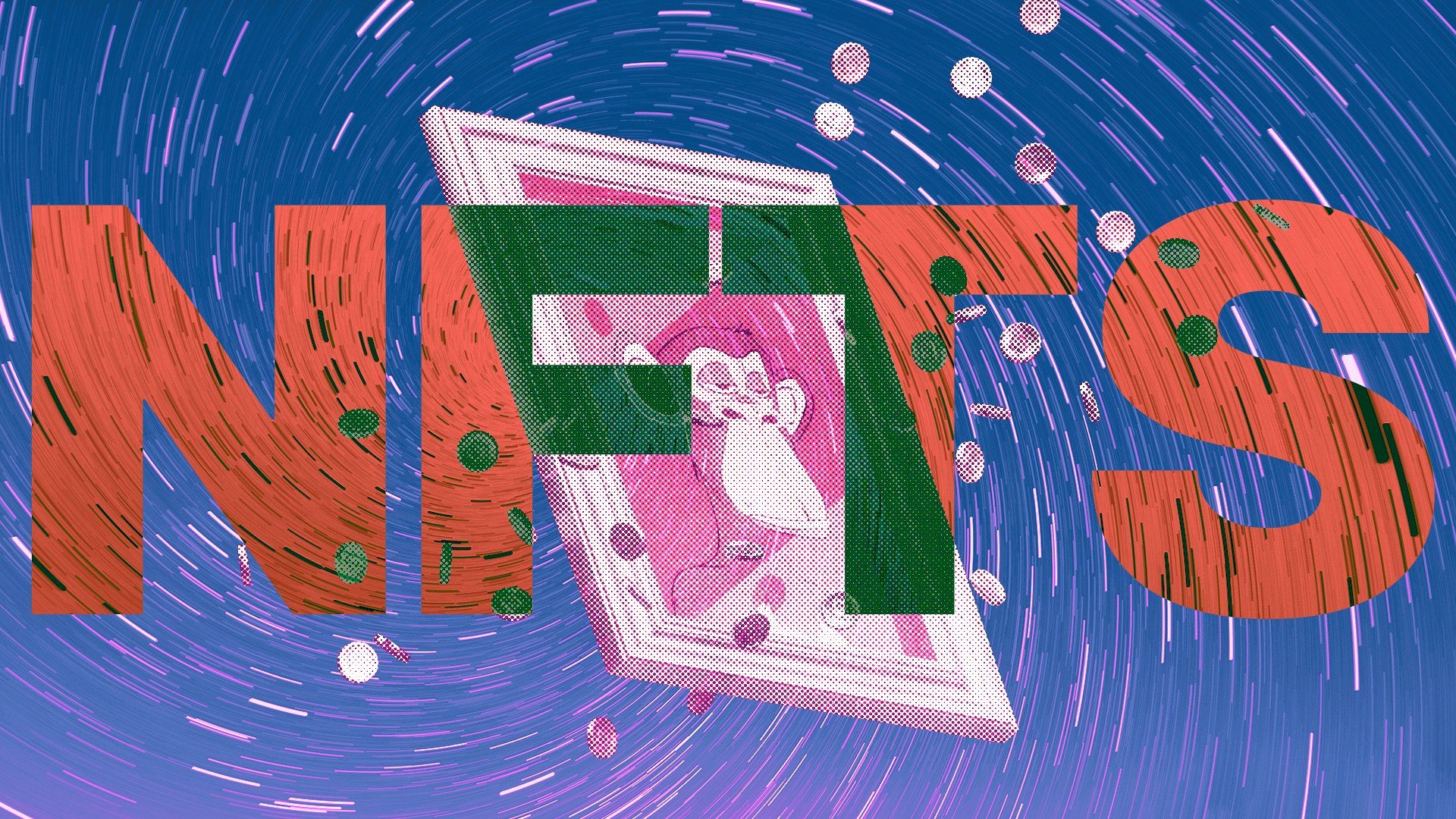
You might have seen headlines about digital pictures selling for the price of a luxury house, or brands launching “digital collectibles”. It can be hard to understand why a computer file might be considered valuable, or how anyone can prove that they own it.
To make sense of NFTs, it helps to look past short‑term hype and focus on what the technology actually does and, just as importantly, what it does not do.
Defining “Non‑Fungible”
To understand what an NFT is, it helps to start with the idea of fungibility.
Money is a fungible asset. If you lend someone £10, you do not need the exact same note back. Any other £10 note, or two £5 notes, will do because they all have the same value. In a similar way, one Bitcoin is effectively interchangeable with another Bitcoin.
A non‑fungible asset is different. It is unique, or at least treated as unique, so it cannot simply be swapped on a like‑for‑like basis.
- Physical example: A signed first‑edition book. Another copy of the same title might exist, but the signed first edition has different qualities and may have a different value.
- Digital example: An NFT. Even if two images look identical, the token associated with each one on the blockchain is different.
An NFT is essentially a digital certificate of ownership or authenticity. It is a unique entry on a blockchain that can be used to show who controls a particular digital item or, in some cases, a physical item.
However, owning an NFT does not always mean you own the copyright or full legal rights to the underlying work. What you actually get depends on the terms set by the creator or platform, which you should always check carefully.
How do NFTs work?
NFTs use smart contracts, which are programs stored and run on a blockchain. Ethereum is currently the most widely used network for NFTs, although other blockchains such as Solana and Bitcoin (through a system called Ordinals) also support NFT‑like assets.
When an NFT is created, a process known as “minting”, a unique token is generated and written to the blockchain. That token includes metadata, which can contain details such as:
- the creator or artist’s name
- a link to the file
- attributes such as edition number, traits or collection name
Because this record sits on a distributed ledger:
- It is verifiable. Anyone can view the blockchain and see which address currently controls a given NFT. However, wallet addresses are usually pseudonymous, so this does not on its own prove a real‑world identity.
- It is typically indivisible. Traditionally, you either owned the token or you did not. Some projects now experiment with “fractionalising” NFTs, although this adds complexity and extra risks.
- It is portable within that ecosystem. In many cases, you can move NFTs between compatible wallets and marketplaces that support the same standard. Cross‑chain movement is more limited and often relies on third‑party bridges, which can carry security risks.
The blockchain helps provide a transparent record of transfers, but it does not guarantee that the content linked to the NFT will always be available or that the project will continue to exist.
Real‑life examples
NFTs started out mainly in digital art circles but the concept is being tested in a wider range of areas. Many of these uses are still developing and there is no guarantee they will succeed or hold value.
-
Digital art and collectibles
Artists can mint artworks as NFTs and sell them directly to collectors. Some smart contracts are set up so that the original creator can receive a royalty when the NFT is resold on certain marketplaces.
This can help artists reach a global audience, but it also exposes both artists and buyers to price swings, scams and changing platform rules. High past sale prices are not a reliable guide to future demand.
-
Gaming items
In many traditional games, you might buy a cosmetic “skin” or an in‑game weapon, but the game company remains in full control. If the servers shut down, your items usually disappear with them.
With NFTs, game items can be recorded on a blockchain. In theory, this allows players to hold those items in their own wallet and trade them through supported marketplaces. In practice, your ability to use an item in a game still depends on the game developer, and there is no guarantee another game will support those items in future.
-
Digital identity‑type uses
Some projects are experimenting with “soulbound” or similar non‑transferable tokens to represent things like university degrees, membership credentials or medical‑related records.
These ideas are mostly in early stages. They raise important questions around privacy, data protection and what happens if information is recorded incorrectly. You should be cautious about sharing any sensitive personal data in connection with such projects.
-
Real‑world assets (RWA)
There is growing interest in using NFTs to represent ownership claims over real‑world items such as luxury goods or property‑related interests.
For example, a watch or a share in a property‑holding structure might be “tokenised” so that transfers can be recorded on a blockchain. However, legal ownership of real‑world assets still depends on local law and contracts, not just on what the blockchain says. You should always understand the legal framework and counterparties involved, as well as how you can enforce your rights if something goes wrong.
Risks and red flags
NFTs combine new technology with speculative trading and are high risk. Prices can move sharply in a short period, and you may be unable to sell at a price you consider fair, or at all.
Here are some key risks to be aware of.
-
Market volatility
NFT prices are highly speculative and driven by sentiment. A digital collectible that is popular today might lose most or all of its value if interest moves on, the community loses momentum or the wider crypto market falls.
There is no guarantee that an NFT you buy will ever be worth more than you paid. You should only spend money you can afford to lose entirely.
-
Storage and “link rot”
The NFT itself is a token on a blockchain. The image, audio or other content it refers to is often stored elsewhere, for example on a centralised server or on a decentralised file system such as IPFS.
If that external storage is not maintained correctly, or if a provider shuts down, you might be left with a token that points to a broken or changed link. Some projects try to reduce this risk, but there is no absolute protection.
-
Scams, fakes and imitations
Anyone can mint an NFT, which makes it easy for bad actors to copy popular collections or artworks and list them as their own. Phishing attacks, fake websites and social media impersonation are also common.
Always check contract addresses, official project links and the history of previous transactions. Be extra careful before signing messages or approving transactions in your wallet, because these can sometimes be used to drain your assets.
-
Liquidity and resale risk
Unlike widely traded cryptocurrencies such as Bitcoin or Ether, each NFT is unique. Selling usually requires finding a buyer who wants that specific token.
This process can take time, and in some cases there may be no willing buyers at the price you hope for. Marketplace fees, creator royalties (where applied) and network costs can also reduce your net proceeds.
-
Technology and platform risk
NFTs depend on blockchains, marketplaces and wallets that are built and run by third parties. Bugs, hacks, network congestion or changes to platform rules can all affect your ability to view, move or sell your NFTs.
If you self‑custody NFTs in your own wallet, you are responsible for keeping your recovery phrase and keys safe. If you lose them, you will usually lose access to your assets permanently.
The future of NFTs
The NFT market has already moved through periods of strong excitement and steep declines. Early “profile picture” projects drew a lot of attention, but many have since fallen sharply in price.
More recently, developers have started to explore uses that focus on functionality rather than pure collectability. Examples include:
- Dynamic NFTs, which can change certain metadata over time. For instance, a digital sports card might update with new statistics as an athlete’s performance changes.
- Token‑bound accounts, where an NFT can act as a type of on‑chain account that can itself hold other tokens or interact with applications.
It is still unclear which of these experiments will last. Regulation of cryptoassets, including certain types of NFTs, is also evolving in the UK and in other countries, which could affect how they are issued, traded or used.
Over time, NFT‑style technology may be used behind the scenes for things like tickets, memberships or records of ownership, in a way that most people do not directly notice. That does not remove the risks around investing in NFTs as assets. Anyone considering buying NFTs should treat them as high‑risk and speculative and should not rely on being able to sell them later.
CoinJar
CoinJar is one of the longest-running cryptocurrency exchanges in the world. Since 2013, we’ve helped hundreds of thousands of people worldwide to buy, sell and spend billions of dollars in Bitcoin, Ethereum and dozens of other cryptocurrencies.
Read full bio