
Buy Rocket Pool
RPLPast performance is not indicative of future results. All prices are sourced from CoinJar Indices.
What is Rocket Pool?
Rocket Pool is a decentralized Ethereum staking protocol. People who want staking exposure without running a validator can deposit ETH and receive rETH, a liquid token whose value reflects the ETH and rewards backing it. People who do run validators can use Rocket Pool to combine their own ETH with ETH supplied by rETH holders.
RPL is Rocket Pool's protocol and governance token. It is not the token people receive for staking ETH, and it is no longer required to become a Rocket Pool node operator. That last point changed the investment case materially. RPL began as mandatory collateral for operators, but its role is now optional revenue participation and governance while a wider tokenomics overhaul remains unfinished. Our guide to Ethereum covers the network Rocket Pool secures, and our guide to crypto staking explains the wider process.
Where did Rocket Pool come from?
Australian developer David Rugendyke began work on Rocket Pool in late 2016, before Ethereum staking existed. The project held its token sale in 2017 but did not launch on Ethereum mainnet until 9 November 2021, after several years of development and audits.
Rocket Pool was built around permissionless operation. A company does not choose who is allowed to run its validators. Anyone who meets the technical and financial requirements can join, while the protocol's contracts pool their ETH with deposits from rETH holders.
RPL launched with an initial supply of 18 million tokens. It does not have a maximum supply. New RPL is issued under an inflation schedule controlled through protocol governance.
How Rocket Pool works
There are two distinct sides to the protocol.
Liquid stakers. A person deposits ETH and receives rETH. The amount of ETH backing each rETH increases as validators earn rewards, after fees and any losses. Because rETH is transferable, it can be held, traded or used in decentralized finance without waiting for the underlying validators to exit.
Node operators. An operator supplies part of the ETH required for each validator and runs the hardware and software. Rocket Pool supplies the rest from its deposit pool. The operator receives normal Ethereum validator rewards plus a share of the revenue generated by the pooled ETH.
The contracts sit between the two groups. They allocate deposits, account for rewards, manage operator bonds and process withdrawals. Rocket Pool does not remove the technical risks of staking. It redistributes them through code and economic incentives.
What changed with Saturn 0 and Saturn 1?
Rocket Pool's Saturn program is a substantial redesign rather than a routine software update.
Saturn 0, October 2024. New operators were allowed to create ETH-only validators without posting RPL collateral. This removed the token's original compulsory use.
Saturn 1, February 2026. Rocket Pool introduced megapools, which let one operator contract manage many validators rather than creating a separate minipool contract for each one. The operator bond fell to 4 ETH per validator, with the protocol supplying the other 28 ETH. Legacy minipools can continue operating, but they must migrate to use the new system.
Saturn 1 also introduced an adjustable revenue split. At launch, protocol ETH revenue was divided between a base operator share, a voter share for eligible RPL staked through megapools and the remainder for rETH holders. Those percentages are governance parameters, not permanent entitlements.
The official Saturn 1 documentation explains the live design. Older pages describing an 8 ETH bond, mandatory RPL collateral or one minipool per validator are now out of date.
What does RPL do now?
RPL has three practical or intended functions.
Governance. Rocket Pool node operators who stake RPL can vote in the Protocol DAO or delegate their voting power. Governance can change protocol settings, approve spending and shape upgrades.
Optional revenue participation. A node operator can stake RPL through a megapool and become eligible for a share of protocol ETH revenue. The return is variable and depends on governance parameters, the operator's validators, the amount of eligible RPL and protocol activity.
Transitional issuance rewards. Newly issued RPL continues to be distributed under the current inflation system. Saturn 1 expanded eligibility to all RPL staked through the relevant node structure, without the old minimum collateral ratio.
What RPL does not do is equally important. It is not required to deposit ETH and receive rETH. It is not required to run a Saturn 1 validator. It does not secure Ethereum directly, and owning it does not entitle you to Rocket Pool revenue unless you take the specific steps required by the protocol.
What is planned for Saturn 2?
Saturn 2 is not live. In August 2026 Rocket Pool published an indicative roadmap targeting development networks from late 2026, audits and testnet deployment in 2027, and mainnet in May 2027. The team explicitly described those dates as estimates.
The proposed scope includes lowering the operator bond further, protecting rETH holders from underperforming validators, improving forced exits and withdrawal liquidity, and reducing RPL inflation. The wider tokenomics proposal described a reduction in annual RPL inflation from 5 percent to 1.5 percent and an end to issuance rewards for node operators, but implementation and final governance approval remain ahead.
A burn or a mechanism that buys RPL and adds it to a liquidity pool has also been discussed. Both were deferred from the focused Saturn 2 scope. Neither is operating today, and there is no current buyback or burn that a holder can rely on.
The 2024 tokenomics proposal is useful background, but it mixes changes that are already live with later stages that remain proposals. Treating the whole document as current functionality would be a mistake.
How are Rocket Pool's withdrawals funded?
An rETH holder has two possible routes out. They can sell rETH on a decentralized exchange, where the price depends on available market liquidity, or redeem it through Rocket Pool when the protocol has enough ETH available.
Saturn 1 added a withdrawal buffer. A portion of incoming ETH is held back to meet redemptions rather than being sent immediately to validators. This improves liquidity but does not guarantee an instant withdrawal. If the buffer is insufficient, the protocol may need validators to exit, and the timing then depends on Rocket Pool's queue and Ethereum's own exit process.
A market sale is not the same as redemption. During stress, rETH can trade below the value of the ETH backing it if sellers want out faster than arbitrageurs or the protocol can supply ETH.
Who controls Rocket Pool?
The Protocol DAO is made up of node operators with eligible RPL stake. It votes on settings, budgets and protocol changes, and voting power can be delegated.
The Oracle DAO is a smaller, permissioned group of established Ethereum organizations. It reports information that the contracts cannot observe directly and performs operational duties. Members are admitted rather than open to anyone, which makes it a necessary but more centralized part of the design.
A Security Council can pause certain deposits or movements of funds during an emergency. Its stated powers do not include withholding ordinary withdrawals or rewriting contracts at will, but the ability of a limited group to intervene remains a trust assumption.
Development is still carried out by a core team associated with the project. Onchain voting does not mean every operational or software decision is made directly by token holders.
Security and regulatory history
Rocket Pool publishes a long list of audits and maintains a bug bounty. Saturn 1 was reviewed by several security firms before launch, and no direct Rocket Pool contract exploit resulting in a reported loss was identified in the project's public security record at the time of writing. Audits reduce risk rather than remove it. The protocol's security page lists the current reviews.
Regulation has touched the ecosystem through rETH. In June 2024 the United States Securities and Exchange Commission sued Consensys, alleging among other things that MetaMask's service offered and sold unregistered securities through the liquid staking programs of Lido and Rocket Pool. The parties agreed in 2025 to dismiss the case, subject to approval, without establishing that rETH or RPL was a security.
A joint interpretation published by the United States Securities and Exchange Commission and Commodity Futures Trading Commission on 17 March 2026 named certain crypto assets as digital commodities. RPL was not among those named. That is not a finding against RPL. It means the asset was not addressed either way.
What are the risks of holding RPL?
Utility has weakened. Node operators once had to buy and stake RPL. Since Saturn 0 they can operate with ETH alone, removing the token's clearest source of compulsory demand. Tokenomics are unfinished. Lower inflation and new value capture mechanisms are proposals tied to future upgrades. They can be delayed, changed or rejected. No automatic revenue right. Simply holding RPL pays nothing. Native ETH revenue participation requires eligible staking through a node operator structure and remains subject to governance parameters. Inflation. RPL is not hard capped. New tokens continue to be issued, and the proposed lower rate is not yet live. rETH liquidity and price risk. The investment case for the protocol depends on rETH. During market stress it can trade below its backing if redemptions or market liquidity cannot meet sellers quickly enough. Ethereum staking risk. Validators can lose rewards or be penalized for downtime or misconduct. Protocol mechanisms can distribute losses but cannot make them impossible. Smart contract and upgrade risk. Rocket Pool depends on complex, upgradeable contracts, price information and withdrawal machinery. A flaw can affect pooled ETH and rETH. Governance concentration. Voting requires eligible RPL connected to node operations, while specialized councils hold important operational and emergency powers. Competition. Rocket Pool competes with solo staking, centralized staking providers and liquid staking protocols including Lido. Better economics elsewhere can reduce deposits and operator interest. Technical barrier. Native RPL revenue participation is not a simple retail staking product. It is tied to operating Ethereum infrastructure, which requires capital, equipment and expertise. Liquidity. RPL trades thinly compared with major assets, which can widen spreads and increase the cost of getting out. Volatility. RPL is not a stablecoin. Its value moves sharply and can fall substantially. No consumer protection. Crypto assets held on a trading platform are not bank deposits. RPL is not covered by FDIC deposit insurance or by SIPC protection. You should be prepared to lose the money you put in.
Buying RPL with US dollars on CoinJar
CoinJar has operated since 2013 and lists RPL against US dollars, so you can buy, sell and hold it without converting through another cryptocurrency first. Current charges are on our fees page, and live US dollar rates are on our cryptocurrency prices page.
CoinJar, Inc. is registered with FinCEN as a money services business, NMLS ID 2492913, and holds money transmitter licenses in a growing number of states. You can check whether CoinJar operates in your state before signing up.
How is RPL taxed in the United States?
The IRS treats digital assets such as RPL as property. A taxable disposal can occur when you sell it for US dollars, trade it for another cryptocurrency, spend it or give it away.
The IRS sets out its approach on its digital assets page. Our guide to reporting your transaction history explains how to get the records you need. This is general information, not tax advice. Consider speaking to a qualified tax adviser about your circumstances.
Fund Your Account Your Way
Buy Rocket Pool instantly using Visa or Mastercard, or deposit Australian dollars via bank transfer, PayID or PayPal. Buy, sell and convert between supported cryptocurrencies through your CoinJar account.


How to buy Rocket Pool with CoinJar
Start your portfolio with Australia's longest-running crypto exchange with these simple steps.
Sign up to CoinJar
Get the CoinJar app on iOS or Android, create an account and verify your ID.
Deposit funds
Deposit AUD fee-free via PayID, Osko or bank transfer. You can also use PayPal or pay instantly by card.
Buy your first crypto
Buy Rocket Pool and other popular cryptos using cash or credit card in minutes.




CoinJar Card
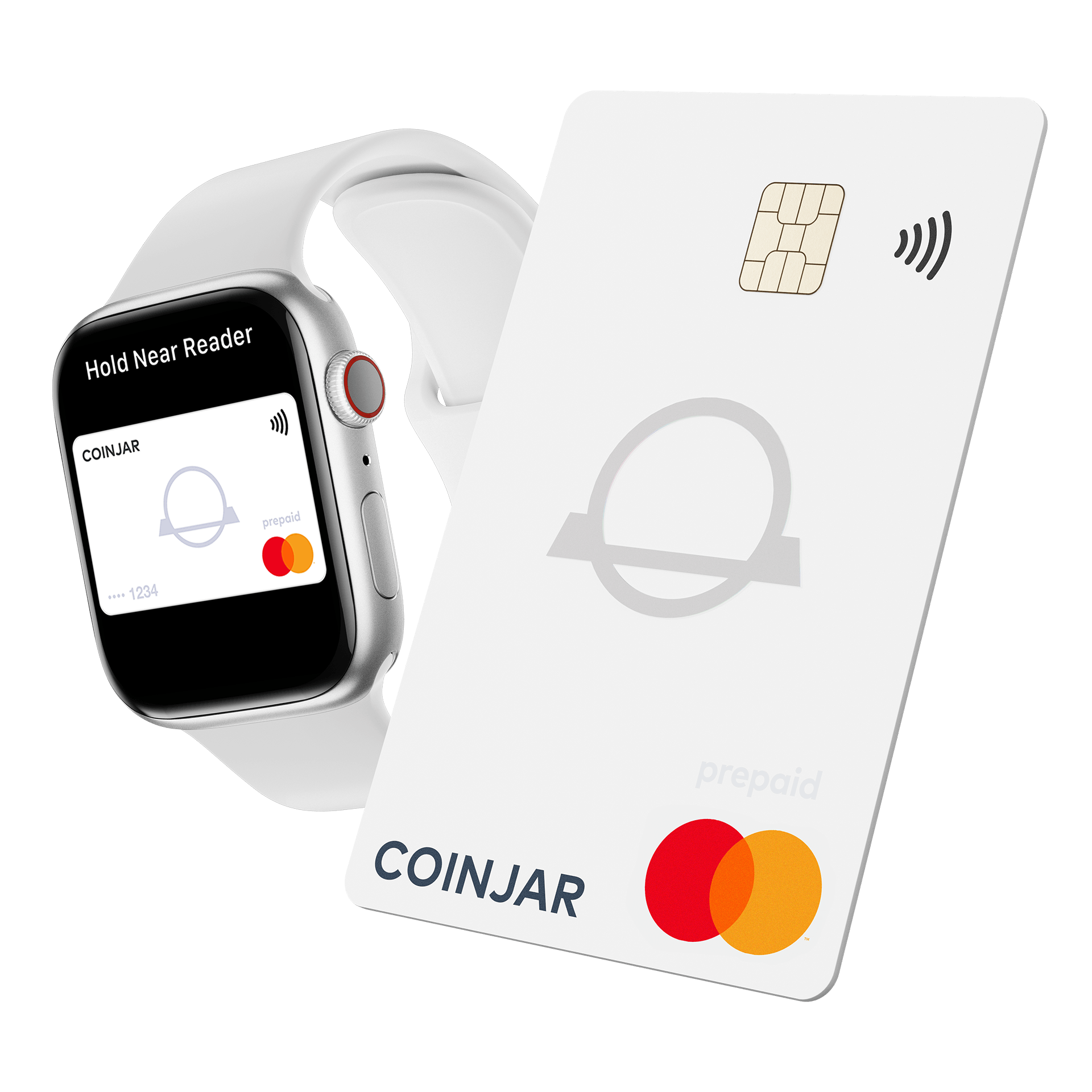
Use CoinJar Card, powered by Mastercard, for purchases online and in store, including through Apple Pay and Google Pay. No setup or monthly fee. A 1% purchase fee applies and is returned as CoinJar Rewards points, with one point earned per $1 spent. Available in Australia only.
Get your CoinJar Card for freeCoinJar Card
Use CoinJar Card, powered by Mastercard, for purchases online and in store, including through Apple Pay and Google Pay. No setup or monthly fee. A 1% purchase fee applies and is returned as CoinJar Rewards points, with one point earned per $1 spent. Available in Australia only.
Get your CoinJar Card for free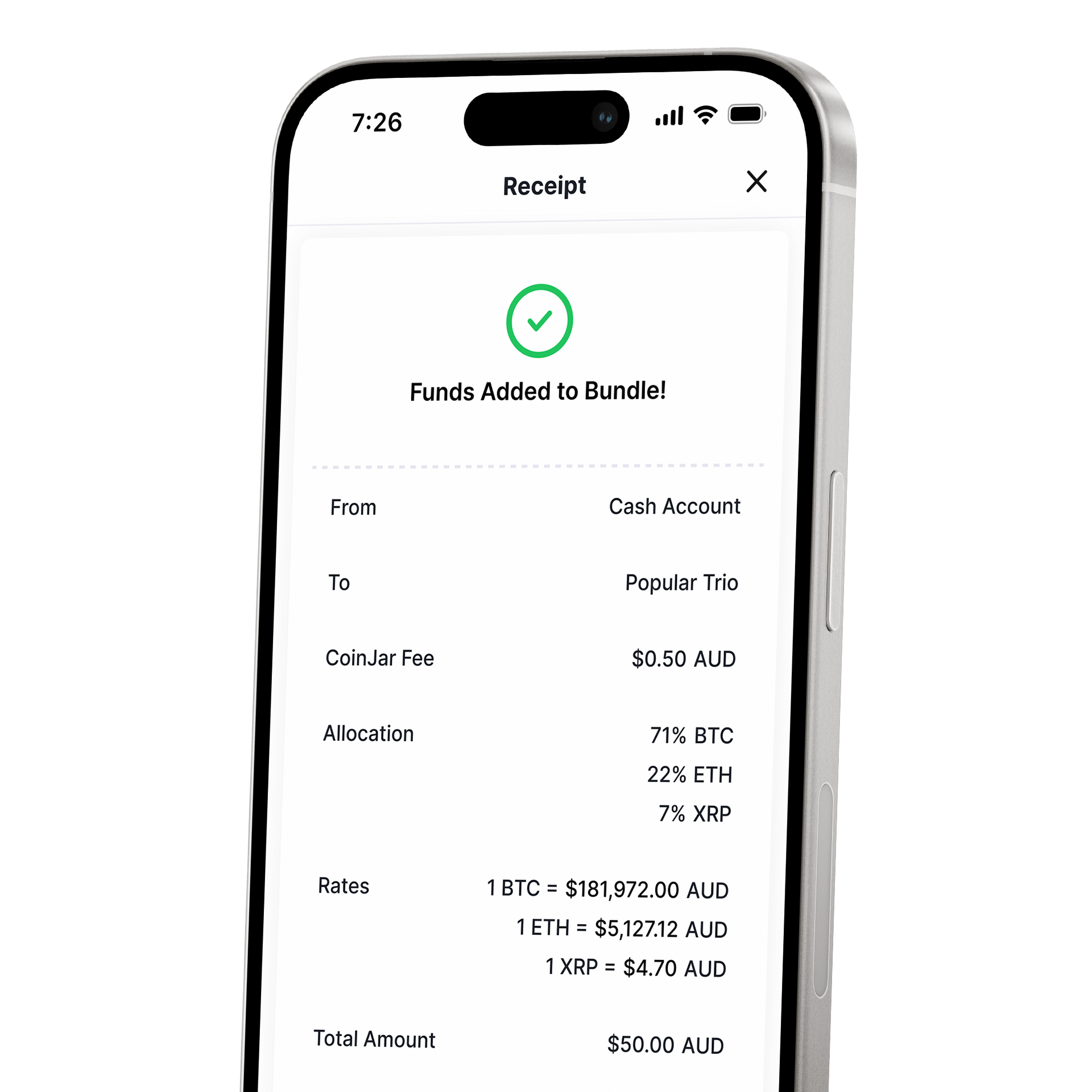
CoinJar Recurring Buy
Schedule automatic purchases weekly, fortnightly or monthly to dollar-cost average into individual cryptocurrencies or CoinJar Bundles. Manage your investment amount and schedule, with the flexibility to adjust or pause purchases as your circumstances change.
DCA with Recurring BuyCoinJar Recurring Buy
Schedule automatic purchases weekly, fortnightly or monthly to dollar-cost average into individual cryptocurrencies or CoinJar Bundles. Manage your investment amount and schedule, with the flexibility to adjust or pause purchases as your circumstances change.
DCA with Recurring Buy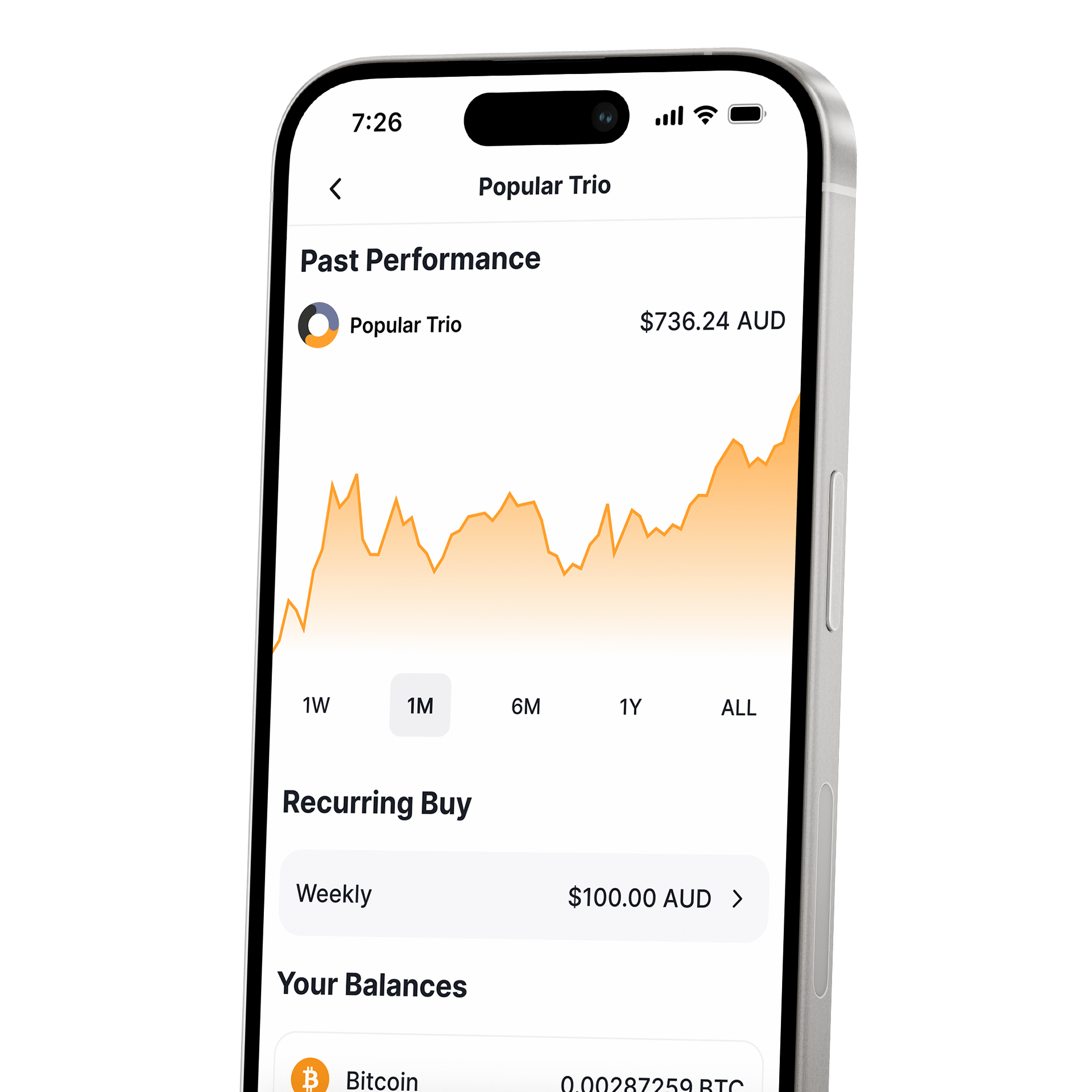
CoinJar Bundles
Pick your Bundle in the CoinJar app. Review each Bundle’s asset allocation, add to your holdings and rebalance when required. Sell your Bundle or unbundle it to manage the assets individually.
Learn moreCoinJar Bundles
Pick your Bundle in the CoinJar app. Review each Bundle’s asset allocation, add to your holdings and rebalance when required. Sell your Bundle or unbundle it to manage the assets individually.
Learn more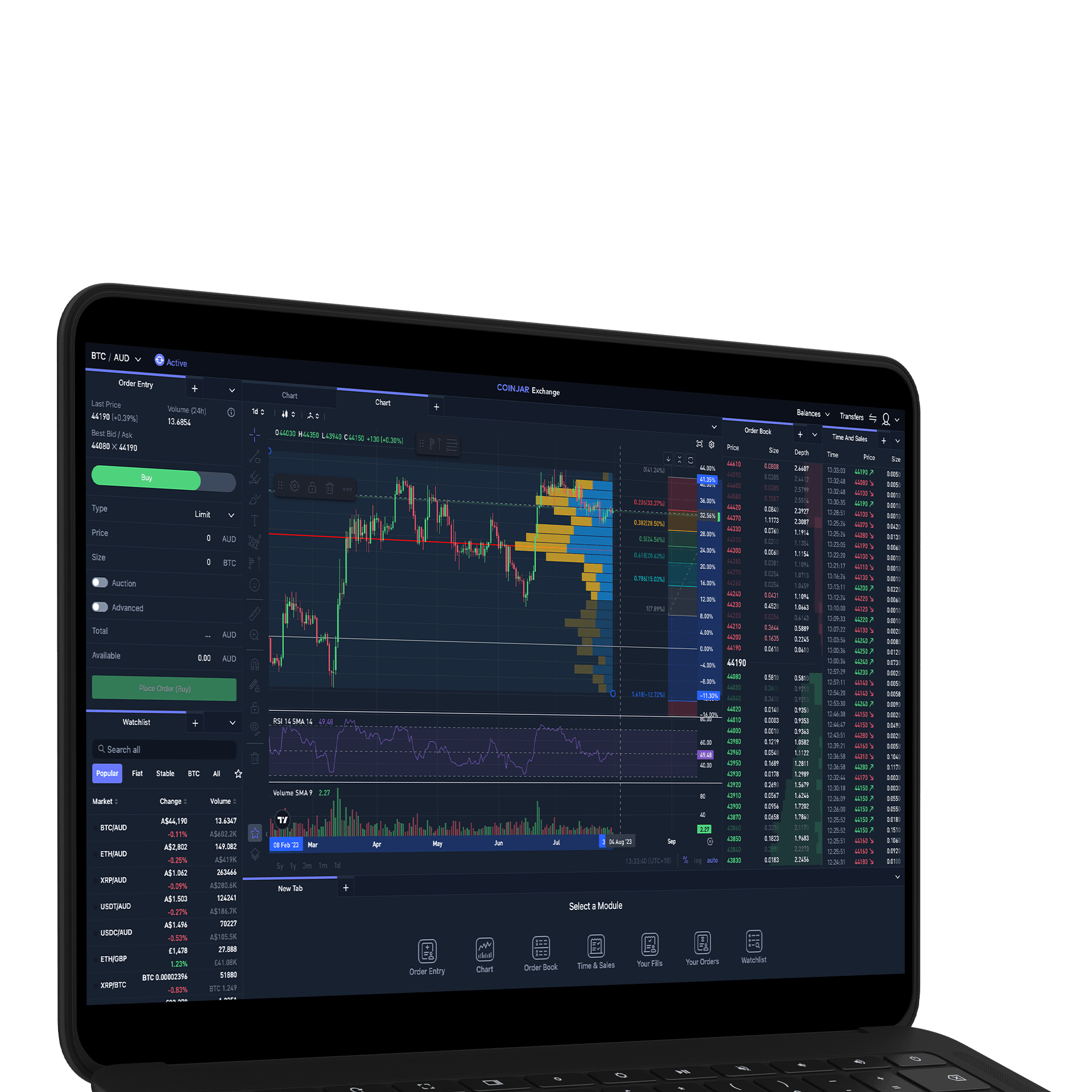
CoinJar Exchange
Trade with fees from 0-0.1%, using market, limit and stop-limit orders. Connect to TradingView to trade directly from your charts, or use CoinJar Exchange’s high-performance interface, built for active traders, market makers and institutions.
Explore CoinJar ExchangeCoinJar Exchange
Trade with fees from 0-0.1%, using market, limit and stop-limit orders. Connect to TradingView to trade directly from your charts, or use CoinJar Exchange’s high-performance interface, built for active traders, market makers and institutions.
Explore CoinJar Exchange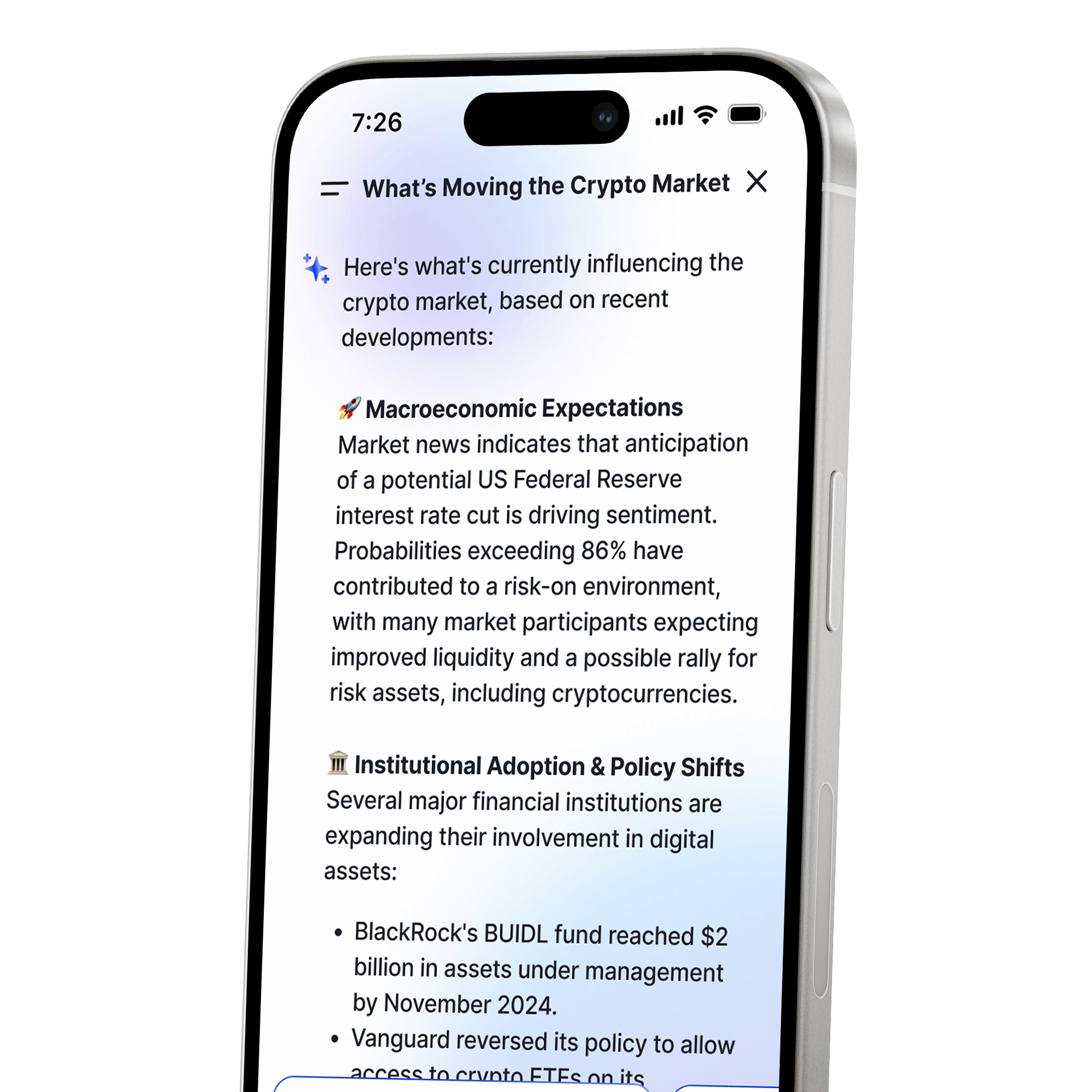
CoinJar AI
Access information about your holdings and the wider cryptocurrency market through CoinJar AI. Ask questions about portfolio changes, market developments or individual cryptocurrencies, with responses informed by your CoinJar holdings.
Learn moreCoinJar AI
Access information about your holdings and the wider cryptocurrency market through CoinJar AI. Ask questions about portfolio changes, market developments or individual cryptocurrencies, with responses informed by your CoinJar holdings.
Learn more
CoinJar OTC
For cryptocurrency trades above $50,000, CoinJar’s OTC desk provides personalised service and access to globally sourced liquidity. Work directly with a dedicated team to arrange and execute your purchase or sale. Discover OTC Services
Learn moreCoinJar OTC
For cryptocurrency trades above $50,000, CoinJar’s OTC desk provides personalised service and access to globally sourced liquidity. Work directly with a dedicated team to arrange and execute your purchase or sale. Discover OTC Services
Learn moreCoinJar does not endorse the content of, and cannot guarantee or verify the safety of any third-party websites. Visit these websites at your own risk.

CoinJar
Get the app.