
Buy Shiba Inu
SHIBFigures shown refer to the past. Past performance is not a reliable indicator of future results. Pricing data is provided by CoinJar.
What is Shiba Inu?
Shiba Inu is a memecoin: a cryptocurrency built around an internet joke and a community rather than around a product, a business or a cash flow. SHIB is its token, and it runs as an ERC-20 token on Ethereum rather than on a blockchain of its own.
That is the honest starting point, and it matters more than anything else on this page. Memecoins are among the most volatile assets in a volatile market, and their value depends almost entirely on attention. Our guide to memecoins explains the category, and our guide to Ethereum covers the network SHIB actually lives on.
Where did Shiba Inu come from?
SHIB launched in August 2020, created by a pseudonymous founder or group known only as Ryoshi, who described the project as an experiment in spontaneous community building. A quadrillion tokens were created at the start, and roughly half of them were sent, unsolicited, to Ethereum co-founder Vitalik Buterin.
That decision shaped the asset. In May 2021 Buterin burned the large majority of the tokens he had been sent by moving them to an address nobody can spend from, and donated much of the remainder to a COVID-19 relief fund in India. It remains by far the largest reduction in SHIB's supply, and it happened because of one person's choice rather than anything in the code.
Ryoshi walked away in 2022, deleting their posts and writing that the project did not need them. Leadership since has stayed pseudonymous, with a figure known as Shytoshi Kusama at the front of the project before stepping back from the lead role in 2025, and a small development team carrying the work. There is no company behind SHIB in the way there is behind a listed technology stock, and no board or regulator that the project answers to for its decisions.
What is SHIB, technically?
Stripped of the branding, SHIB is a simple token contract on Ethereum.
It is an ERC-20 token. SHIB transactions are Ethereum transactions, confirmed by Ethereum validators, with fees paid in ETH rather than in SHIB. Its supply is fixed and can only fall. The full supply was created at launch and there is no protocol mechanism that produces more. Burns can reduce it. Nothing can add to it. It carries no rights and pays nothing. Holding SHIB does not entitle you to revenue, dividends, interest or a claim on any asset. There is no protocol income distributed to holders. It is not a governance token for Ethereum or for its own chain. SHIB has no consensus role at all.
What is Shibarium?
Shibarium is a separate blockchain built by the Shiba Inu team, and it is where most of the project's development effort has gone. It is a layer two network that settles to Ethereum, is compatible with the Ethereum Virtual Machine, and uses a proof of stake validator set modelled on Polygon's design, with validators periodically posting checkpoints to Ethereum. Our guide to blockchain layers explains how layer twos relate to the networks beneath them.
Two things about it are commonly misunderstood.
Shibarium does not make SHIB a layer one asset. SHIB remains an ERC-20 token on Ethereum. The token used to pay for transactions and to stake on Shibarium is BONE, not SHIB.
Its security rests on its validators, not on mathematics. Shibarium does not use validity proofs or fraud proofs to guarantee that what its validators submit to Ethereum is correct. The validator set is small, and control of a supermajority of it is effectively control of the bridge. Independent research site L2BEAT documents those trust assumptions.
Its record reflects that. Shibarium's mainnet launch in August 2023 stalled within a day under transaction load, with funds stuck in its bridge for a period before the network was restarted. In September 2025 the bridge was exploited: an attacker gained control of most of the validator signing keys, used a large flash loan of BONE to push voting power past the network's approval threshold, and signed fraudulent checkpoints to withdraw assets. Several million dollars of assets were taken, a portion was frozen or trapped, and functions were paused while the team responded. The Shiba Inu documentation describes how the network is meant to work, and reading it alongside that history is a reasonable exercise before treating Shibarium as settled infrastructure.
What are BONE, LEASH and the rest of the ecosystem?
The project has produced a number of assets and products around SHIB. They are separate things, and owning SHIB does not give you any of them.
BONE. The gas and staking token for Shibarium, and the token used for ecosystem voting. LEASH. A deliberately tiny supply token from the early days, now used mainly for access and perks within the ecosystem. TREAT. A later governance and utility token, launched in 2025, intended to support other parts of the ecosystem. ShibaSwap. A decentralised exchange run by the project, operating on both Ethereum and Shibarium. Shiboshis and the metaverse. A non-fungible token collection, and a virtual world that has been in early access for an extended period. SHI. A proposed stablecoin that has been discussed for years and has not launched. The team has pointed to stablecoin regulation as the reason for the delay. Treat it as an intention rather than a product.
Delivery in this ecosystem has been slow and announcements have repeatedly run ahead of releases. That pattern is part of what you are assessing.
Do SHIB burns actually reduce the supply?
Burning means sending tokens to an address that has no known private key, so they can never be moved again. SHIB burns happen in two ways.
Some are automated. A share of the base transaction fee collected on Shibarium is used to buy SHIB and burn it, and that process runs on its own once a threshold is reached. Others are discretionary: community campaigns and one off burns announced by the project or by third parties.
The important point is one of scale. SHIB's supply is measured in hundreds of trillions of tokens. Fee driven burns remove a rounding error against that base, and would need to run at a completely different order of magnitude, for a very long time, to change the supply picture in a way a holder would notice. No burn mechanism sets or guarantees a price, and nothing in the design commits to reducing the supply by any particular amount.
What are the risks of holding SHIB?
No underlying business. SHIB produces no revenue and holds no assets. There is no earnings figure, no balance sheet and no cash flow to value it against, so there is no floor set by fundamentals. Sentiment driven pricing. Memecoin prices move with attention, social media activity, listings and broader market risk appetite. Attention is not a durable asset and can leave quickly. Extreme volatility and drawdowns. SHIB has fallen very sharply from previous highs, and long periods of decline are a normal feature of the asset rather than an anomaly. Concentration. A meaningful share of the supply sits in a small number of addresses, including exchange wallets. Large holders can move the market. Pseudonymous, informal governance. Key decisions are made by a small group operating under pseudonyms. There is no disclosure obligation, no audited reporting and no accountability mechanism if plans change. Ecosystem and delivery risk. Much of the case for SHIB rests on the ecosystem built around it. That ecosystem has a documented history of delays, and Shibarium has had a failed launch and a serious bridge exploit. Competition. New memecoins launch constantly and cost nothing to create. Attention rotates between them. Limited investor protection. Memecoins sit largely outside the frameworks that govern regulated investments. There is no prospectus, no licensed issuer and no conduct regime standing behind the token itself. No consumer protection. Cryptoassets are high risk and your capital is at risk. SHIB is not covered by the Financial Services Compensation Scheme, and you are unlikely to be able to take a complaint about it to the Financial Ombudsman Service. You should be prepared to lose all the money you put in.
Buying SHIB with pounds sterling on CoinJar
CoinJar has operated since 2013 and lists SHIB against pounds sterling, so you can buy, sell and hold it without converting through another cryptocurrency first. Current charges are on our fees page, and live pounds sterling rates are on our cryptocurrency prices page.
CoinJar UK Limited is registered with the Financial Conduct Authority under the Money Laundering Regulations, Firm Reference Number 928767. That registration covers anti money laundering supervision only. It is not authorisation of CoinJar's products, and it is not approval of any cryptoasset listed on the platform.
How is SHIB taxed in the UK?
HMRC generally treats SHIB as a chargeable asset. A disposal can occur when you sell it for pounds sterling, exchange it for another cryptoasset, spend it or give it away.
HMRC explains these rules in its Cryptoassets Manual. Our guide to crypto tax in the UK provides a practical overview. This is general information, not tax advice. Consider speaking to a qualified tax adviser about your circumstances.
Buy Shiba Inu in GBP With FPS or a Card
Buy Shiba Inu with an eligible debit or credit card, or transfer GBP to CoinJar for free via Faster Payments and buy using your GBP balance. Buy, sell and hold crypto with CoinJar, trusted by over 800,000 investors worldwide.


How to buy Shiba Inu with CoinJar
Get started with CoinJar by following these steps.
Choose your crypto
Choose from leading cryptocurrencies, including Bitcoin and Ethereum, and buy using pounds.
Fund your account
Deposit pounds without a CoinJar deposit fee via Faster Payments, or buy cryptocurrency using a supported Visa, Mastercard, Apple Pay or Google Pay.
Manage your portfolio
Dollar cost average with Recurring Buy (DCA), diversify in a single purchase with Bundles, or trade directly.
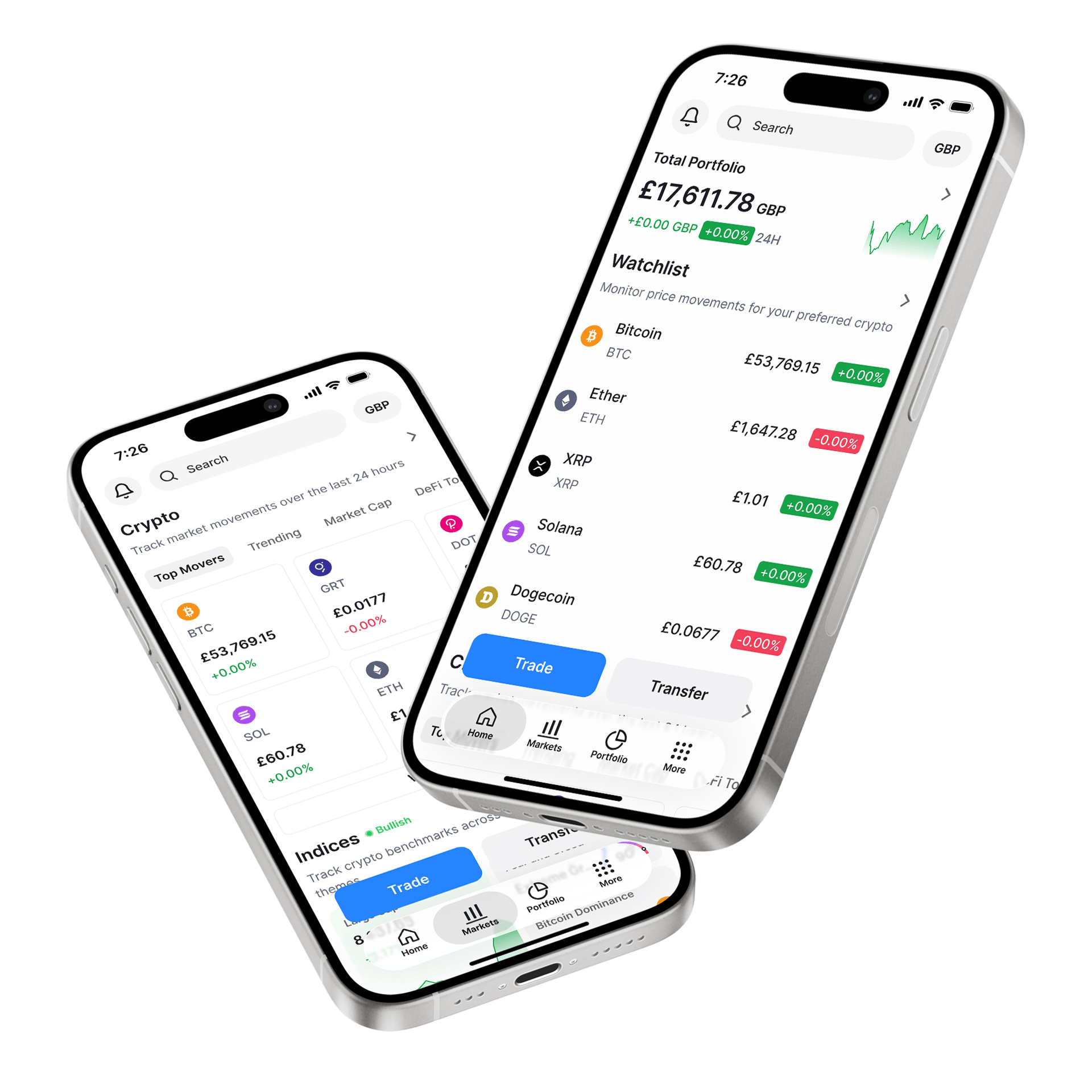
CoinJar App
Buy, sell and send your cryptocurrency with the CoinJar App. Track popular cryptocurrencies, swap one for another in a single step (fees apply), and store everything in your CoinJar Wallet.
Get the CoinJar appCoinJar App
Buy, sell and send your cryptocurrency with the CoinJar App. Track popular cryptocurrencies, swap one for another in a single step (fees apply), and store everything in your CoinJar Wallet.
Get the CoinJar appPast performance is not a reliable indicator of future results. Figures shown are for illustrative purposes only and are not actual market data.
Finder Awards Winner 2024
CoinJar was named the Best Exchange for Value in the UK as part of Finder's Crypto Trading Platform Awards - second year running! Check out our blog to see why Finder chose us over the competition.
See why Finder chose CoinJarFinder Awards Winner 2024
CoinJar was named the Best Exchange for Value in the UK as part of Finder's Crypto Trading Platform Awards - second year running! Check out our blog to see why Finder chose us over the competition.
See why Finder chose CoinJar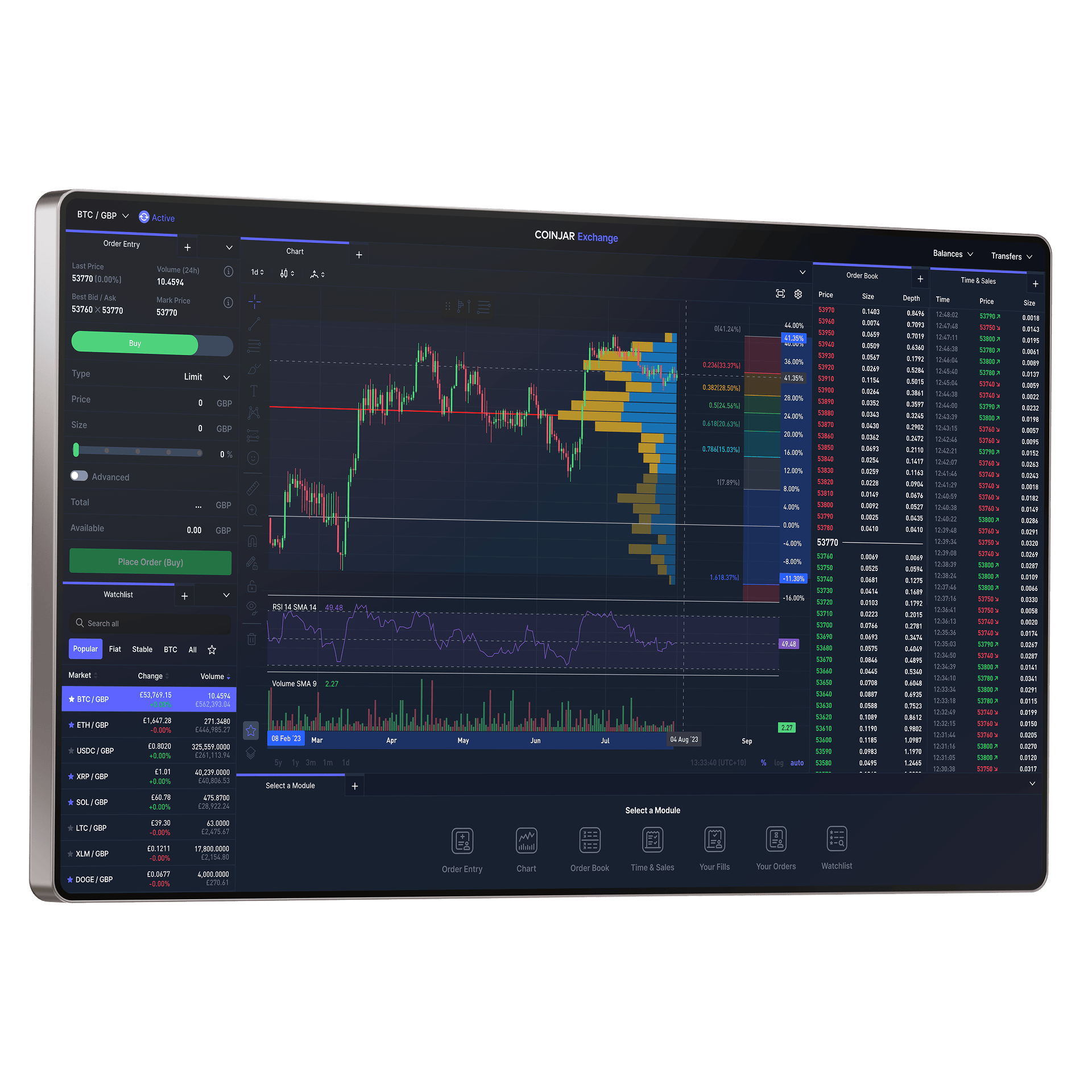
CoinJar Crypto Exchange
Trade with fees from 0-0.1%, using market, limit and stop-limit orders. Connect to TradingView to trade directly from your charts, or use CoinJar Exchange’s professional trading interface, built for active traders, market makers and institutions.
Explore CoinJar ExchangeCoinJar Crypto Exchange
Trade with fees from 0-0.1%, using market, limit and stop-limit orders. Connect to TradingView to trade directly from your charts, or use CoinJar Exchange’s professional trading interface, built for active traders, market makers and institutions.
Explore CoinJar Exchange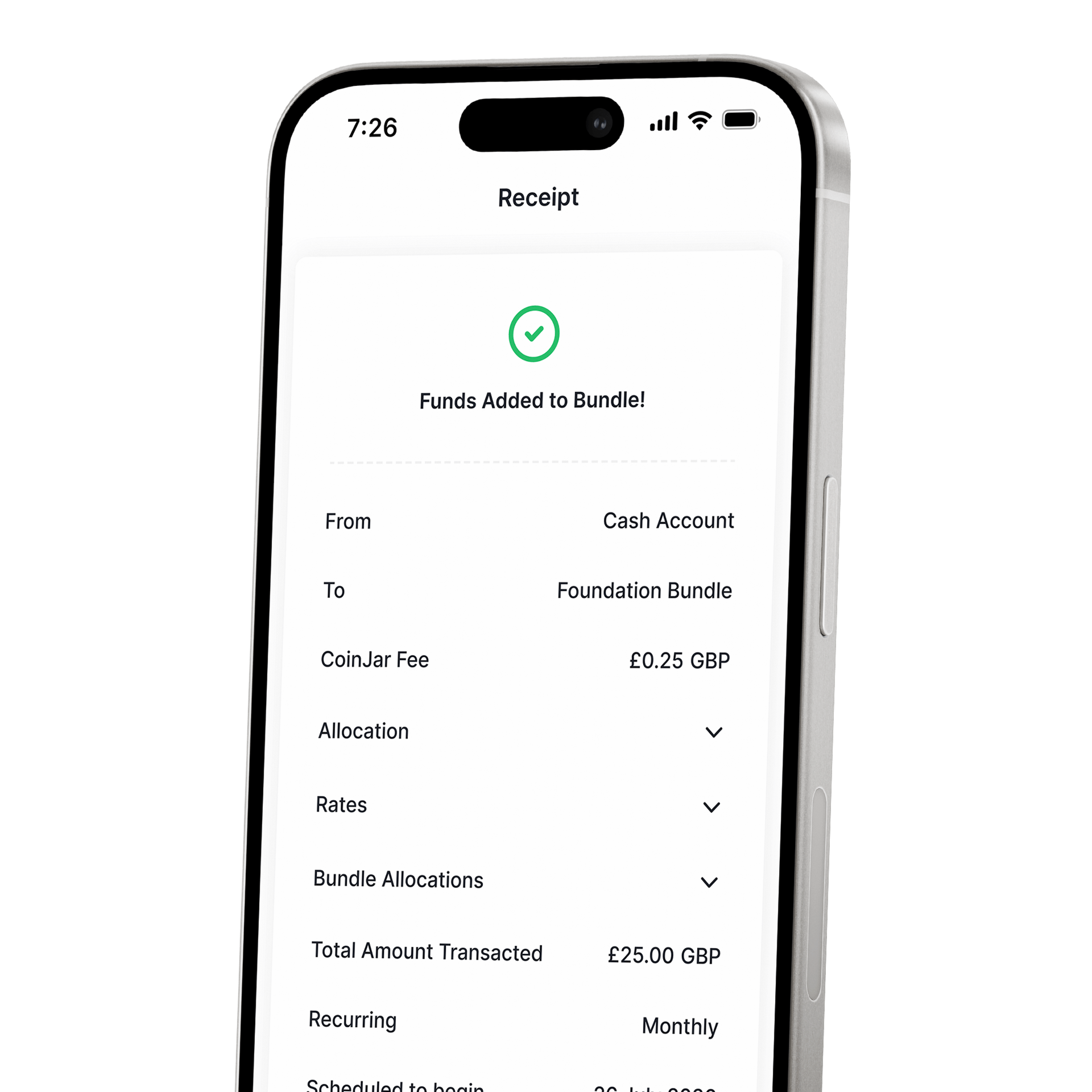
CoinJar Recurring Buy
Schedule automatic purchases weekly, fortnightly or monthly for individual cryptocurrencies or CoinJar Bundles. Manage your purchase amount and schedule, with the flexibility to adjust or pause purchases as your circumstances change.
Learn about Recurring BuyCoinJar Recurring Buy
Schedule automatic purchases weekly, fortnightly or monthly for individual cryptocurrencies or CoinJar Bundles. Manage your purchase amount and schedule, with the flexibility to adjust or pause purchases as your circumstances change.
Learn about Recurring Buy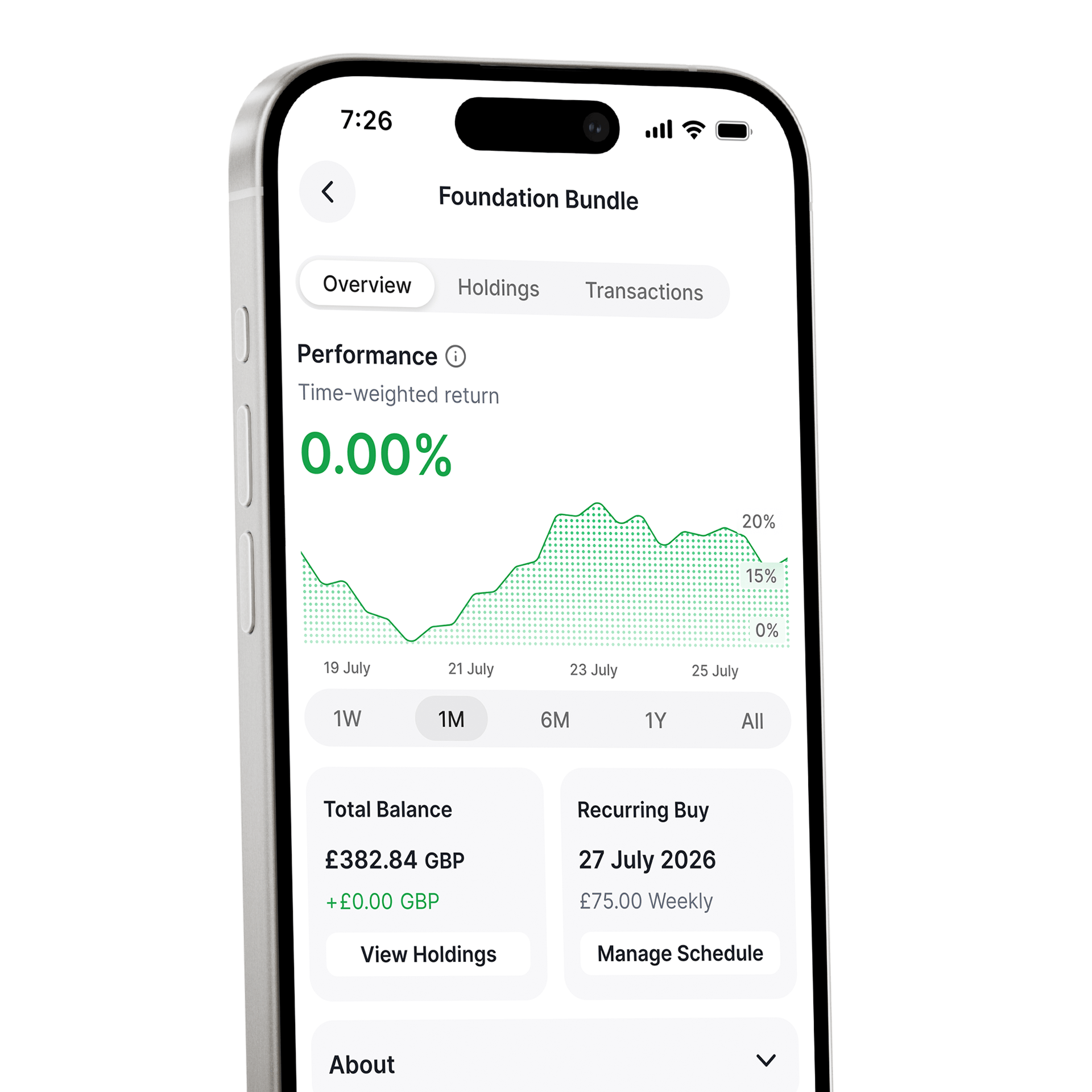
CoinJar Bundles
Pick your Bundle. Review each Bundle’s asset allocation, add to your holdings and rebalance when required. Sell your Bundle or unbundle it to manage the assets individually.
Learn moreCoinJar Bundles
Pick your Bundle. Review each Bundle’s asset allocation, add to your holdings and rebalance when required. Sell your Bundle or unbundle it to manage the assets individually.
Learn more
CoinJar OTC
For cryptocurrency trades above US$50,000, CoinJar’s OTC desk provides personalised service and access to globally sourced liquidity for large cryptocurrency trades. Work directly with a dedicated team to arrange and execute your purchase or sale.
Discover OTC ServicesCoinJar OTC
For cryptocurrency trades above US$50,000, CoinJar’s OTC desk provides personalised service and access to globally sourced liquidity for large cryptocurrency trades. Work directly with a dedicated team to arrange and execute your purchase or sale.
Discover OTC ServicesFrequently Asked Questions
Standard Risk Warning: The above article is not to be read as investment, legal or tax advice and it takes no account of particular personal or market circumstances; all readers should seek independent investment advice before investing in cryptocurrencies.
The article is provided for general information and educational purposes only, no responsibility or liability is accepted for any errors of fact or omission expressed therein. Past performance is not a reliable indicator of future results.
We use third party banking, safekeeping and payment providers, and the failure of any of these providers could also lead to a loss of your assets. We recommend you obtain financial advice before making a decision to use your credit card to purchase cryptoassets or to invest in cryptoassets. Capital Gains Tax may be payable on profits.
CoinJar's digital currency exchange services are operated in the UK by CoinJar UK Limited (company number 8905988), registered by the Financial Conduct Authority as a Cryptoasset Exchange Provider and Custodian Wallet Provider in the United Kingdom under the Money Laundering, Terrorist Financing and Transfer of Funds (Information on the Payer) Regulations 2017, as amended (Firm Reference No. 928767). In the UK, it's legal to buy, hold, and trade crypto, however cryptocurrency is not regulated in the UK.
It's vital to understand that once your money is in the crypto ecosystem, there are no rules to protect it, unlike with regular investments. You should not expect to be protected if something goes wrong. So, if you make any crypto-related investments, you're unlikely to have recourse to the Financial Services Compensation Scheme (FSCS) or the Financial Ombudsman Service (FOS) if something goes wrong.
The performance of most cryptocurrency can be highly volatile, with their value dropping as quickly as it can rise. Past performance is not an indication of future results. Remember: Don't invest unless you're prepared to lose all the money you invest. This is a high-risk investment and you should not expect to be protected if something goes wrong. Take 2 mins to learn more at: https://www.coinjar.com/uk/risk-summary.
UK residents are required to complete an assessment to show they understand the risks associated with what crypto/investment they are about to buy, in accordance with local legislation. Additionally, they must wait for a 24-hour "cooling off" period, before their account is active, due to local regulations. If you use a credit card to buy cryptocurrency, you would be putting borrowed money at a risk of loss.
We recommend you obtain financial advice before making a decision to use your credit card to purchase cryptoassets or to invest in cryptoassets.
Specific risks associated with DeFi tokens Decentralised Finance (or 'DeFi') tokens (e.g. UNI, AAVE) are crypto-assets linked to financial applications and protocols built on decentralised blockchain technology. DeFi tokens carry the following risks:
Smart contract risk: DeFi relies heavily on smart contracts. Even a minor coding error or oversight can lead to a contract being exploited, potentially resulting in significant losses for DeFi tokens.
Regulatory risk: DeFi operates in a decentralised manner, often without intermediaries or financial crime controls. Regulatory bodies across jurisdictions might introduce new regulations impacting the use, value, or legality of certain DeFi protocols or assets.
Rug-pulls / Exit scams: Some DeFi projects might be launched by anonymous or pseudonymous teams, increasing the risk of "rug pulls" where developers abandon the project and withdraw funds, leaving investors with worthless tokens.
Data/oracle risk: DeFi protocols often rely on external data sources or 'oracles. Manipulation or inaccuracies in these data sources can lead to unintended financial outcomes within the protocols. Protocol complexity: The complexity of some DeFi protocols can make it difficult for average users to fully understand the mechanisms and associated risks.
Specific risks associated with meme coins:
'Meme coins' (e.g. DOGE, SHIB, PEPE) are crypto-assets whose value is driven primarily by community interest and online trends.
Meme coins carry the following risks:
Volatility risk: Meme coins can have extreme price volatility, often experiencing rapid and unpredictable price fluctuations within short periods. The value of meme coins can be influenced by social media trends, celebrity endorsements, and other factors unrelated to traditional investment fundamentals. Lack of utility: Meme coins often lack intrinsic value or utility, being primarily driven by community interest, online trends, and speculative trading.
Market manipulation: Meme coins may be susceptible to increased risk of market manipulation including 'pump-and-dump' schemes, where the price is artificially inflated followed by a sudden crash.
Lack of transparency: Meme coins may have limited available information about their development teams, goals, and financials. This lack of transparency can make it challenging to assess the credibility and potential of a meme coin accurately.
Emotional investing: Meme coins often garner strong emotional reactions from investors, leading to impulsive decisions. Emotional trading activity can amplify losses.
Specific risks associated with stablecoins:
There is a risk that any particular stablecoin may not hold their value as against any fiat currency; or may not hold their value as against any other asset. Stablecoins carry the following risks:
Depegging events: Depegging events may occur with stablecoins that fail to maintain adequate controls and risk mitigants. A depegging event is when the value of the stablecoin no longer matches the value of the underlying asset. This could result in a loss of some or all of your investment.
Counterparty risk: Counterparty risk arises when an asset is backed by collateral, involving a third party maintaining the collateral, which introduces risk if the party becomes insolvent or fails to maintain it.
Redemption risk: Redemption risk refers to the possibility that an asset's ability to be redeemed for underlying collateral may not be as anticipated during market fluctuations or operational issues.
Collateral risk: Collateral risk refers to the possibility of the collateral's value declining or becoming volatile, potentially impacting the asset's stability, particularly when it is another crypto-asset.
Exchange rate fluctuations: Stablecoins, often denominated in US Dollars, expose investors to fluctuations in the USD:GBP exchange rate. Algorithmic risk: Algorithm risk refers to the possibility of an asset's stability being compromised due to unexpected failure or behaviour of the underlying algorithm, potentially leading to loss of value.
CoinJar does not endorse the content of, and cannot guarantee or verify the safety of any third-party websites. Visit these websites at your own risk.

CoinJar
Get the app.