
Buy Solana
SOLFigures shown refer to the past. Past performance is not a reliable indicator of future results. Pricing data is provided by CoinJar.
What is Solana?
Solana is a public blockchain designed to process large numbers of transactions at a low cost. SOL is its native cryptocurrency and is used to pay network fees, secure the blockchain through staking and interact with applications built on Solana.
The network launched in 2020 and is used for decentralised finance, payments, digital collectibles, games and tokenised assets. Solana can produce new blocks in less than a second, but stronger transaction finality takes longer and performance can decline during periods of heavy demand.
How does Solana work?
Solana combines Proof of Stake with a timing system called Proof of History. Validators stake SOL and vote on the state of the blockchain, while Proof of History gives transactions a verifiable order before validators reach consensus.
The network also uses a parallel processing system known as Sealevel. If two transactions do not need to change the same account data, Solana can process them at the same time rather than one after another. This helps the network support high activity without relying on a separate layer 2 network for routine transactions.
Solana programs are similar to smart contracts on other blockchains. They contain the rules used by decentralised exchanges, lending markets, games and other on-chain applications.
What is Proof of History?
Proof of History is a cryptographic clock, not a separate consensus mechanism. It creates a sequence that proves events occurred in a particular order and that time passed between them. Validators can use this shared timeline instead of repeatedly communicating to establish the order of every transaction.
Proof of Stake and Solana's Tower BFT consensus rules still provide network security. Validators vote on blocks, and their influence is weighted by the SOL staked and delegated to them. The Solana documentation provides a more technical explanation of the network's architecture.
Solana at a glance
- Native cryptocurrency: SOL
- Network launched: March 2020
- Blockchain type: layer 1 smart contract network
- Consensus: Proof of Stake using Tower BFT
- Timing system: Proof of History
- Block production: typically less than one second
- Maximum supply: no fixed maximum
- Smallest unit: one lamport, equal to 0.000000001 SOL
- Transaction fees: paid in SOL and typically low, but they can rise during congestion
What is SOL used for?
- Network fees. SOL pays for transfers and interactions with Solana programs.
- Staking. SOL can be delegated to validators that help secure the network.
- Decentralised finance. Solana supports exchanges, lending markets, liquid staking protocols and other financial applications. Our guide to decentralised finance explains how these services work and the risks involved.
- Tokens and digital collectibles. Developers can issue fungible tokens, stablecoins and non-fungible tokens using Solana's token standards.
- Payments. Low fees can make SOL and Solana-based stablecoins practical for smaller or frequent transfers.
- Applications and games. Fast block production allows developers to record frequent user actions on-chain.
Using an application built on Solana is not the same as holding SOL. Each token, program and service has its own security, liquidity and issuer risks, and most are not regulated in the UK.
Does SOL have a maximum supply?
No. Unlike Bitcoin, SOL does not have a fixed maximum supply. New SOL is issued as staking rewards under a disinflationary schedule. The annual issuance rate was designed to begin at 8%, decline by 15% each year and eventually settle at a long-term rate of 1.5%. These parameters are set in the protocol and can be changed through network upgrades, so future issuance is not guaranteed to follow this schedule.
Part of Solana's base transaction fee is permanently destroyed, which offsets some new issuance. Priority fees paid during busy periods go to validators. Fee burning does not necessarily make SOL deflationary because new staking rewards may still exceed the amount burned.
The supply therefore changes over time. When assessing SOL, consider both the declining issuance rate and the amount of SOL entering circulation through staking rewards or other distributions.
Can SOL be staked?
Yes. Solana uses Proof of Stake, so SOL holders can delegate tokens to a validator. Validators process transactions and vote on the blockchain, while delegators may receive a share of network rewards after the validator deducts its commission.
Staking returns are variable rather than guaranteed. They depend on network issuance, validator performance, commission and the total amount of SOL staked. Activating or deactivating a stake can also take time because changes occur around network epoch boundaries.
Staking introduces risks beyond changes in the SOL price. These include validator performance, protocol faults and custody arrangements. If a service offers liquid staking tokens, those tokens also carry smart contract, liquidity and price-tracking risks. Staking arrangements are not covered by UK compensation schemes.
How is Solana different from Ethereum?
Solana and Ethereum are both layer 1 blockchains that support smart contracts, tokens and decentralised applications. They use different technical designs.
Solana processes independent transactions in parallel and aims to keep most activity on the base network. Ethereum processes base-layer transactions differently and increasingly relies on layer 2 networks to handle more activity at lower cost. Solana programs commonly use Rust, while Ethereum applications often use Solidity.
SOL and ETH are separate assets on different networks. A Solana address is not an Ethereum address, and tokens cannot move between the networks without a supported bridge or platform. Neither design removes the risks of smart contract bugs, congestion or user error.
Which network does CoinJar use for SOL?
CoinJar supports native SOL on the Solana network. SOL sent using another blockchain or an unsupported wrapped version may not arrive. Likewise, a token built on Solana should only be sent to CoinJar if that specific asset and deposit method are supported.
Always confirm the asset, network and current deposit address on both sides before transferring. Our list of supported cryptocurrencies and networks explains where to check, while our guide to wrong-network crypto transfers covers possible recovery limitations.
Solana accounts used to store tokens or program data must also maintain a small rent-exempt SOL balance. This is closer to a refundable account deposit than a recurring fee, and the required amount depends on the account's data size.
Has Solana experienced outages?
Yes. Solana has experienced full network outages and periods of degraded performance, particularly during intense transaction activity. Some incidents required validators to coordinate a network restart after block production stopped.
Software upgrades, changes to transaction handling and the development of additional validator clients are intended to improve resilience. However, previous improvements do not guarantee future uptime. Congestion can still cause failed transactions, slower confirmations or higher priority fees even when the blockchain continues producing blocks.
This history is an important trade-off to consider. Solana prioritises high throughput and low fees, but its complexity and hardware demands can create operational and concentration risks.
What are the risks of buying SOL?
- Volatility. SOL is a high-risk cryptoasset and can gain or lose substantial value over a short period and you could lose all the money you invest.
- Network reliability. Outages, software bugs or congestion may interrupt transfers and applications.
- No fixed supply. SOL issuance continues under an inflation schedule, although the rate is designed to decline over time.
- Validator concentration. Running a competitive validator requires specialised hardware, bandwidth and delegated stake. Concentration among operators, hosting providers or software clients can weaken resilience.
- Smart contract risk. Solana applications and tokens may contain software flaws, insecure permissions or malicious code.
- Token and scam risk. Anyone can create a token on Solana. A token appearing in a wallet does not mean it is genuine, liquid or approved by CoinJar.
- Staking risk. Rewards can vary, and staking services or liquid staking tokens introduce additional validator, custody and smart contract risks.
- Transfer and custody risk. Blockchain transactions are generally irreversible, while losing control of a self-custody wallet can mean losing the assets permanently.
- Limited consumer protection. SOL holdings are not protected by the Financial Services Compensation Scheme, and you generally cannot take a complaint about cryptoasset investment losses to the Financial Ombudsman Service.
Our guide on how to store cryptocurrency compares platform custody and self-custody. You should also read CoinJar's UK investor education and risk information before deciding whether cryptoassets are appropriate for you.
How is Solana regulated in the UK?
Buying, holding and selling SOL is legal in the UK. SOL is not legal tender, and it does not carry the protections attached to money held in a UK bank account.
UK rules apply to cryptoasset businesses, financial promotions and certain activities rather than approving individual tokens. CoinJar UK Limited is registered with the Financial Conduct Authority as a Cryptoasset Exchange Provider and Custodian Wallet Provider under the Money Laundering Regulations, Firm Reference Number 928767. This registration relates to anti-money laundering supervision. It is not FCA authorisation of SOL, approval of CoinJar's cryptoassets or a guarantee against losses.
The UK regulatory framework for cryptoasset services continues to develop. Protections that apply to many traditional financial products may not apply to SOL, staking arrangements or applications built on Solana.
How is Solana taxed in the UK?
HMRC generally treats SOL and other cryptoassets as chargeable assets. A disposal can occur when you sell SOL for pounds, exchange it for another cryptoasset, spend it on goods or services or give it away to someone other than your spouse or civil partner.
HMRC explains the rules in its guidance on paying tax when you sell cryptoassets. Our guide to crypto tax in the UK provides a practical overview. This is general information, not tax advice. Consider speaking to a qualified tax adviser about your circumstances.
Why Solana matters
Solana takes a distinctive approach to blockchain scaling. Proof of History provides a shared timeline, parallel processing increases capacity, and SOL aligns network fees and staking with the operation of the blockchain.
Those features have attracted payment services, decentralised applications and token projects, but they also come with trade-offs. SOL has no fixed supply, the network has experienced outages, and applications built on Solana can fail independently of the blockchain. Understanding both the technology and the risks matters more than judging Solana on speed alone.
Buy Solana in GBP With FPS or a Card
Buy Solana with an eligible debit or credit card, or transfer GBP to CoinJar for free via Faster Payments and buy using your GBP balance. Buy, sell and hold crypto with CoinJar, trusted by over 800,000 investors worldwide.


How to buy Solana with CoinJar
Get started with CoinJar by following these steps.
Choose your crypto
Choose from leading cryptocurrencies, including Bitcoin and Ethereum, and buy using pounds.
Fund your account
Deposit pounds without a CoinJar deposit fee via Faster Payments, or buy cryptocurrency using a supported Visa, Mastercard, Apple Pay or Google Pay.
Manage your portfolio
Dollar cost average with Recurring Buy (DCA), diversify in a single purchase with Bundles, or trade directly.
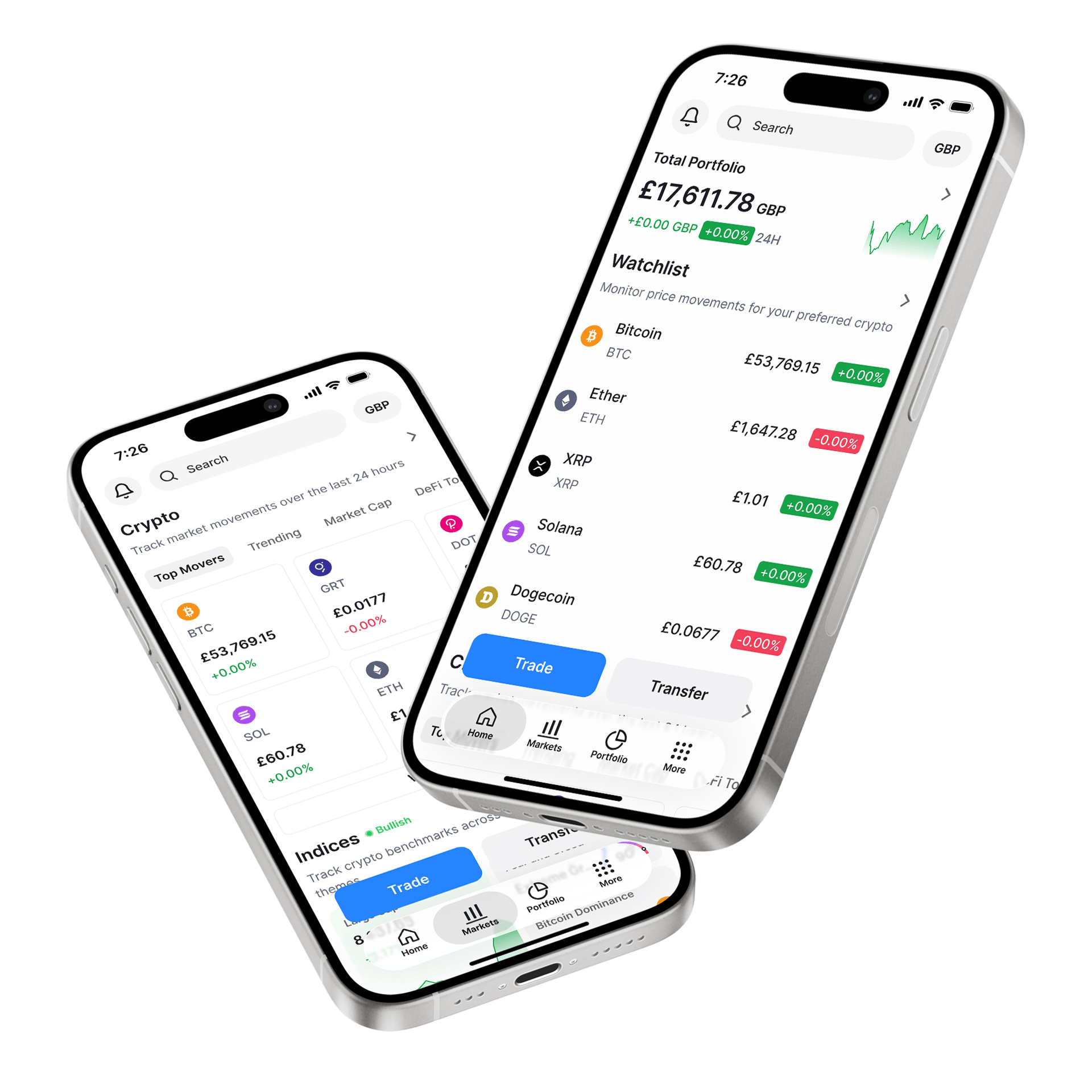
CoinJar App
Buy, sell and send your cryptocurrency with the CoinJar App. Track popular cryptocurrencies, swap one for another in a single step (fees apply), and store everything in your CoinJar Wallet.
Get the CoinJar appCoinJar App
Buy, sell and send your cryptocurrency with the CoinJar App. Track popular cryptocurrencies, swap one for another in a single step (fees apply), and store everything in your CoinJar Wallet.
Get the CoinJar appPast performance is not a reliable indicator of future results. Figures shown are for illustrative purposes only and are not actual market data.
Finder Awards Winner 2024
CoinJar was named the Best Exchange for Value in the UK as part of Finder's Crypto Trading Platform Awards - second year running! Check out our blog to see why Finder chose us over the competition.
See why Finder chose CoinJarFinder Awards Winner 2024
CoinJar was named the Best Exchange for Value in the UK as part of Finder's Crypto Trading Platform Awards - second year running! Check out our blog to see why Finder chose us over the competition.
See why Finder chose CoinJar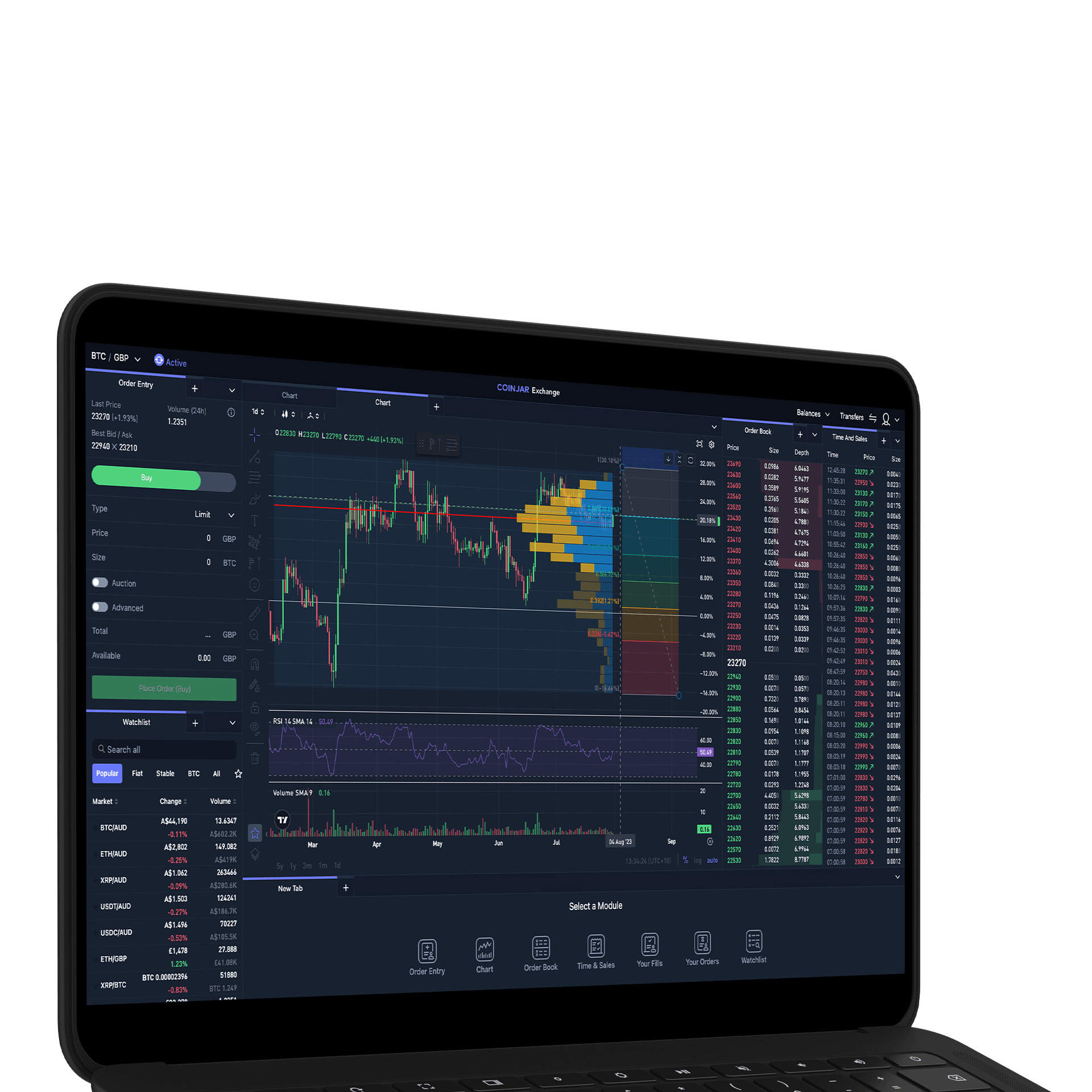
CoinJar Crypto Exchange
Trade with fees from 0-0.1%, using market, limit and stop-limit orders. Connect to TradingView to trade directly from your charts, or use CoinJar Exchange’s professional trading interface, built for active traders, market makers and institutions.
Explore CoinJar ExchangeCoinJar Crypto Exchange
Trade with fees from 0-0.1%, using market, limit and stop-limit orders. Connect to TradingView to trade directly from your charts, or use CoinJar Exchange’s professional trading interface, built for active traders, market makers and institutions.
Explore CoinJar Exchange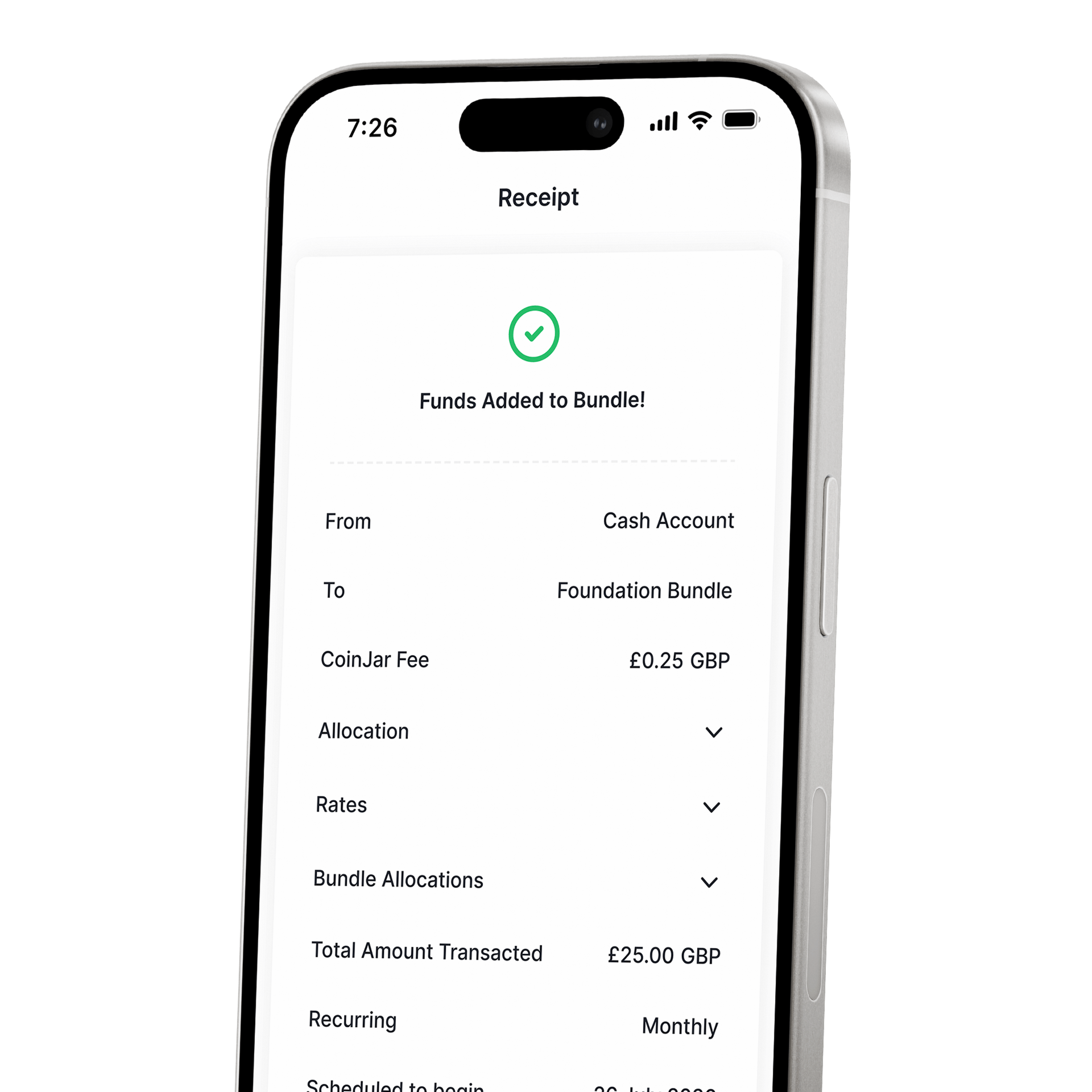
CoinJar Recurring Buy
Schedule automatic purchases weekly, fortnightly or monthly for individual cryptocurrencies or CoinJar Bundles. Manage your purchase amount and schedule, with the flexibility to adjust or pause purchases as your circumstances change.
Learn about Recurring BuyCoinJar Recurring Buy
Schedule automatic purchases weekly, fortnightly or monthly for individual cryptocurrencies or CoinJar Bundles. Manage your purchase amount and schedule, with the flexibility to adjust or pause purchases as your circumstances change.
Learn about Recurring Buy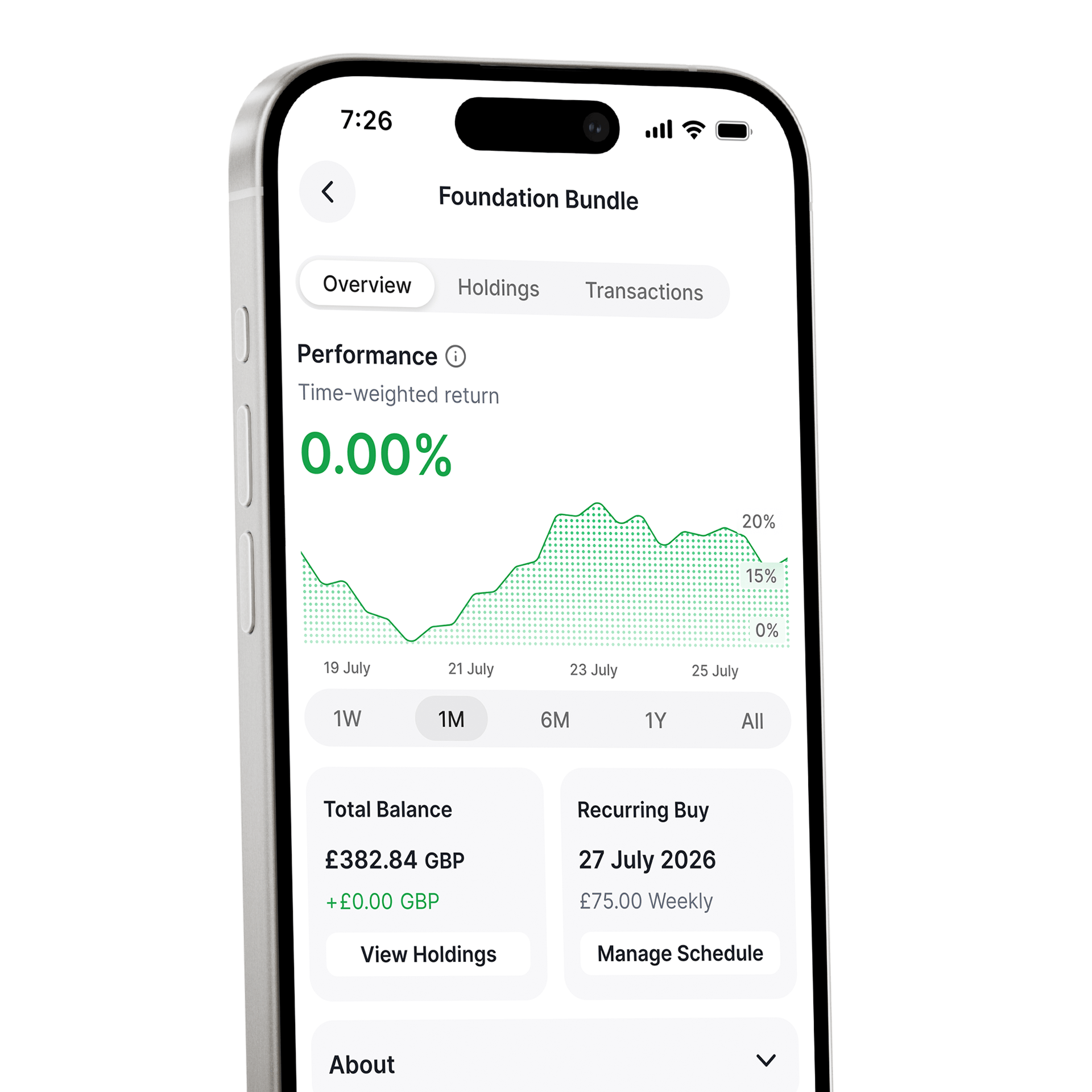
CoinJar Bundles
Pick your Bundle. Review each Bundle’s asset allocation, add to your holdings and rebalance when required. Sell your Bundle or unbundle it to manage the assets individually.
Learn moreCoinJar Bundles
Pick your Bundle. Review each Bundle’s asset allocation, add to your holdings and rebalance when required. Sell your Bundle or unbundle it to manage the assets individually.
Learn more
CoinJar OTC
For cryptocurrency trades above US$50,000, CoinJar’s OTC desk provides personalised service and access to globally sourced liquidity for large cryptocurrency trades. Work directly with a dedicated team to arrange and execute your purchase or sale.
Discover OTC ServicesCoinJar OTC
For cryptocurrency trades above US$50,000, CoinJar’s OTC desk provides personalised service and access to globally sourced liquidity for large cryptocurrency trades. Work directly with a dedicated team to arrange and execute your purchase or sale.
Discover OTC ServicesFrequently Asked Questions
Standard Risk Warning: The above article is not to be read as investment, legal or tax advice and it takes no account of particular personal or market circumstances; all readers should seek independent investment advice before investing in cryptocurrencies.
The article is provided for general information and educational purposes only, no responsibility or liability is accepted for any errors of fact or omission expressed therein. Past performance is not a reliable indicator of future results.
We use third party banking, safekeeping and payment providers, and the failure of any of these providers could also lead to a loss of your assets. We recommend you obtain financial advice before making a decision to use your credit card to purchase cryptoassets or to invest in cryptoassets. Capital Gains Tax may be payable on profits.
CoinJar's digital currency exchange services are operated in the UK by CoinJar UK Limited (company number 8905988), registered by the Financial Conduct Authority as a Cryptoasset Exchange Provider and Custodian Wallet Provider in the United Kingdom under the Money Laundering, Terrorist Financing and Transfer of Funds (Information on the Payer) Regulations 2017, as amended (Firm Reference No. 928767). In the UK, it's legal to buy, hold, and trade crypto, however cryptocurrency is not regulated in the UK.
It's vital to understand that once your money is in the crypto ecosystem, there are no rules to protect it, unlike with regular investments. You should not expect to be protected if something goes wrong. So, if you make any crypto-related investments, you're unlikely to have recourse to the Financial Services Compensation Scheme (FSCS) or the Financial Ombudsman Service (FOS) if something goes wrong.
The performance of most cryptocurrency can be highly volatile, with their value dropping as quickly as it can rise. Past performance is not an indication of future results. Remember: Don't invest unless you're prepared to lose all the money you invest. This is a high-risk investment and you should not expect to be protected if something goes wrong. Take 2 mins to learn more at: https://www.coinjar.com/uk/risk-summary.
UK residents are required to complete an assessment to show they understand the risks associated with what crypto/investment they are about to buy, in accordance with local legislation. Additionally, they must wait for a 24-hour "cooling off" period, before their account is active, due to local regulations. If you use a credit card to buy cryptocurrency, you would be putting borrowed money at a risk of loss.
We recommend you obtain financial advice before making a decision to use your credit card to purchase cryptoassets or to invest in cryptoassets.
Specific risks associated with DeFi tokens Decentralised Finance (or 'DeFi') tokens (e.g. UNI, AAVE) are crypto-assets linked to financial applications and protocols built on decentralised blockchain technology. DeFi tokens carry the following risks:
Smart contract risk: DeFi relies heavily on smart contracts. Even a minor coding error or oversight can lead to a contract being exploited, potentially resulting in significant losses for DeFi tokens.
Regulatory risk: DeFi operates in a decentralised manner, often without intermediaries or financial crime controls. Regulatory bodies across jurisdictions might introduce new regulations impacting the use, value, or legality of certain DeFi protocols or assets.
Rug-pulls / Exit scams: Some DeFi projects might be launched by anonymous or pseudonymous teams, increasing the risk of "rug pulls" where developers abandon the project and withdraw funds, leaving investors with worthless tokens.
Data/oracle risk: DeFi protocols often rely on external data sources or 'oracles. Manipulation or inaccuracies in these data sources can lead to unintended financial outcomes within the protocols. Protocol complexity: The complexity of some DeFi protocols can make it difficult for average users to fully understand the mechanisms and associated risks.
Specific risks associated with meme coins:
'Meme coins' (e.g. DOGE, SHIB, PEPE) are crypto-assets whose value is driven primarily by community interest and online trends.
Meme coins carry the following risks:
Volatility risk: Meme coins can have extreme price volatility, often experiencing rapid and unpredictable price fluctuations within short periods. The value of meme coins can be influenced by social media trends, celebrity endorsements, and other factors unrelated to traditional investment fundamentals. Lack of utility: Meme coins often lack intrinsic value or utility, being primarily driven by community interest, online trends, and speculative trading.
Market manipulation: Meme coins may be susceptible to increased risk of market manipulation including 'pump-and-dump' schemes, where the price is artificially inflated followed by a sudden crash.
Lack of transparency: Meme coins may have limited available information about their development teams, goals, and financials. This lack of transparency can make it challenging to assess the credibility and potential of a meme coin accurately.
Emotional investing: Meme coins often garner strong emotional reactions from investors, leading to impulsive decisions. Emotional trading activity can amplify losses.
Specific risks associated with stablecoins:
There is a risk that any particular stablecoin may not hold their value as against any fiat currency; or may not hold their value as against any other asset. Stablecoins carry the following risks:
Depegging events: Depegging events may occur with stablecoins that fail to maintain adequate controls and risk mitigants. A depegging event is when the value of the stablecoin no longer matches the value of the underlying asset. This could result in a loss of some or all of your investment.
Counterparty risk: Counterparty risk arises when an asset is backed by collateral, involving a third party maintaining the collateral, which introduces risk if the party becomes insolvent or fails to maintain it.
Redemption risk: Redemption risk refers to the possibility that an asset's ability to be redeemed for underlying collateral may not be as anticipated during market fluctuations or operational issues.
Collateral risk: Collateral risk refers to the possibility of the collateral's value declining or becoming volatile, potentially impacting the asset's stability, particularly when it is another crypto-asset.
Exchange rate fluctuations: Stablecoins, often denominated in US Dollars, expose investors to fluctuations in the USD:GBP exchange rate. Algorithmic risk: Algorithm risk refers to the possibility of an asset's stability being compromised due to unexpected failure or behaviour of the underlying algorithm, potentially leading to loss of value.
CoinJar does not endorse the content of, and cannot guarantee or verify the safety of any third-party websites. Visit these websites at your own risk.

CoinJar
Get the app.