
Buy Bitcoin
BTCPast performance is not indicative of future results. All prices are sourced from CoinJar Indices.
What is Bitcoin?
Bitcoin (BTC) is a digital currency that runs on a public network of computers rather than through a bank. It was the first cryptocurrency ever created, launching in January 2009, and every transaction since then has been recorded on a public ledger called a blockchain that anyone can inspect. It remains the largest cryptocurrency by market capitalisation and the most widely held.
How does Bitcoin work?
Bitcoin's design came from a person or group using the name Satoshi Nakamoto, who published the Bitcoin whitepaper in October 2008 and then stepped away from the project. Their identity has never been confirmed, and no company or government controls the network today.
Instead of a central ledger, thousands of computers around the world keep their own copy of Bitcoin's transaction history and agree on which version is correct. New transactions are grouped into blocks roughly every ten minutes by miners, who compete to solve a computational puzzle and are paid in newly issued bitcoin for doing so. That process is what secures the network and what releases new supply on a fixed, publicly known schedule. If you want the fuller mechanics, our guide on what Bitcoin is and how it works covers it in more depth.
Bitcoin at a glance
- Ticker: BTC
- Launched: January 2009
- Maximum supply: 21 million BTC, a limit written into the protocol
- Already mined: more than 95% of the maximum supply
- Average block time: about 10 minutes
- Smallest unit: one satoshi, or 0.00000001 BTC
- Final bitcoin expected to be mined: around the year 2140
What is the Bitcoin halving?
Every 210,000 blocks, or roughly every four years, the reward paid to miners for each new block is cut in half. This is the mechanism that enforces Bitcoin's fixed supply and slows new issuance over time. The April 2024 halving reduced the reward from 6.25 BTC to 3.125 BTC per block, and the next one is expected around April or May 2028, taking it to 1.5625 BTC.
Halvings attract attention because they reduce the rate of new supply entering the market, though past price behaviour around them is not a reliable guide to what happens next. Our explainer on the Bitcoin halving covers the schedule and the arguments in more detail.
Why do people buy Bitcoin?
- Fixed supply. No authority can create more than 21 million BTC, which is why Bitcoin is often compared to gold as a store of value.
- Track record. Bitcoin has run continuously since 2009 through several severe downturns and remains the most liquid, widely held cryptocurrency.
- Accessibility. Bitcoin settles every day of the year and can be sent internationally without a bank as an intermediary.
- Diversification. Some investors hold a small allocation because Bitcoin has historically moved differently from shares and bonds, though that relationship changes over time.
None of this removes the risk. Bitcoin has lost half its value or more within a year on multiple occasions. It suits money you can afford to leave alone through a full market cycle.
Can I buy part of a Bitcoin?
Yes. Each Bitcoin divides into 100 million satoshis, so you can buy a small fraction rather than a whole coin. Owning 0.01 BTC gives you the same asset and the same price exposure as owning a whole coin, just less of it. Most exchanges, including CoinJar, let you start from a small amount rather than requiring a full coin.
Buying gradually with Recurring Buy
If you would rather buy over time than pick a single moment, a Recurring Buy places the same order on a set schedule. Spreading purchases across different prices reduces the impact of any single day, though it does not protect against a sustained decline. Our article on what buying the dip actually means looks at how timing decisions play out in practice.
Keeping your Bitcoin safe
You can leave Bitcoin with a regulated exchange, which manages the private keys and security infrastructure for you, or move it to a wallet you control, which puts you in charge of the keys and the consequences of losing them. A few habits reduce your exposure either way: use an authenticator app rather than SMS for two-factor authentication, keep any recovery phrase offline rather than in a photo or cloud note, and treat unsolicited investment offers or giveaways as scams. Our guide on how to store cryptocurrency compares the options in detail.
Risks to understand before you buy
- Volatility. Double-digit percentage moves in a week are normal for Bitcoin.
- No safety net. Cryptocurrency holdings are not covered by the Financial Claims Scheme that protects bank deposits, and blockchain transactions cannot be reversed.
- Regulatory change. Rules on tax, custody and access differ by country and continue to evolve.
- Self-custody risk. If you hold your own keys and lose them, the coins are gone permanently.
- Scams. Fake exchanges, phishing sites and impersonation of well-known brands remain the most common way Australians lose cryptocurrency.
ASIC's Moneysmart guidance on crypto assets is a useful independent starting point.
Is Bitcoin legal in Australia?
Yes. Buying, holding, selling and spending Bitcoin are all legal in Australia. What Bitcoin is not is legal tender, so no business is obliged to accept it as payment, and it carries none of the protections attached to Australian dollars in a bank account.
Australian regulation applies to the businesses you deal with rather than to Bitcoin itself. Cryptocurrency exchanges must register with AUSTRAC and meet anti-money laundering and counter-terrorism financing obligations, which is why any reputable platform will verify your identity before you can trade.
How is Bitcoin taxed in Australia?
The ATO treats Bitcoin as a capital gains tax asset, not as money. You trigger a CGT event whenever you dispose of it, which includes selling it for Australian dollars, swapping it for another cryptocurrency, and using it to pay for goods or services. The gain or loss is calculated in Australian dollars at the time of the transaction.
The ATO sets out the detail on its crypto asset investments page, and our guide to crypto tax in Australia explains how it works in practice. This is general information, not tax advice, so speak to a registered tax agent about your own position.
Why buy Bitcoin with CoinJar
- Operating in Australia since 2013, making CoinJar the country's longest-running cryptocurrency exchange.
- Registered with AUSTRAC as a digital currency exchange provider, registration number DCE100749118-001.
- More than 800,000 customers across Australia, the UK, Europe and the US.
- Free AUD deposits and withdrawals by PayID, Osko and bank transfer.
- Customer Bitcoin held largely in cold storage under multi-signature controls, with no single party able to move assets alone.
Fund Your Account Your Way
Buy Bitcoin instantly using Visa or Mastercard, or deposit Australian dollars via bank transfer, PayID or PayPal. Buy, sell and convert between supported cryptocurrencies through your CoinJar account.


How to buy Bitcoin with CoinJar
Start your portfolio with Australia's longest-running crypto exchange with these simple steps.
Sign up to CoinJar
Get the CoinJar app on iOS or Android, create an account and verify your ID.
Deposit funds
Deposit AUD fee-free via PayID, Osko or bank transfer. You can also use PayPal or pay instantly by card.
Buy your first crypto
Buy Bitcoin and other popular cryptos using cash or credit card in minutes.



CoinJar Card
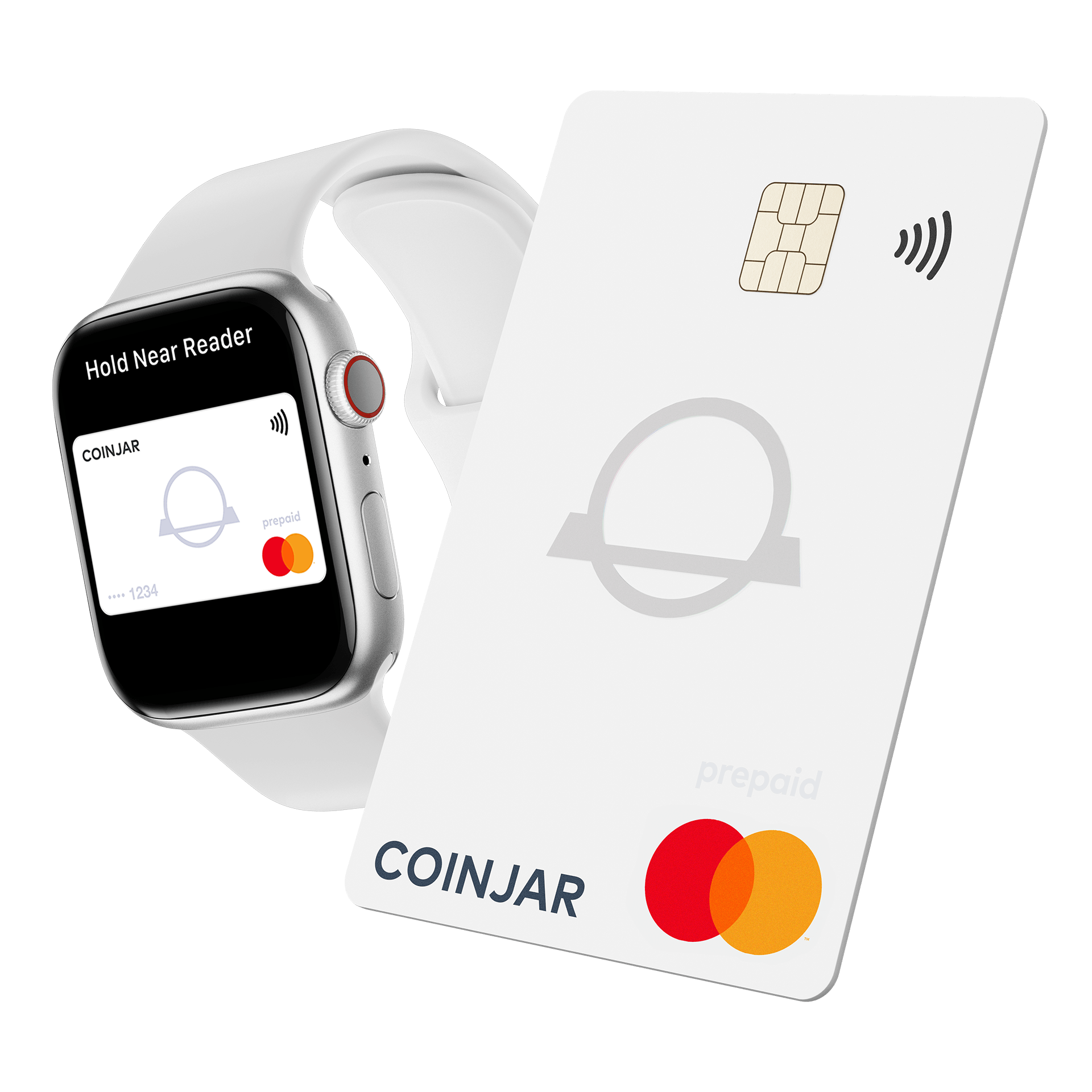
Use CoinJar Card, powered by Mastercard, for purchases online and in store, including through Apple Pay and Google Pay. No setup or monthly fee. A 1% purchase fee applies and is returned as CoinJar Rewards points, with one point earned per $1 spent. Available in Australia only.
Get your CoinJar Card for freeCoinJar Card
Use CoinJar Card, powered by Mastercard, for purchases online and in store, including through Apple Pay and Google Pay. No setup or monthly fee. A 1% purchase fee applies and is returned as CoinJar Rewards points, with one point earned per $1 spent. Available in Australia only.
Get your CoinJar Card for free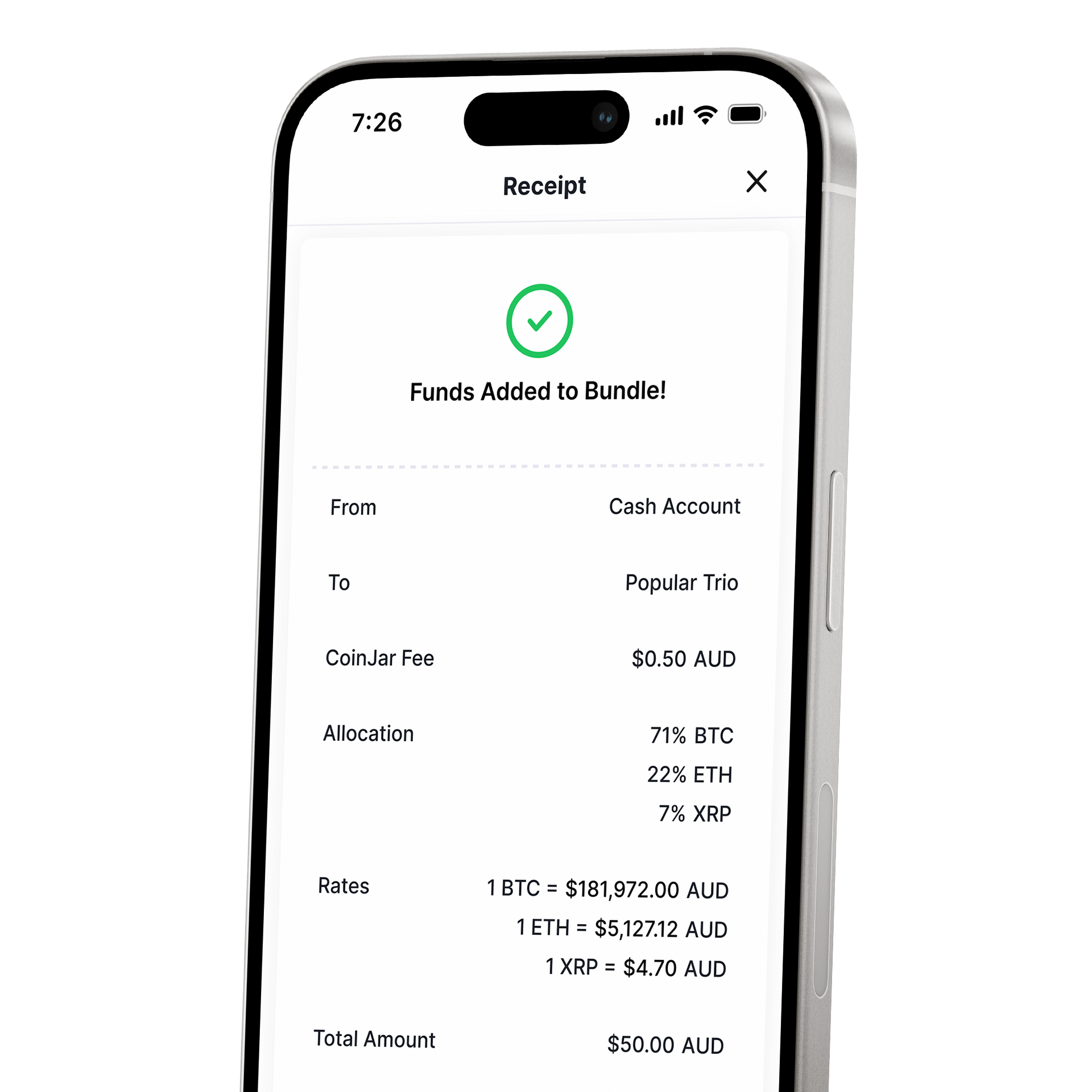
CoinJar Recurring Buy
Schedule automatic purchases weekly, fortnightly or monthly to dollar-cost average into individual cryptocurrencies or CoinJar Bundles. Manage your investment amount and schedule, with the flexibility to adjust or pause purchases as your circumstances change.
DCA with Recurring BuyCoinJar Recurring Buy
Schedule automatic purchases weekly, fortnightly or monthly to dollar-cost average into individual cryptocurrencies or CoinJar Bundles. Manage your investment amount and schedule, with the flexibility to adjust or pause purchases as your circumstances change.
DCA with Recurring Buy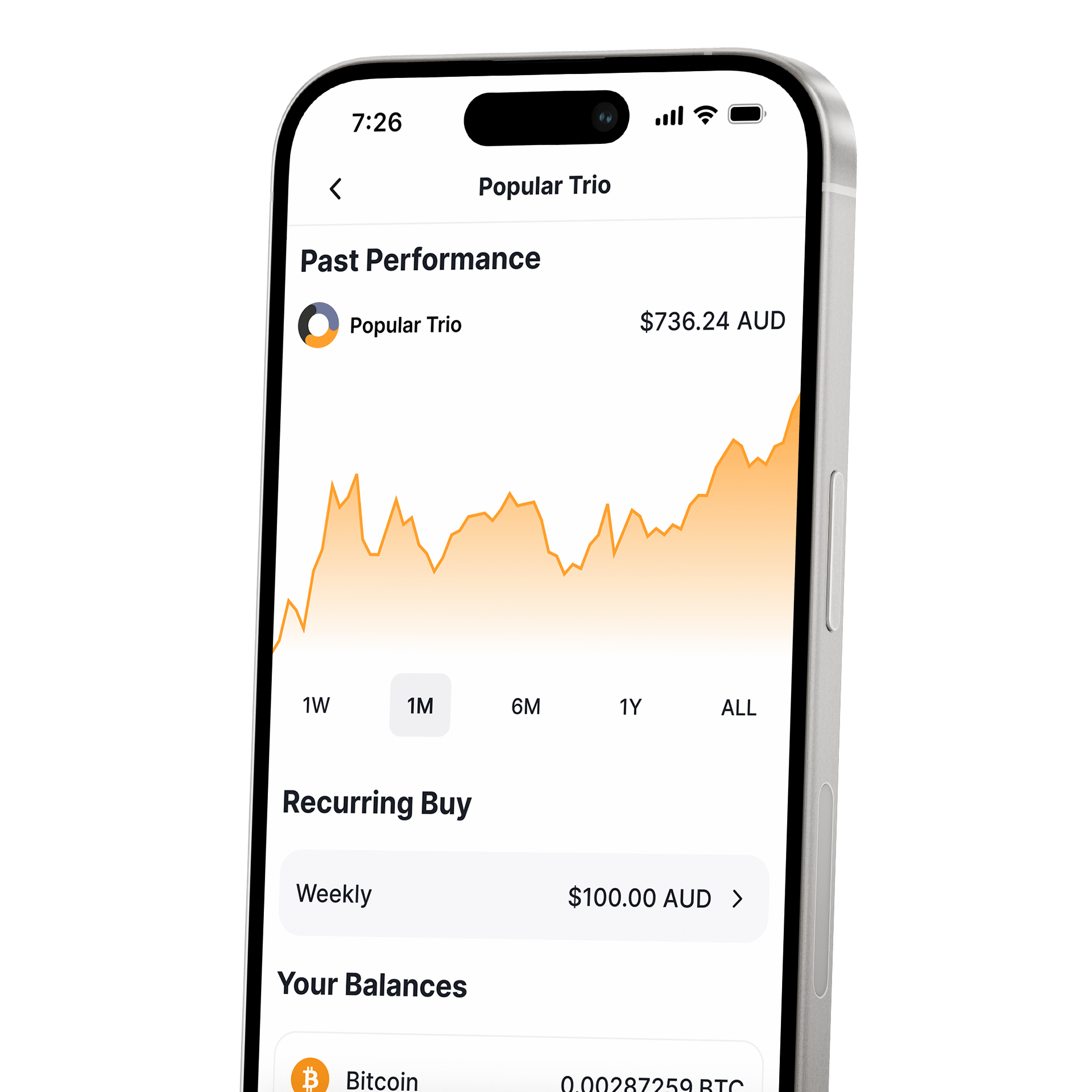
CoinJar Bundles
Pick your Bundle in the CoinJar app. Review each Bundle’s asset allocation, add to your holdings and rebalance when required. Sell your Bundle or unbundle it to manage the assets individually.
Learn moreCoinJar Bundles
Pick your Bundle in the CoinJar app. Review each Bundle’s asset allocation, add to your holdings and rebalance when required. Sell your Bundle or unbundle it to manage the assets individually.
Learn more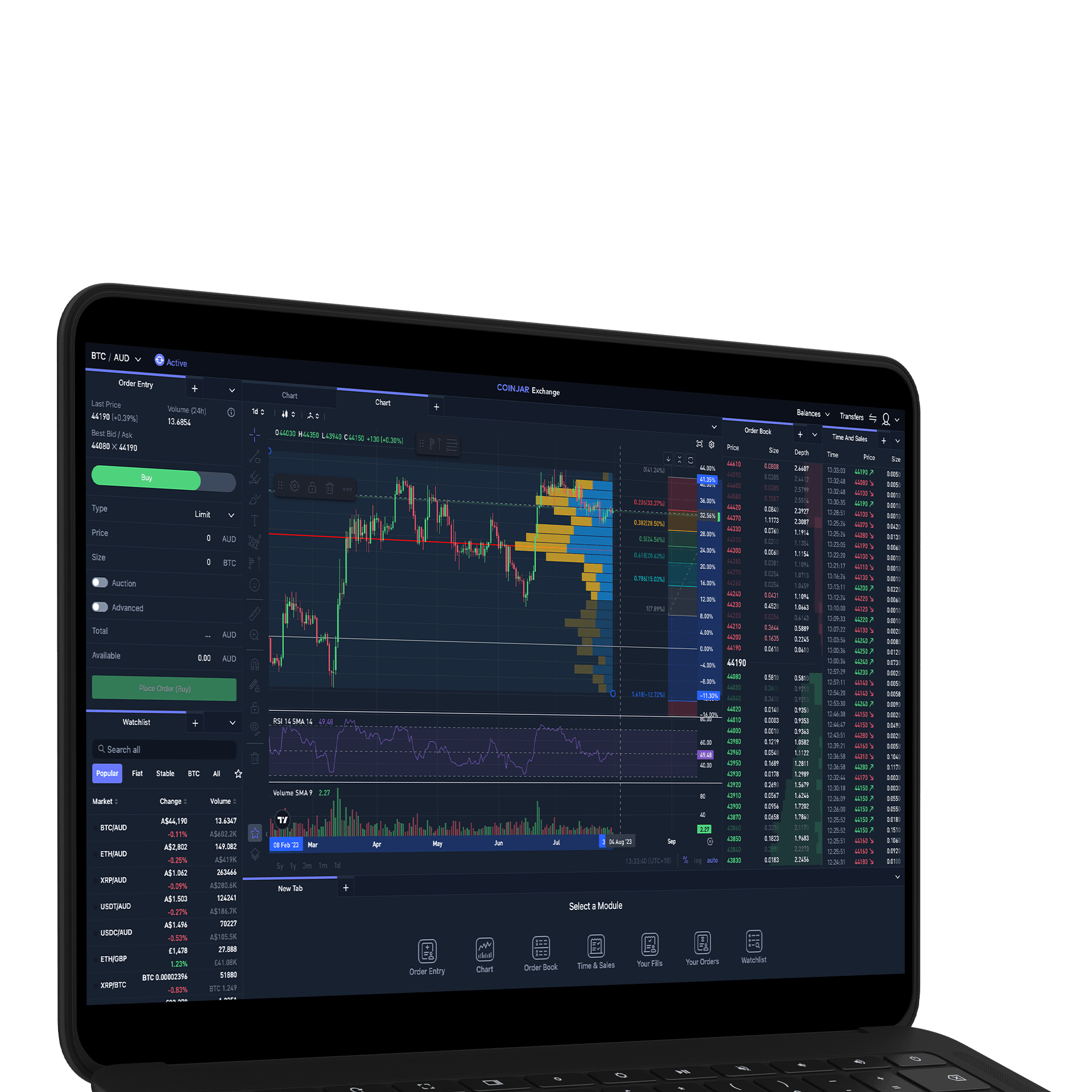
CoinJar Exchange
Trade with fees from 0-0.1%, using market, limit and stop-limit orders. Connect to TradingView to trade directly from your charts, or use CoinJar Exchange’s high-performance interface, built for active traders, market makers and institutions.
Explore CoinJar ExchangeCoinJar Exchange
Trade with fees from 0-0.1%, using market, limit and stop-limit orders. Connect to TradingView to trade directly from your charts, or use CoinJar Exchange’s high-performance interface, built for active traders, market makers and institutions.
Explore CoinJar Exchange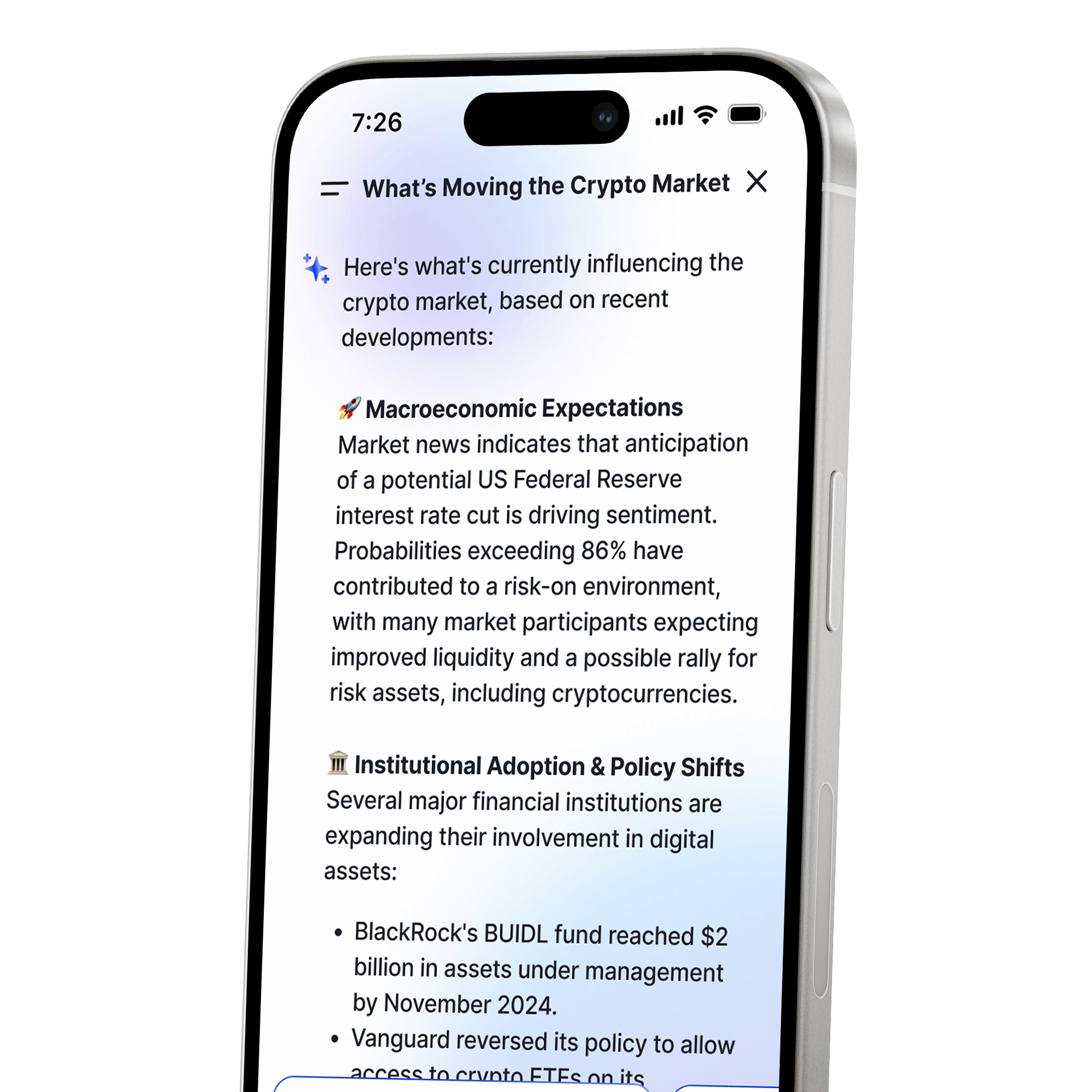
CoinJar AI
Access information about your holdings and the wider cryptocurrency market through CoinJar AI. Ask questions about portfolio changes, market developments or individual cryptocurrencies, with responses informed by your CoinJar holdings.
Learn moreCoinJar AI
Access information about your holdings and the wider cryptocurrency market through CoinJar AI. Ask questions about portfolio changes, market developments or individual cryptocurrencies, with responses informed by your CoinJar holdings.
Learn more
CoinJar OTC
For cryptocurrency trades above $50,000, CoinJar’s OTC desk provides personalised service and access to globally sourced liquidity. Work directly with a dedicated team to arrange and execute your purchase or sale. Discover OTC Services
Learn moreCoinJar OTC
For cryptocurrency trades above $50,000, CoinJar’s OTC desk provides personalised service and access to globally sourced liquidity. Work directly with a dedicated team to arrange and execute your purchase or sale. Discover OTC Services
Learn moreCoinJar does not endorse the content of, and cannot guarantee or verify the safety of any third-party websites. Visit these websites at your own risk.

CoinJar
Get the app.