
Buy Litecoin
LTCPast performance is not indicative of future results. All prices are sourced from CoinJar Indices.
What is Litecoin?
Litecoin (LTC) is a cryptocurrency built for fast, low cost payments. It launched on 7 October 2011 and was created by Charlie Lee, a computer scientist who later worked as an engineer at Google and Coinbase. Litecoin runs on its own public blockchain, built from Bitcoin's open source code with different settings: a new block roughly every 2.5 minutes instead of every 10, and a maximum supply of 84 million LTC instead of 21 million.
Litecoin shares Bitcoin's core rules, including a fixed supply and no central issuer, but it is tuned for moving value quickly and cheaply rather than for settlement of large amounts.
How does Litecoin work?
Litecoin is secured by proof of work. Miners compete to solve a cryptographic puzzle using the Scrypt hashing algorithm, and the winner adds the next block of transactions to the chain. Anyone can run a Litecoin node, verify the ledger and check the rules for themselves, and the software is maintained as an open source project rather than by a company. You can read the protocol documentation at litecoin.org.
Two practical consequences follow from that design:
- Faster confirmations. With a 2.5 minute target block time, a Litecoin transaction typically receives its first confirmation about four times faster than an equivalent Bitcoin transaction.
- Low fees. Litecoin blocks are rarely full, so network fees have stayed a fraction of a cent for years, even during busy markets.
Litecoin is also merge mined with Dogecoin, which means miners can secure both networks with the same Scrypt work. This adds hashing power to Litecoin without any change to its supply schedule.
What is Litecoin used for?
Litecoin is mainly used as a payment and transfer asset. Its three most common uses are:
- Spending with merchants. Payment processors including BitPay and CoinGate settle Litecoin payments for online retailers, travel bookings and gift cards, so LTC is accepted at thousands of businesses that never touch cryptocurrency directly.
- Sending value across borders. Because fees do not scale with the amount sent, a transfer of $50 or $50,000 costs roughly the same and clears in minutes rather than business days.
- Moving between platforms. Traders use Litecoin as a low cost way to move value between exchanges and wallets when Bitcoin network fees are high.
Litecoin has also served as a proving ground for Bitcoin technology. It activated Segregated Witness in May 2017, ahead of Bitcoin, and became compatible with the Lightning Network in 2018.
Litecoin vs Bitcoin: what is the difference?
| Litecoin | Bitcoin | |
|---|---|---|
| Launched | October 2011 | January 2009 |
| Maximum supply | 84,000,000 LTC | 21,000,000 BTC |
| Target block time | 2.5 minutes | 10 minutes |
| Mining algorithm | Scrypt | SHA-256 |
| Supply halving | Every 840,000 blocks | Every 210,000 blocks |
| Optional privacy layer | Yes, MWEB | No |
| Typical role | Payments and transfers | Store of value and settlement |
The two networks are close relatives rather than competitors in the technical sense. Litecoin adopts a similar monetary design with parameters weighted towards everyday transactions. If you are new to proof of work networks, our guide to what Bitcoin is covers the shared foundations in more detail.
How is new Litecoin created, and what is the halving?
Litecoin has a fixed maximum supply of 84 million LTC, and new coins enter circulation only as mining rewards. That reward is cut in half every 840,000 blocks, which works out to approximately every four years.
The reward started at 50 LTC per block. It is currently 6.25 LTC, following the halving at block 2,520,000 in August 2023, and it will fall to 3.125 LTC at block 3,360,000. Halvings continue until the reward reaches zero, at which point miners are paid from transaction fees alone. Because the schedule is written into the protocol and measured in blocks rather than dates, the issuance rate is predictable and cannot be changed by any single participant. Our explainer on the Bitcoin halving event describes how the same mechanism works on Bitcoin.
What is MWEB on Litecoin?
MWEB, short for MimbleWimble Extension Blocks, is an optional privacy layer that activated on Litecoin in May 2022. Transactions inside MWEB hide the amounts being sent, which improves fungibility, meaning one LTC is harder to distinguish from another based on its history.
Two points matter in practice. MWEB is opt in, so ordinary Litecoin transactions remain fully transparent on the public blockchain unless you deliberately move coins into it. And support is not universal: several exchanges and some jurisdictions restrict MWEB deposits and withdrawals for anti money laundering reasons, so check the policy of any platform or wallet before using it. The technical specification is published as Litecoin Improvement Proposal 0003.
Buying Litecoin in Australia with CoinJar
CoinJar has operated since 2013 and lists Litecoin against Australian dollars, so you can buy, sell and hold LTC without converting to another cryptocurrency first. Current rates are listed on our fees page, and you can see live Australian dollar rates on our cryptocurrency prices page.
If you prefer to build a position gradually rather than time the market, Recurring Buy automates purchases on a daily, weekly or monthly schedule. Litecoin also appears alongside other assets in our supported cryptocurrency list.
Litecoin you hold with CoinJar is kept in our custody infrastructure, where private keys are split across offline and hardware protected systems so no single party can move assets on its own. You can read how that works on our custody page. You can also withdraw LTC to a wallet you control at any time.
CoinJar Australia Pty Ltd is registered with AUSTRAC as a digital currency exchange provider, Registration No. DCE100749118-001.
What should Australians consider before buying Litecoin?
Litecoin is a volatile asset and it has gone through several deep drawdowns across its history. Consider the following before you buy:
- Price risk. Litecoin's value can fall sharply and quickly, and past performance tells you nothing about future returns.
- Competition. Other networks also target fast, cheap payments, including Bitcoin's Lightning Network and various stablecoin rails. Litecoin's payments niche is contested.
- Regulatory friction around MWEB. Privacy features have led some overseas exchanges to restrict or delist Litecoin, which can affect liquidity and access in those markets.
- No government compensation scheme. Cryptocurrency is not a bank deposit. Digital assets held with CoinJar are not covered by the Australian Government's Financial Claims Scheme, and AUSTRAC registration does not mean AUSTRAC has approved or endorsed Litecoin or CoinJar.
How is Litecoin taxed in Australia?
The ATO generally treats Litecoin as a capital gains tax asset. A CGT event can occur when you sell it for Australian dollars, exchange it for another cryptoasset, spend it or give it away.
The ATO explains these rules on its official guidance page. Our guide to crypto tax in Australia provides a practical overview. This is general information, not tax advice. Consider speaking to a registered tax agent about your circumstances.
Fund Your Account Your Way
Buy Litecoin instantly using Visa or Mastercard, or deposit Australian dollars via bank transfer, PayID or PayPal. Buy, sell and convert between supported cryptocurrencies through your CoinJar account.


How to buy Litecoin with CoinJar
Start your portfolio with Australia's longest-running crypto exchange with these simple steps.
Sign up to CoinJar
Get the CoinJar app on iOS or Android, create an account and verify your ID.
Deposit funds
Deposit AUD fee-free via PayID, Osko or bank transfer. You can also use PayPal or pay instantly by card.
Buy your first crypto
Buy Litecoin and other popular cryptos using cash or credit card in minutes.



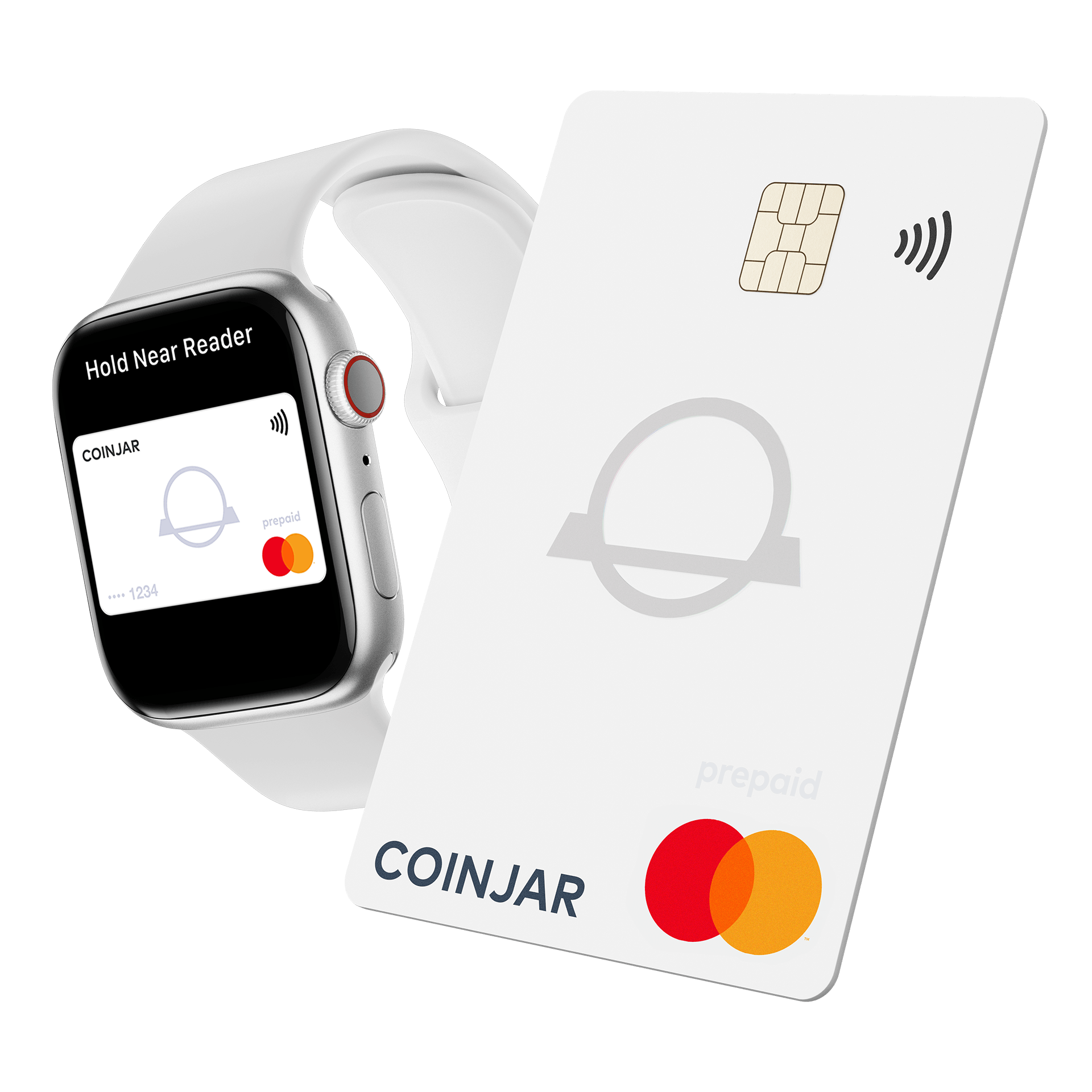
CoinJar Card
Use CoinJar Card, powered by Mastercard, for purchases online and in store, including through Apple Pay and Google Pay. No setup or monthly fee. A 1% purchase fee applies and is returned as CoinJar Rewards points, with one point earned per $1 spent. Available in Australia only.
Get your CoinJar Card for freeCoinJar Card
Use CoinJar Card, powered by Mastercard, for purchases online and in store, including through Apple Pay and Google Pay. No setup or monthly fee. A 1% purchase fee applies and is returned as CoinJar Rewards points, with one point earned per $1 spent. Available in Australia only.
Get your CoinJar Card for free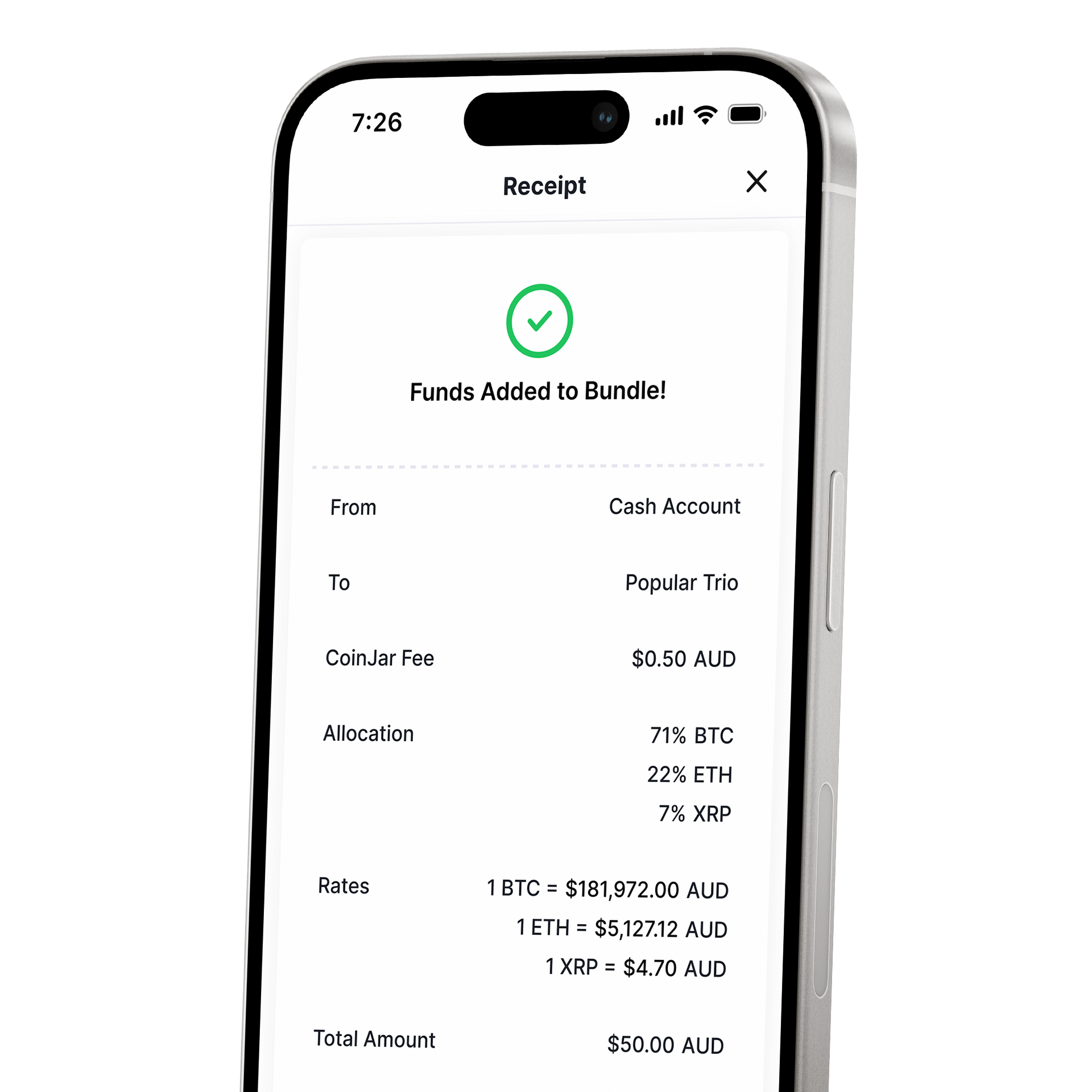
CoinJar Recurring Buy
Schedule automatic purchases weekly, fortnightly or monthly to dollar-cost average into individual cryptocurrencies or CoinJar Bundles. Manage your investment amount and schedule, with the flexibility to adjust or pause purchases as your circumstances change.
DCA with Recurring BuyCoinJar Recurring Buy
Schedule automatic purchases weekly, fortnightly or monthly to dollar-cost average into individual cryptocurrencies or CoinJar Bundles. Manage your investment amount and schedule, with the flexibility to adjust or pause purchases as your circumstances change.
DCA with Recurring Buy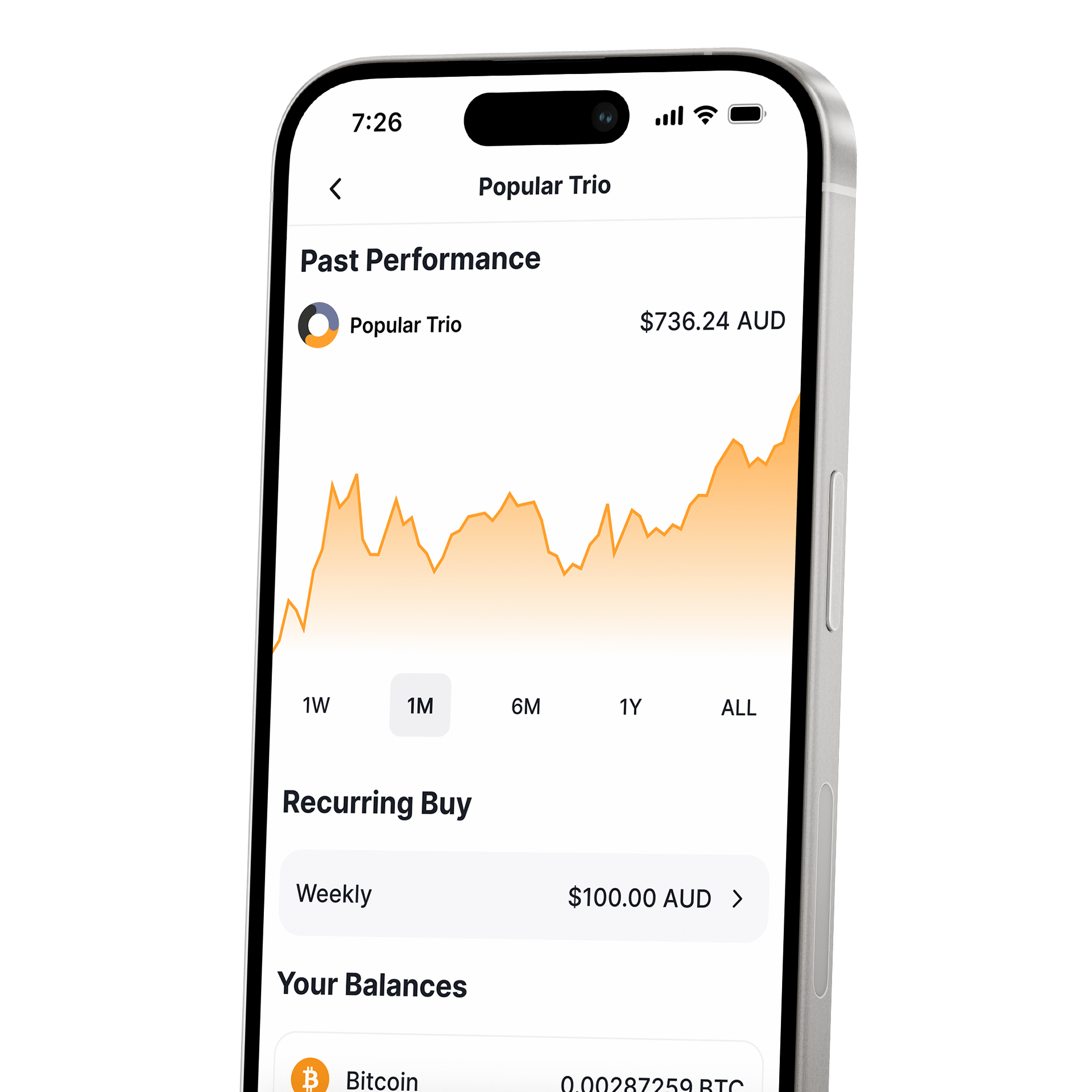
CoinJar Bundles
Pick your Bundle in the CoinJar app. Review each Bundle’s asset allocation, add to your holdings and rebalance when required. Sell your Bundle or unbundle it to manage the assets individually.
Learn moreCoinJar Bundles
Pick your Bundle in the CoinJar app. Review each Bundle’s asset allocation, add to your holdings and rebalance when required. Sell your Bundle or unbundle it to manage the assets individually.
Learn more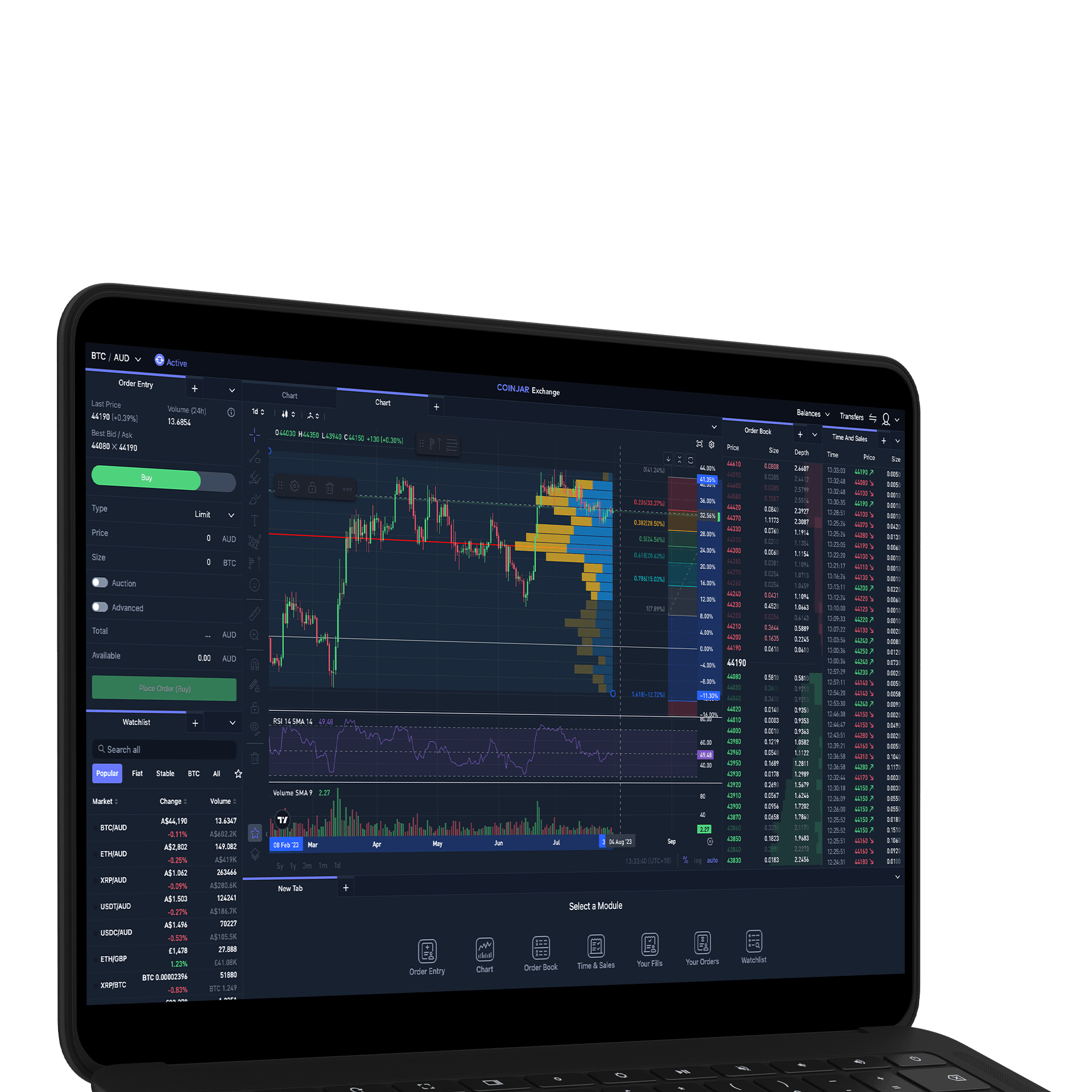
CoinJar Exchange
Trade with fees from 0-0.1%, using market, limit and stop-limit orders. Connect to TradingView to trade directly from your charts, or use CoinJar Exchange’s high-performance interface, built for active traders, market makers and institutions.
Explore CoinJar ExchangeCoinJar Exchange
Trade with fees from 0-0.1%, using market, limit and stop-limit orders. Connect to TradingView to trade directly from your charts, or use CoinJar Exchange’s high-performance interface, built for active traders, market makers and institutions.
Explore CoinJar Exchange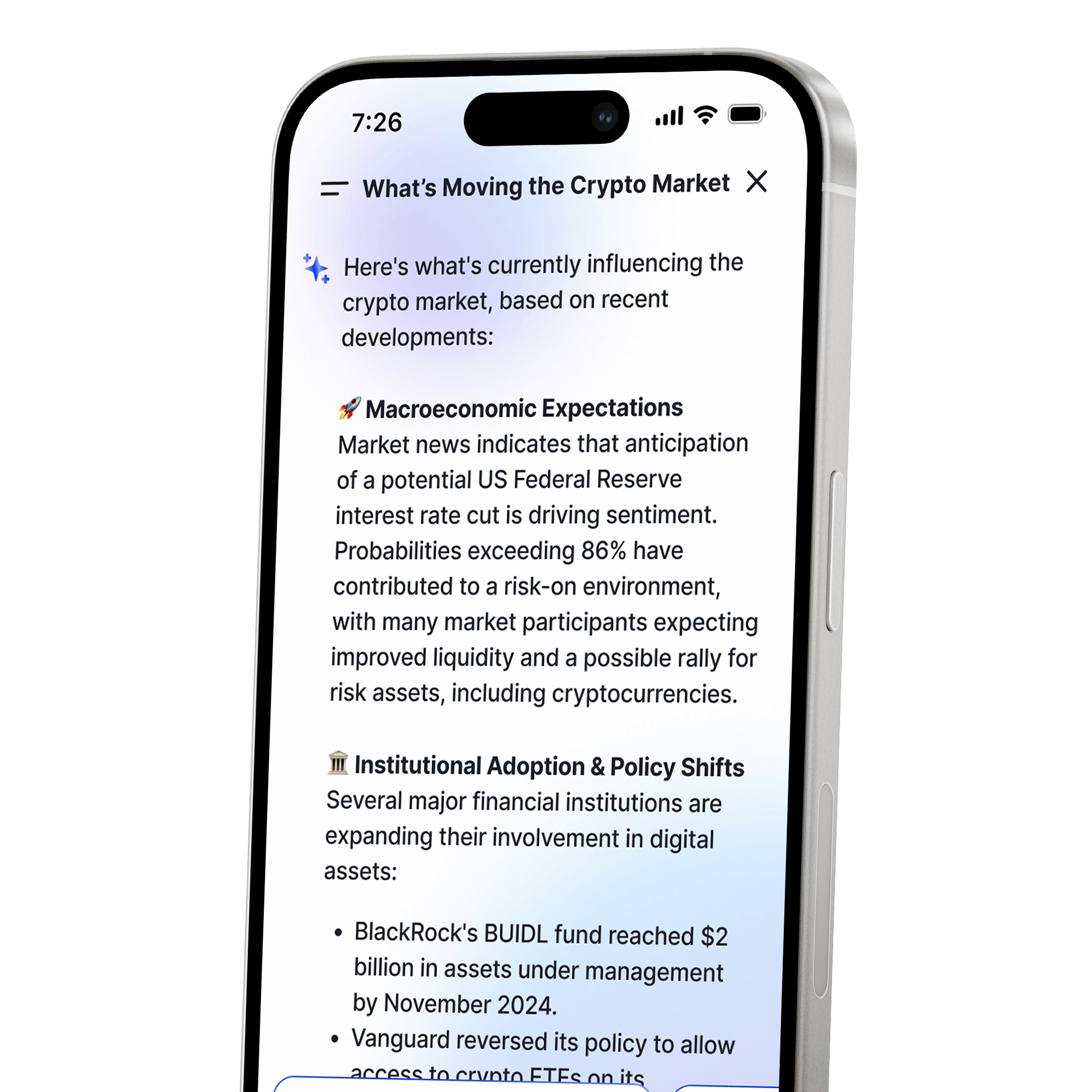
CoinJar AI
Access information about your holdings and the wider cryptocurrency market through CoinJar AI. Ask questions about portfolio changes, market developments or individual cryptocurrencies, with responses informed by your CoinJar holdings.
Learn moreCoinJar AI
Access information about your holdings and the wider cryptocurrency market through CoinJar AI. Ask questions about portfolio changes, market developments or individual cryptocurrencies, with responses informed by your CoinJar holdings.
Learn more
CoinJar OTC
For cryptocurrency trades above $50,000, CoinJar’s OTC desk provides personalised service and access to globally sourced liquidity. Work directly with a dedicated team to arrange and execute your purchase or sale. Discover OTC Services
Learn moreCoinJar OTC
For cryptocurrency trades above $50,000, CoinJar’s OTC desk provides personalised service and access to globally sourced liquidity. Work directly with a dedicated team to arrange and execute your purchase or sale. Discover OTC Services
Learn moreCoinJar does not endorse the content of, and cannot guarantee or verify the safety of any third-party websites. Visit these websites at your own risk.

CoinJar
Get the app.