
Buy XRP
XRPPast performance is not indicative of future results. All prices are sourced from CoinJar Indices.
What is XRP?
XRP is the native cryptocurrency of the XRP Ledger, a public blockchain built for fast, low-cost payments. Transactions settle in around three to five seconds for a fraction of a cent, which is why XRP is most often discussed as a settlement and cross-border payments asset rather than a store of value. It has been running since 2012 and is consistently one of the largest cryptocurrencies by market capitalisation.
XRP, the XRP Ledger and Ripple: what is the difference?
These three things get used interchangeably and they are not the same.
- XRP is the digital asset. It pays transaction costs on the network and can act as a bridge between two other currencies.
- The XRP Ledger, often shortened to XRPL, is the open-source blockchain that XRP runs on. It launched in 2012, built by David Schwartz, Jed McCaleb and Arthur Britto.
- Ripple is a private company that builds payments software using XRP and the XRP Ledger. It is the largest single holder of XRP and a major contributor to the ledger's code, but it does not own or operate the network.
You will still see XRP called "Ripple" in older articles and even in some exchange URLs. The asset itself is XRP.
How does the XRP Ledger work?
There is no mining on the XRP Ledger. Instead of miners competing to produce blocks, a network of independent validators reaches agreement on the order and outcome of transactions through the XRP Ledger Consensus Protocol. Each server chooses a list of validators it trusts, and a transaction is confirmed once a large supermajority of those validators agree. New ledger versions close every few seconds.
Transaction costs are paid in tiny fractions of an XRP and are destroyed rather than paid to validators. That design discourages spam and means the total supply of XRP can only shrink over time. The ledger also has a built-in exchange and automated market maker, so tokens issued on XRPL can be traded natively without a separate protocol.
XRP at a glance
- Ticker: XRP
- Network launched: 2012
- Maximum supply: 100 billion XRP, all created at launch
- New supply: none can ever be created
- Typical settlement time: three to five seconds
- Transaction cost: a fraction of a cent, permanently burned
- Consensus: validator agreement, no mining or staking
- Minimum account reserve: currently 1 XRP to activate a new address, set by validator vote
Where does XRP's supply come from?
All 100 billion XRP were created when the ledger launched. There is no mining schedule and no way to issue more. Around 80 billion of that supply was given to Ripple to fund development and build payment use cases, with the remainder going to the founders.
In 2017 Ripple locked a large portion of its holdings into on-ledger escrow contracts that release up to one billion XRP each month. In practice Ripple has returned most of each monthly release to escrow, so the net increase in circulating supply has been considerably smaller than the headline figure. Roughly six in every ten XRP are now in circulation, and the escrow releases are published on the ledger for anyone to verify. Circulating supply also excludes non-Ripple long-term holders and lost/dormant wallets. This matters for two reasons. The schedule is transparent, which is unusual. It also means a single company holds a large share of the supply, which is a genuine consideration for anyone buying XRP.
What is XRP used for?
- Cross-border settlement. Financial institutions use XRP as a bridge asset to move value between currencies without pre-funding accounts in each destination country.
- Payments and remittances. Fast finality and negligible fees make XRP practical for small transfers where network costs would otherwise dominate.
- Trading on the XRPL decentralised exchange. The ledger has had an order book since launch and added an automated market maker in 2024.
- Supporting other assets on XRPL. Stablecoins and tokenised assets are issued on the ledger, including Ripple's dollar-pegged token. Our explainer on RLUSD covers how that works alongside XRP.
- Paying network costs. Every transaction on the ledger, including transfers of other tokens, needs a small amount of XRP.
The official XRP Ledger documentation is the best neutral reference for how these features work at a technical level.
Do I need a destination tag to send XRP?
Usually yes, and this is the single most important thing to get right. Exchanges hold customer XRP in shared addresses, so they use a numeric destination tag to identify which account a deposit belongs to. Send XRP to an exchange without the correct tag and the deposit may not be credited automatically.
CoinJar requires a destination tag for XRP deposits. The receiving address CoinJar generates includes your tag, though some wallets and platforms will ask you to enter the address and the tag in separate fields. When you send XRP out of CoinJar you will be prompted for the destination tag of the receiving address, and you need to confirm explicitly if the destination does not use one.
New XRP addresses also need a minimum balance, currently 1 XRP, before they can receive anything at all. If you are funding a brand new self-custody wallet, send at least that reserve amount or the transaction will fail. Our guide on wrong-network and mistaken transfers explains what is and is not recoverable, and our list of supported cryptocurrencies and networks confirms how CoinJar handles XRP transfers.
Is XRP a security?
Not when it trades on public exchanges, at least under current United States law. In July 2023 a US federal court found that Ripple's programmatic sales of XRP on exchanges were not securities offerings, because buyers on the open market were not relying on Ripple's efforts in the way securities law requires. The same ruling found that Ripple's direct institutional sales did breach securities law, which led to a civil penalty of US$125 million and an injunction on future institutional sales.
Both sides dropped their appeals in 2025, ending the case. The practical result is that XRP trades freely on US exchanges and is available through spot XRP exchange traded funds listed there. Those ETFs are not available on Australian exchanges, where XRP is bought directly through registered platforms. Regulatory treatment still differs between countries and continues to develop.
What are the risks of buying XRP?
- Volatility. XRP is a high-risk asset and double-digit percentage moves in a week are normal.
- Supply concentration. Ripple holds a large share of the total supply, much of it in escrow with a scheduled monthly release. Sales from that holding can weigh on the price.
- Dependence on one company. XRP's main use case is closely tied to the commercial success of Ripple's payments business, even though the ledger operates independently.
- Competition. Dollar stablecoins, bank-led settlement networks and central bank projects all compete for the same cross-border payments role.
- Governance criticism. Validator lists are chosen by node operators, and the default list most operators use draws criticism as a soft point of centralisation.
- Transfer risk. A missing or incorrect destination tag, or sending XRP to an address on another network, can mean funds are delayed or lost permanently.
- No safety net. Cryptocurrency is not covered by the Financial Claims Scheme that protects bank deposits, and blockchain transactions cannot be reversed.
If you hold XRP long term, decide deliberately whether to leave it with a regulated exchange or move it to a wallet you control. Our guide on how to store cryptocurrency compares the options, and ASIC's Moneysmart guidance on crypto assets is a useful independent starting point.
Is XRP legal in Australia?
Yes. Buying, holding and selling XRP are all legal in Australia. XRP is not legal tender, so no business is obliged to accept it, and it carries none of the protections attached to Australian dollars in a bank account.
Australian regulation applies to the businesses you deal with rather than to XRP itself. Cryptocurrency exchanges must register with AUSTRAC and meet anti-money laundering and counter-terrorism financing obligations, which is why a reputable platform will verify your identity before you can trade. ASIC also assesses when a digital asset or service falls within Australia's financial product laws, and that framework continues to be phased in.
How is XRP taxed in Australia?
The ATO treats XRP as a capital gains tax asset, not as money. You trigger a CGT event whenever you dispose of it, which includes selling XRP for Australian dollars, swapping it for another cryptocurrency, and using it to pay for goods or services. The gain or loss is calculated in Australian dollars at the time of the transaction.
The ATO sets out the detail on its crypto asset investments page, and our guide to crypto tax in Australia explains how it works in practice. This is general information, not tax advice, so speak to a registered tax agent about your own position.
Why XRP matters
XRP was built for a specific job: moving value between currencies quickly and cheaply enough that the transfer cost stops being the point. More than a decade on, the ledger still settles in seconds, the supply is fixed and fully accounted for, and the legal questions that hung over the asset in the United States have largely been resolved. What remains open is how much of the cross-border payments market it captures, and how a supply concentrated with one company plays out over time.
Fund Your Account Your Way
Buy XRP instantly using Visa or Mastercard, or deposit Australian dollars via bank transfer, PayID or PayPal. Buy, sell and convert between supported cryptocurrencies through your CoinJar account.


How to buy XRP with CoinJar
Start your portfolio with Australia's longest-running crypto exchange with these simple steps.
Sign up to CoinJar
Get the CoinJar app on iOS or Android, create an account and verify your ID.
Deposit funds
Deposit AUD fee-free via PayID, Osko or bank transfer. You can also use PayPal or pay instantly by card.
Buy your first crypto
Buy XRP and other popular cryptos using cash or credit card in minutes.




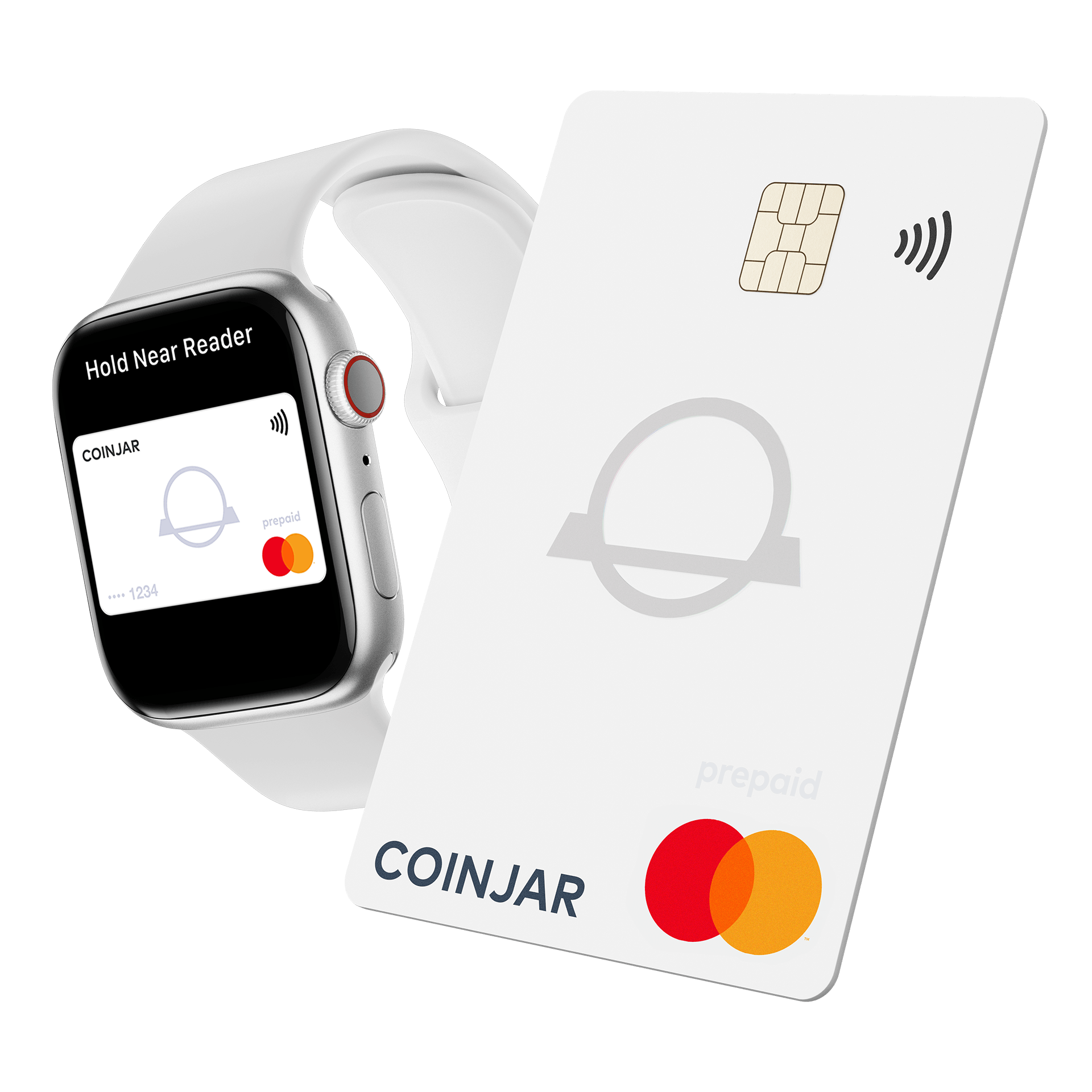
CoinJar Card
Use CoinJar Card, powered by Mastercard, for purchases online and in store, including through Apple Pay and Google Pay. No setup or monthly fee. A 1% purchase fee applies and is returned as CoinJar Rewards points, with one point earned per $1 spent. Available in Australia only.
Get your CoinJar Card for freeCoinJar Card
Use CoinJar Card, powered by Mastercard, for purchases online and in store, including through Apple Pay and Google Pay. No setup or monthly fee. A 1% purchase fee applies and is returned as CoinJar Rewards points, with one point earned per $1 spent. Available in Australia only.
Get your CoinJar Card for free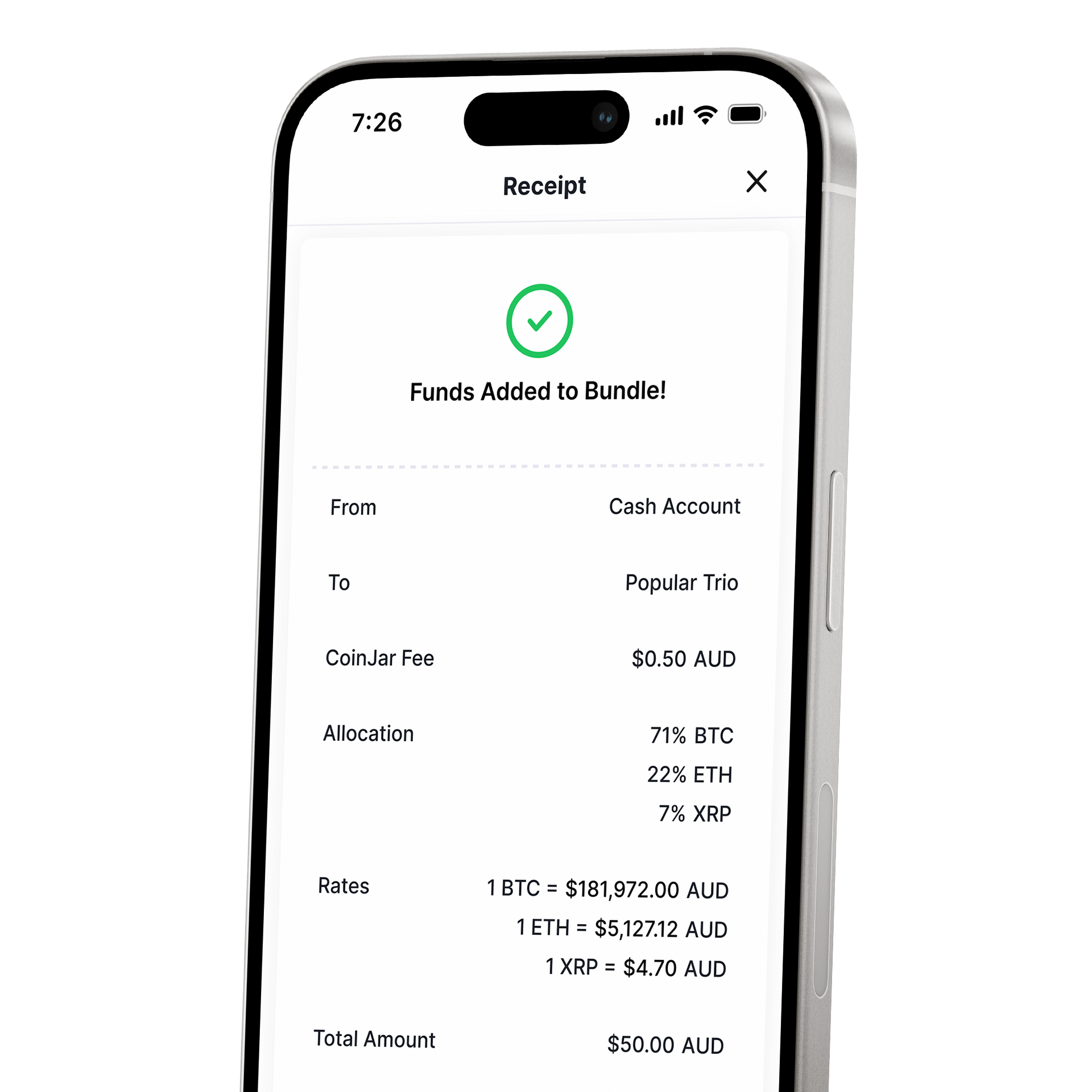
CoinJar Recurring Buy
Schedule automatic purchases weekly, fortnightly or monthly to dollar-cost average into individual cryptocurrencies or CoinJar Bundles. Manage your investment amount and schedule, with the flexibility to adjust or pause purchases as your circumstances change.
DCA with Recurring BuyCoinJar Recurring Buy
Schedule automatic purchases weekly, fortnightly or monthly to dollar-cost average into individual cryptocurrencies or CoinJar Bundles. Manage your investment amount and schedule, with the flexibility to adjust or pause purchases as your circumstances change.
DCA with Recurring Buy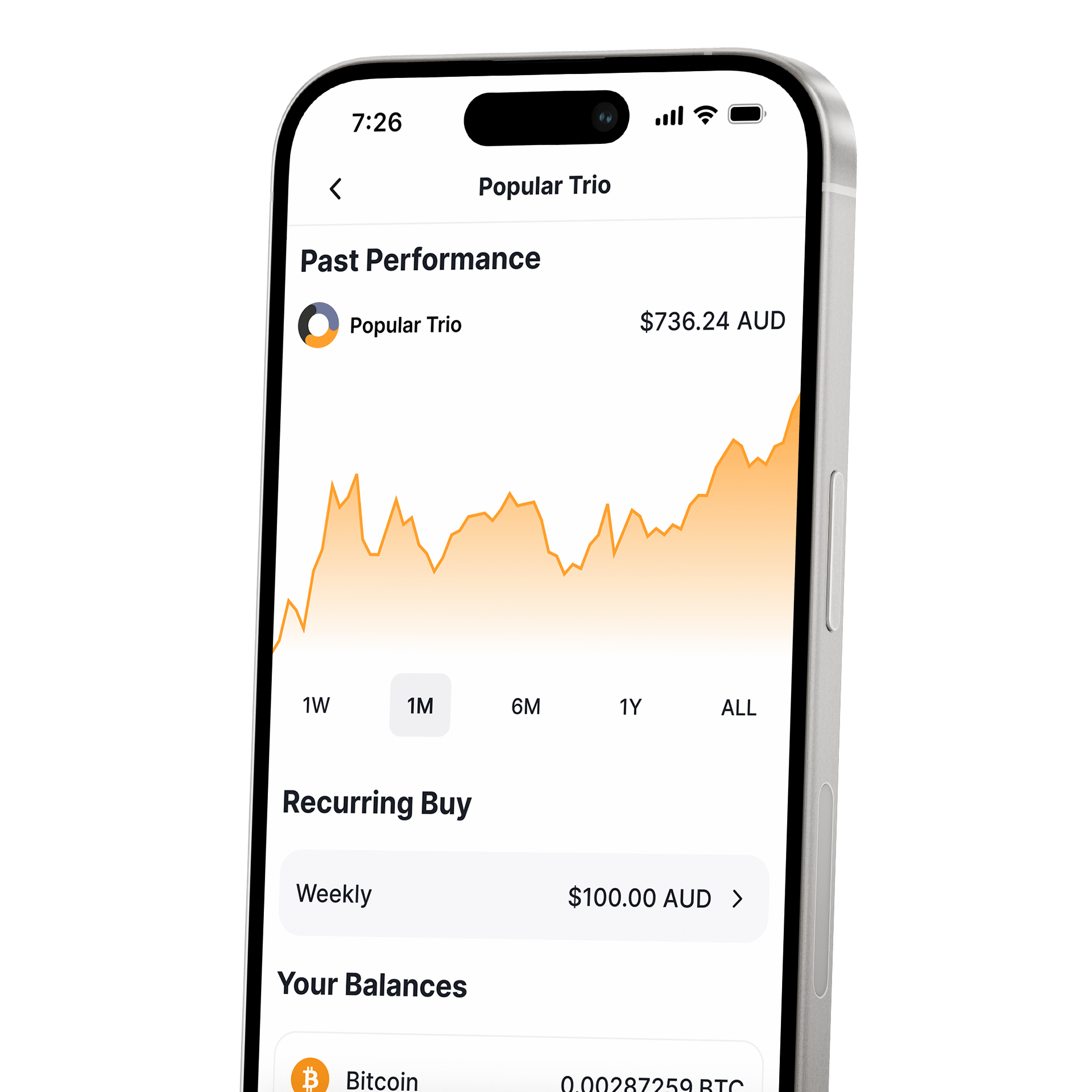
CoinJar Bundles
Pick your Bundle in the CoinJar app. Review each Bundle’s asset allocation, add to your holdings and rebalance when required. Sell your Bundle or unbundle it to manage the assets individually.
Learn moreCoinJar Bundles
Pick your Bundle in the CoinJar app. Review each Bundle’s asset allocation, add to your holdings and rebalance when required. Sell your Bundle or unbundle it to manage the assets individually.
Learn more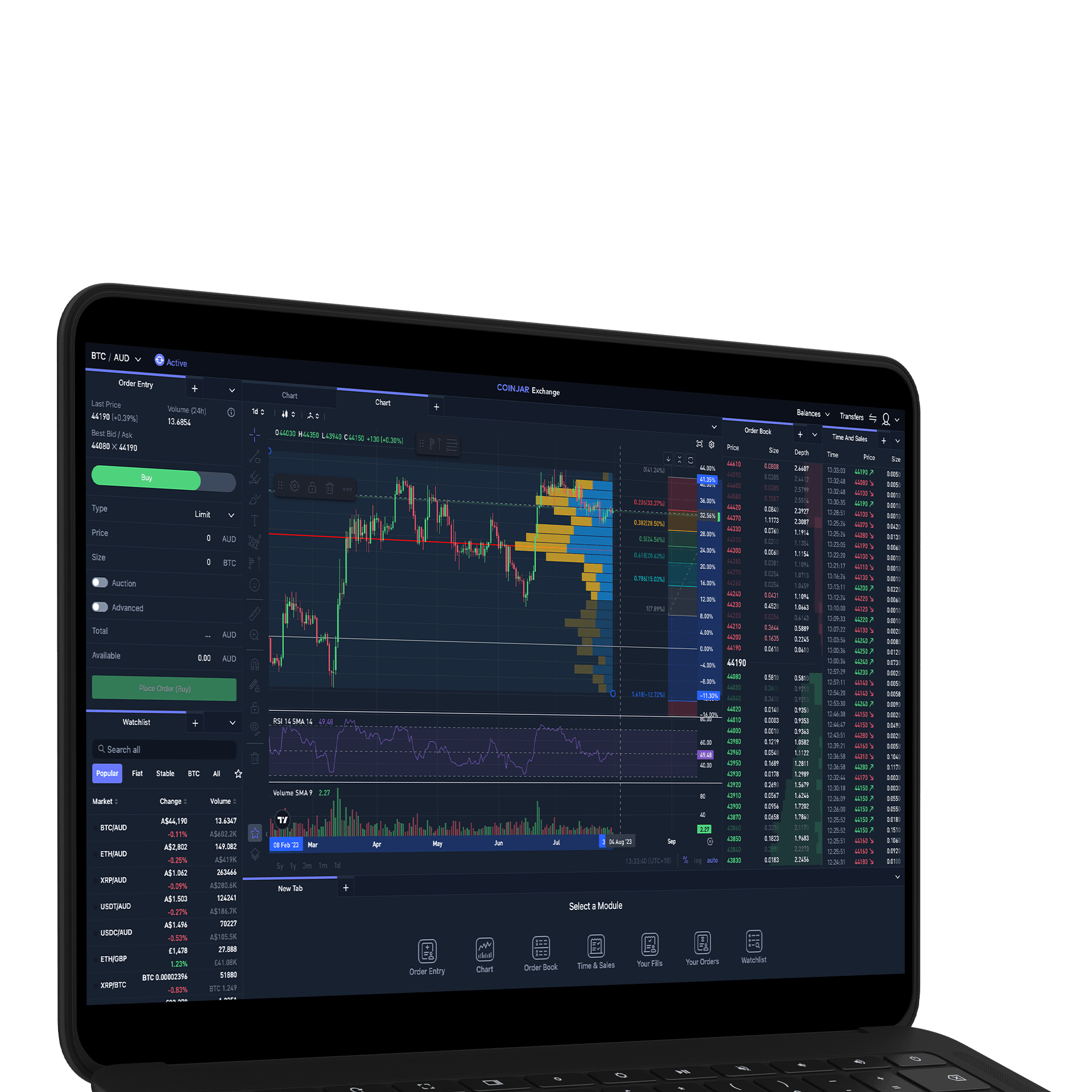
CoinJar Exchange
Trade with fees from 0-0.1%, using market, limit and stop-limit orders. Connect to TradingView to trade directly from your charts, or use CoinJar Exchange’s high-performance interface, built for active traders, market makers and institutions.
Explore CoinJar ExchangeCoinJar Exchange
Trade with fees from 0-0.1%, using market, limit and stop-limit orders. Connect to TradingView to trade directly from your charts, or use CoinJar Exchange’s high-performance interface, built for active traders, market makers and institutions.
Explore CoinJar Exchange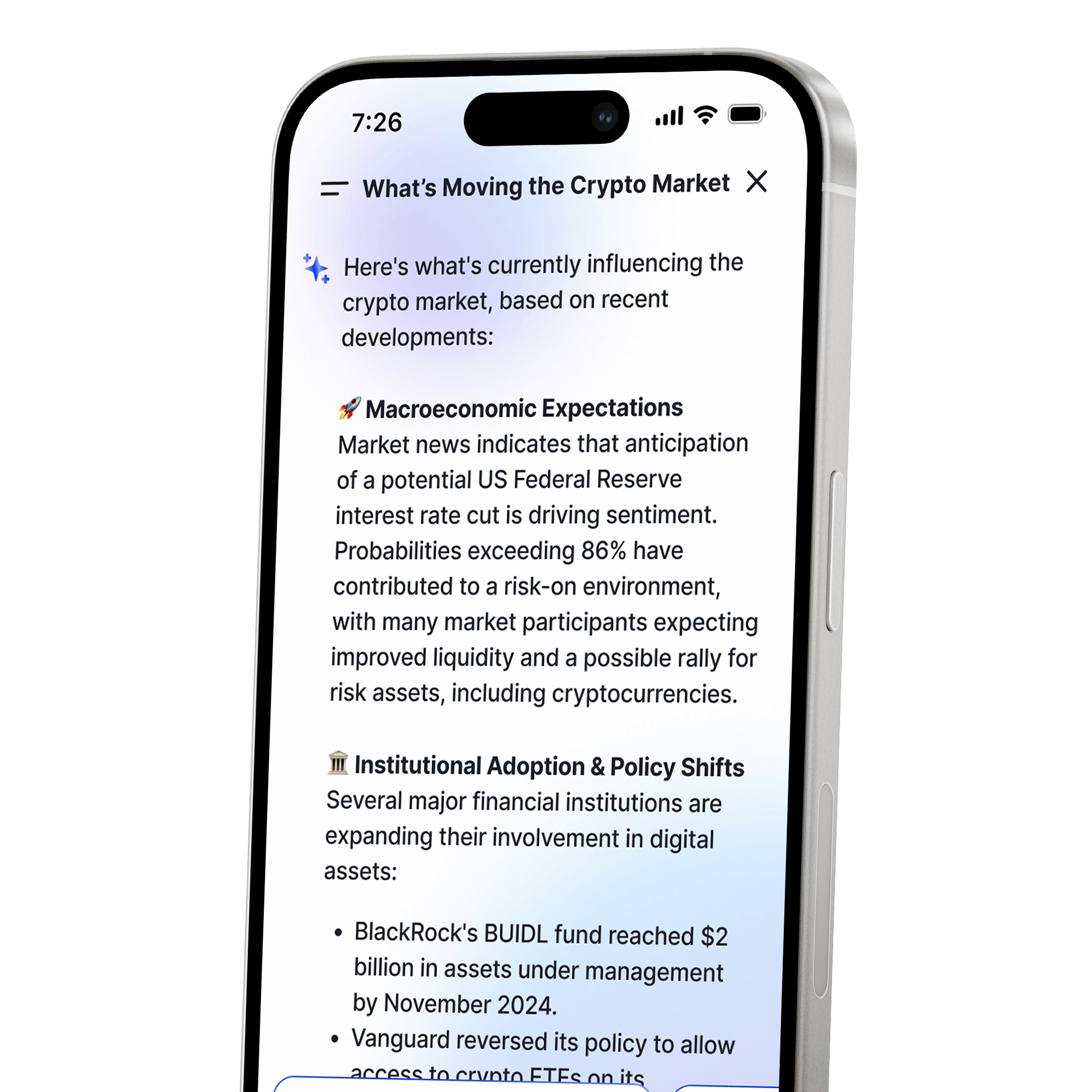
CoinJar AI
Access information about your holdings and the wider cryptocurrency market through CoinJar AI. Ask questions about portfolio changes, market developments or individual cryptocurrencies, with responses informed by your CoinJar holdings.
Learn moreCoinJar AI
Access information about your holdings and the wider cryptocurrency market through CoinJar AI. Ask questions about portfolio changes, market developments or individual cryptocurrencies, with responses informed by your CoinJar holdings.
Learn more
CoinJar OTC
For cryptocurrency trades above $50,000, CoinJar’s OTC desk provides personalised service and access to globally sourced liquidity. Work directly with a dedicated team to arrange and execute your purchase or sale. Discover OTC Services
Learn moreCoinJar OTC
For cryptocurrency trades above $50,000, CoinJar’s OTC desk provides personalised service and access to globally sourced liquidity. Work directly with a dedicated team to arrange and execute your purchase or sale. Discover OTC Services
Learn moreCoinJar does not endorse the content of, and cannot guarantee or verify the safety of any third-party websites. Visit these websites at your own risk.

CoinJar
Get the app.