
Buy Lighter
LITPast performance is not indicative of future results. All prices are sourced from CoinJar Indices.
What is Lighter?
Lighter is a decentralized exchange focused mainly on perpetual futures, contracts that let traders take leveraged positions on an asset's price with no expiry date. It runs on its own application-specific zero-knowledge (ZK) rollup, a layer 2 network that settles on Ethereum. Lighter generates cryptographic proofs for its order matching and liquidations and posts them to Ethereum, so the exchange's results can be checked rather than taken on trust.
LIT is Lighter's token. It launched in December 2025 as an ERC-20 token on Ethereum and was issued directly by the US company behind Lighter rather than by a separate foundation, according to CoinDesk's launch coverage. Lighter's terms of service name that company as Elliot Technologies, Inc. Lighter was founded in 2022 by Vladimir Novakovski, who began his career at hedge fund Citadel and spent almost 15 years as an engineer and trader before founding Lighter, and has raised venture funding from investors including Founders Fund, Ribbit Capital and Haun Ventures, as Fortune reported.
Do you need LIT to use Lighter?
No. Trading on Lighter is margined mainly in USDC, with a small number of other assets accepted through multi-asset margin, and standard accounts pay no maker or taker fees, so you can use the exchange without ever holding LIT. The token matters mainly to heavier users. According to Lighter's documentation, staking LIT:
- gives access to the Lighter Liquidity Provider (LLP) pool, which is reserved for LIT stakers
- earns staking rewards, which Lighter pays in LIT
Lighter's fees page also says staking LIT discounts trading fees on Premium accounts, an opt-in account type. Unstaking is subject to a three-day lockup before tokens are released. For background on how this works in general, see our guide to staking.
What does holding LIT entitle you to?
Holding LIT does not give you shares in Elliot Technologies, a dividend or a legal claim on Lighter's revenue. Lighter's documentation does not describe governance rights for LIT holders, and the main decisions about the token, including how buybacks and staking rewards work, have so far been made and announced by the company.
Lighter uses trading fee revenue to buy LIT on the open market. In 2026 it changed how those repurchased tokens are handled: instead of holding them in its treasury, it said it would burn them, permanently removing them from supply, and fund staking rewards from its ecosystem token reserve, as The Defiant reported. This ties the token to exchange activity, but it is a company policy that has already changed once and could change again. It is not a contractual right of holders.
Who controls Lighter?
Lighter is a company-run exchange. The company operates the sequencer and matching engine that order and execute trades, and it controls upgrades to the rollup's smart contracts. L2BEAT, which tracks Ethereum layer 2 networks, rates Lighter as Stage 0, its earliest category of decentralization. L2BEAT notes that regular upgrades are subject to a delay, but a security council can cut that delay to zero in an emergency, so users have no guaranteed window to exit before an unwanted upgrade. Guardian roles can also pause batch processing and withdrawals for limited periods.
The main safeguard is an escape hatch, explained in the FAQs below. In 2026, L2BEAT said it had independently regenerated all of Lighter's ZK circuits from source code, so users can check that the escape hatch works without relying on the Lighter team, as ETH Daily reported.
Track record
Lighter has grown quickly, but its short history includes real stress points:
- Outage during the October 2025 crash. On 10 October 2025, during one of the largest liquidation events in crypto history, Lighter was down for about four and a half hours, which L2BEAT attributes to database growth issues. Traders could not manage their positions during that window. Lighter said it would compensate affected traders with a mix of stablecoins and points, and later distributed points to affected users.
- Withdrawal problems at token launch, December 2025. LIT went live on 30 December 2025, and some users reported they could not withdraw funds on the same day.
- Tokenomics change, 2026. Lighter moved from holding repurchased LIT to burning it and drew on its ecosystem reserve to fund staking rewards, as The Defiant reported. The change was announced by the company rather than decided by a holder vote.
- US license plans, 2026. Lighter has said it plans to apply for a derivatives license from the US Commodity Futures Trading Commission, as Crypto Briefing reported. Treat this as an intention. A filing does not mean approval, and regulatory processes can take a long time.
Risks to understand
- Upgrade and pause powers. Lighter's contracts can be upgraded without a guaranteed exit window, and guardian roles can temporarily halt withdrawals. A bug or a harmful upgrade could put funds on the exchange at risk.
- Centralized operation. A single operator orders trades. L2BEAT notes the operator could in theory exploit that position to front-run users, and the October 2025 outage showed how much depends on the company's infrastructure.
- Value capture is a policy, not a right. Buybacks and burns depend on exchange revenue and company decisions. If trading volume falls or the policy changes, the support they give LIT changes with it.
- Token unlocks. Team and investor allocations were locked for one year from launch and then vest over three years, so these tokens begin entering circulation from late December 2026, according to CoinDesk.
- Competition. Lighter competes with many other perpetual futures exchanges, both centralized and decentralized. Standard accounts pay no fees, so revenue depends on fee-paying account types, integrations and overall trading volume holding up.
- Regulatory uncertainty. Lighter's terms exclude users in several countries, including the United States and the United Kingdom, and leveraged derivatives draw close regulatory attention. Rule changes could affect where and how Lighter operates.
- No government protection. LIT is not a bank deposit. It is not FDIC insured and not SIPC protected.
Send LIT on the right network
LIT is an ERC-20 token on Ethereum. Inside the Lighter exchange, balances sit on Lighter's own layer 2 network, which is a separate environment from Ethereum mainnet. Only send LIT to CoinJar on the network CoinJar specifies for your deposit or withdrawal, and be wary of fake LIT tokens and unsolicited airdrop claims. Our guides to transferring crypto on the wrong network and avoiding airdrop scams explain what to check.
Buying LIT on CoinJar
CoinJar has operated since 2013 and lists LIT against US dollars, so you can buy, sell and hold it without converting through another cryptocurrency first. Current charges are on our fees page, and live US dollar rates are on our cryptocurrency prices page. Before you buy, check whether CoinJar operates in your state.
Bank transfer (ACH and wire), or crypto?
Buy Lighter instantly with your bank account via ACH or deposit with wire transfer. Easily buy with ACH, wire cash to your account, or swap one cryptocurrency for another in a single click.


How to buy Lighter with CoinJar
Start your cryptocurrency portfolio with CoinJar by following these simple steps.
Download the app
Get the CoinJar app on iOS or Android.
Create an account
Sign up and verify your ID – it only takes a couple of minutes.
Make a purchase
Buy Lighter and more than 60 other cryptos using ACH or wire transfer.
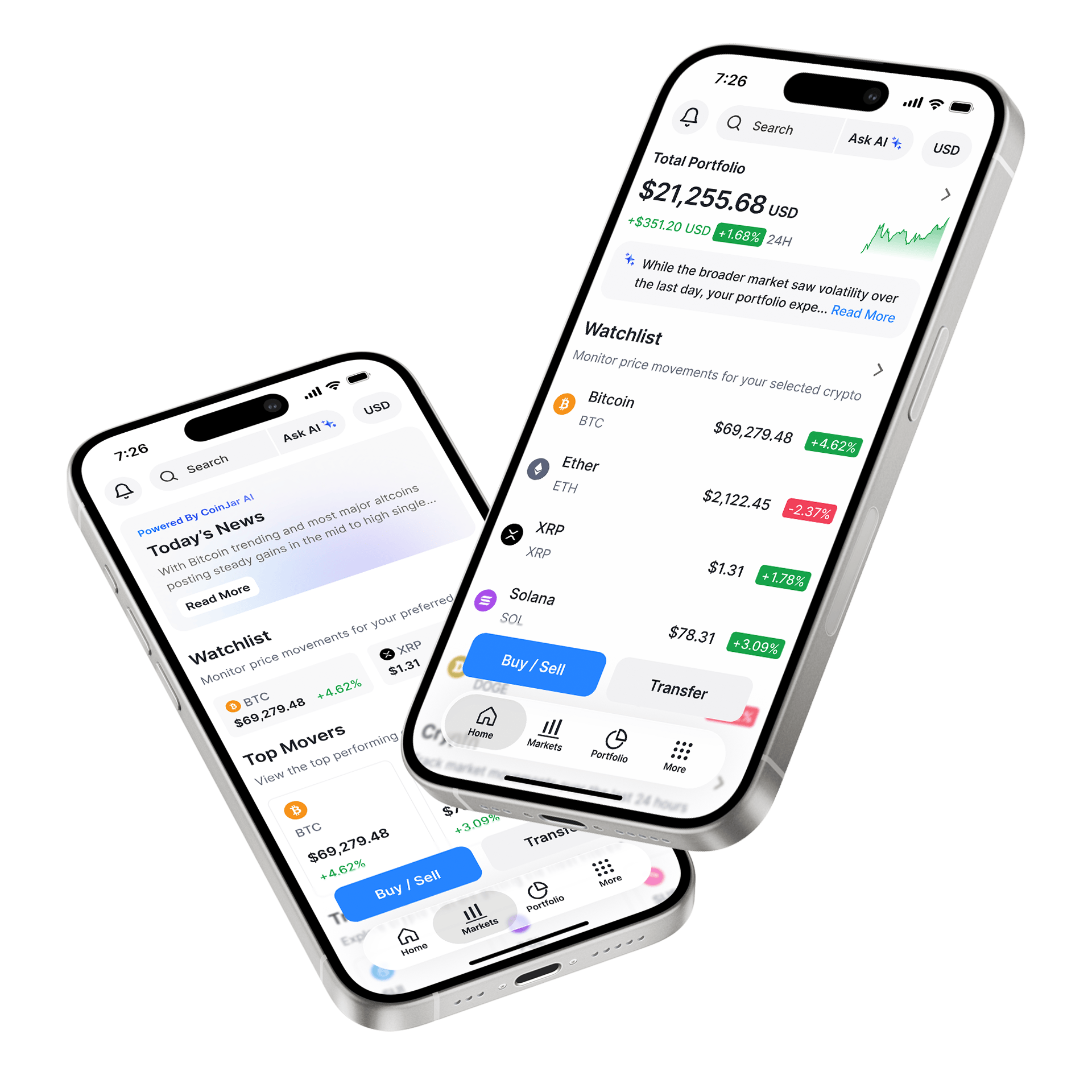
CoinJar App
Buy, sell and send your crypto with the favorite cryptocurrency app in the US.
Get the CoinJar appCoinJar App
Buy, sell and send your crypto with the favorite cryptocurrency app in the US.
Get the CoinJar app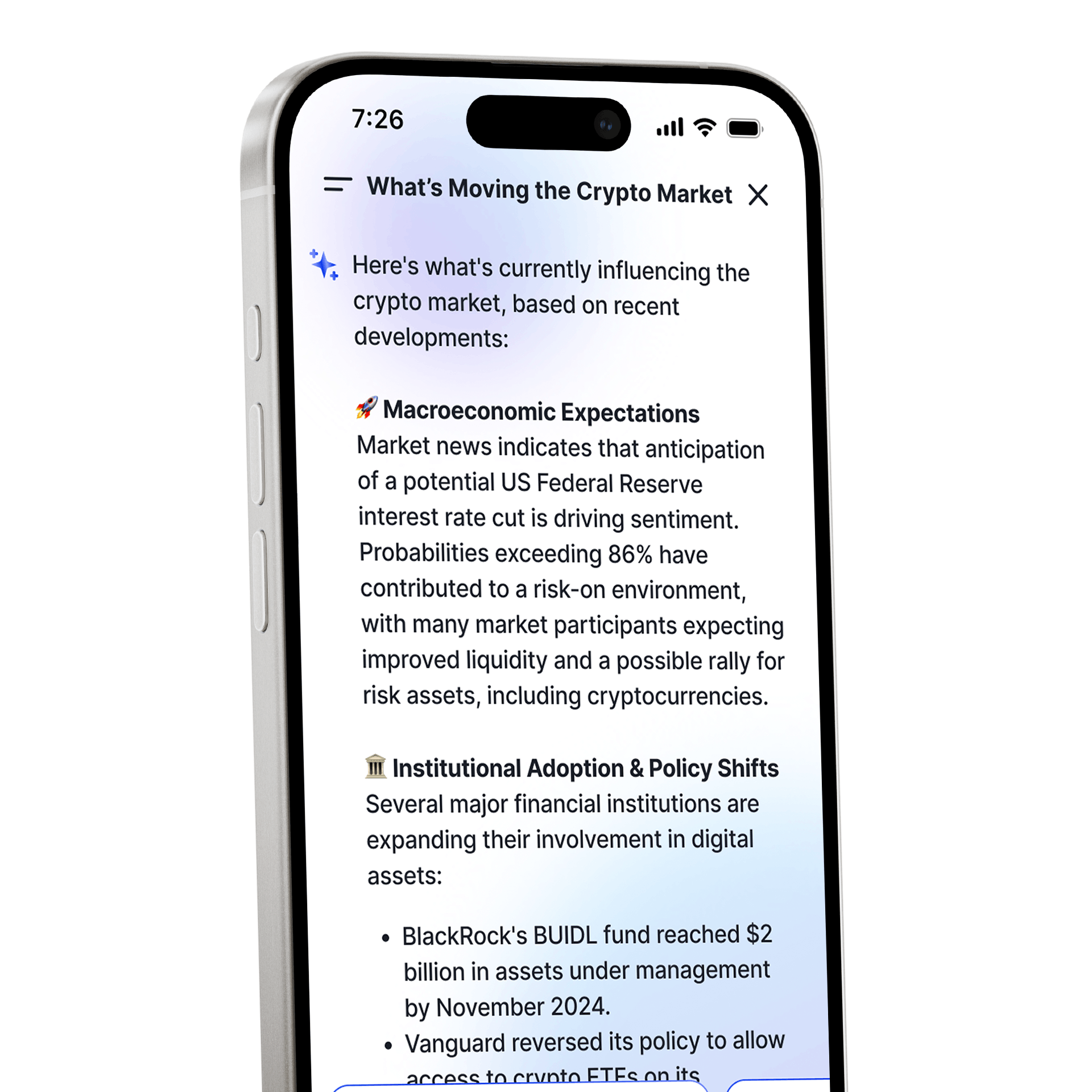
CoinJar AI
CoinJar AI understands your portfolio, tracks the market, and gives you insights that matter. Instead of searching for answers, simply ask a question to get the specific information you need.
Learn moreCoinJar AI
CoinJar AI understands your portfolio, tracks the market, and gives you insights that matter. Instead of searching for answers, simply ask a question to get the specific information you need.
Learn moreFrequently Asked Questions
Buying, selling, and holding cryptocurrencies is subject to high market risk. The volatile and unpredictable nature of the price of cryptocurrencies may result in a significant loss. CoinJar, inc. is not responsible for any loss that you may incur from price fluctuations when you buy, sell, or hold cryptocurrencies. CoinJar, Inc. does not provide any investment, tax or legal advice; before making the decision to buy, sell or hold any cryptocurrencies, you should conduct your own due diligence and consult your financial, tax and/or legal advisor.
It is your responsibility to determine whether any investment, investment strategy or related transaction is appropriate for you according to your personal investment objectives, financial circumstances, and risk tolerance. Enter into a transaction only if you fully understand its nature, the contractual relationship into which you are entering, all relevant terms and conditions, and the nature and extent of your exposure to loss. Past performance is not a reliable indicator of future results. Geographic restrictions may apply. CoinJar does not endorse the content of, and cannot guarantee or verify the safety of any third party websites. Visit these websites at your own risk.

CoinJar
Get the app.