
Buy XRP
XRPPast performance is not indicative of future results. All prices are sourced from CoinJar Indices.
What is XRP?
XRP is the native cryptocurrency of the XRP Ledger, a public blockchain designed for fast, low-cost payments. Transactions usually settle in three to five seconds and cost a fraction of a cent. This makes XRP best known as a settlement and cross-border payments asset rather than a store of value.
XRP is also a volatile crypto asset. Its price can move sharply, and you could lose some or all of the money you invest. Before buying XRP in the US, it helps to understand how the network works, how the supply is distributed and which consumer protections do not apply.
XRP, the XRP Ledger and Ripple: what is the difference?
XRP, the XRP Ledger and Ripple are related, but they are not the same thing.
- XRP is the digital asset. It pays transaction costs on the network and can act as a bridge between two currencies or assets.
- The XRP Ledger, often shortened to XRPL, is the open-source blockchain on which XRP operates. David Schwartz, Jed McCaleb and Arthur Britto developed it, and the network launched in 2012.
- Ripple is a private technology company that develops payment and digital asset infrastructure using XRP and XRPL. It holds a significant amount of XRP and contributes to the ledger's code, but it does not own the network.
Older articles and some website addresses still call XRP "Ripple." The cryptocurrency itself is XRP.
How does the XRP Ledger work?
The XRP Ledger does not use mining or staking to confirm transactions. Instead, independent validator servers use the XRP Ledger Consensus Protocol to agree on the order and outcome of transactions. New ledger versions typically close every few seconds.
Transaction costs are paid in very small fractions of XRP and permanently destroyed rather than awarded to validators. This mechanism helps deter spam and gradually reduces the total XRP supply. XRPL also includes a decentralized exchange and an automated market maker, allowing supported tokens to trade directly on the ledger.
XRP at a glance
- Ticker: XRP
- Network launched: 2012
- Maximum supply: 100 billion XRP, all created at launch
- New supply: no additional XRP can be created
- Typical settlement time: three to five seconds
- Transaction cost: a small amount of XRP that is permanently destroyed
- Consensus: validator agreement, with no mining or staking
- Account reserve: new addresses must hold a base reserve set by validator vote
Where does XRP's supply come from?
All 100 billion XRP were created when the ledger launched. There is no mining schedule and no mechanism for issuing more. The founders allocated 80 billion XRP to Ripple to support development and adoption, while retaining the remaining 20 billion.
Ripple later placed 55 billion XRP into on-ledger escrow contracts. These contracts release up to one billion XRP each month, but Ripple generally returns most unused XRP to new escrows. The release schedule and transactions can be inspected publicly on the ledger.
Roughly six in every ten XRP are now counted as circulating, although estimates vary and the figure changes over time. The fixed supply is transparent, but Ripple's large holding remains an important concentration risk for buyers.
What is XRP used for?
- Cross-border settlement. XRP can act as a bridge asset when value moves between currencies.
- Payments and remittances. Fast settlement and low network costs can suit transfers where fees would otherwise represent a large share of the payment.
- Trading on the XRPL decentralized exchange. The ledger has supported an order book since launch and also includes an automated market maker.
- Supporting other assets on XRPL. Stablecoins and tokenized assets can be issued on the ledger, including Ripple's US dollar-pegged token. Our guide to RLUSD explains how it relates to XRP.
- Paying network costs. Every XRPL transaction requires a small amount of XRP, including transactions involving other tokens.
The official XRP Ledger documentation explains XRP's technical role and network features in more detail.
Do I need a destination tag to send XRP?
A destination tag is usually required when sending XRP to an exchange. Exchanges often use a shared XRP address for multiple customers, so the numeric tag tells the platform which account should receive the deposit. It works like a payment reference.
CoinJar requires the correct destination tag for XRP deposits. Some wallets display CoinJar's receiving address and tag together, while others ask you to enter them in separate fields. Leaving out the tag or entering the wrong one may delay the deposit or prevent it from being credited automatically.
When sending XRP from CoinJar, enter the destination tag supplied by the receiving platform. If a self-custody address does not use one, confirm that before selecting the no-tag option.
New XRP Ledger addresses must also hold a base reserve before they become active. The reserve is set by validator vote and can change, so check the amount shown by the receiving wallet before funding a new address. CoinJar supports XRP on its native XRP Ledger. Before transferring, check our list of supported cryptocurrencies and networks and read what can happen if you send crypto using the wrong network or transfer details.
What happened in the SEC case against Ripple?
The US Securities and Exchange Commission sued Ripple over its sales of XRP. In 2023, a federal court emphasized that XRP itself was not automatically an investment contract. It found that Ripple's programmatic XRP sales through public exchanges were not securities offerings, while certain direct sales to institutional buyers were unregistered securities offerings.
The court later imposed a civil penalty of approximately $125 million and an injunction relating to institutional sales. Both parties dismissed their appeals in 2025, leaving the final judgment in place and ending the case. The SEC's litigation release records the conclusion.
The outcome supports secondary-market XRP trading in the US, but it is not a blanket finding that every transaction, investment product or fundraising arrangement involving XRP falls outside securities law. The legal analysis can depend on how an asset is offered and the facts of the transaction.
What are the risks of buying XRP?
- Volatility. XRP is a high-risk crypto asset, and large price movements can happen over short periods.
- Supply concentration. Ripple controls a significant share of the supply, much of it held in escrow. Sales from those holdings may affect the market.
- Adoption risk. Demand partly depends on whether financial institutions and payment providers choose XRP rather than stablecoins, bank-led networks or other settlement systems.
- Governance concerns. Each server operator chooses which validators to trust. Critics argue that widely used default validator lists create a point of influence, even though independent operators can change their lists.
- Transfer risk. An incorrect address or destination tag can delay a transfer or result in the permanent loss of funds. Blockchain transactions cannot normally be reversed.
- Custody risk. Keeping XRP with a platform exposes you to that provider, while self-custody makes you responsible for securing and recovering your private keys.
- Limited consumer protection. XRP is not a bank deposit and is not insured by the Federal Deposit Insurance Corporation. It is also not protected by the Securities Investor Protection Corporation against market losses or the failure of a crypto platform.
If you plan to hold XRP, our guide on how to store cryptocurrency compares platform custody with self-custody.
How is XRP regulated in the US?
Buying, holding and selling XRP is legal in the US where a platform makes it available. XRP is not legal tender, and its regulatory treatment can depend on the transaction, service and state involved.
CoinJar, Inc. is registered as a Money Services Business with the Financial Crimes Enforcement Network and is licensed as a money transmitter in a growing number of states, NMLS ID 2492913. These registrations and licenses relate to requirements such as anti-money laundering controls and money transmission. They do not mean that FinCEN or a state regulator has approved XRP, guaranteed its value or insured customer crypto holdings.
Crypto rules and service availability can differ between states and continue to develop. Check whether CoinJar is available in your state and consider the laws that apply to your circumstances.
How is XRP taxed in the US?
The IRS generally treats XRP and other digital assets as property. A taxable disposal can occur when you sell XRP for US dollars, exchange it for another cryptocurrency or use it to pay for goods or services. Buying and holding XRP, or transferring it between wallets you own, is not generally a taxable disposal.
The IRS provides current requirements on its digital assets page. This is general information, not tax advice. Consider speaking with a qualified tax professional about your circumstances.
Why XRP matters
XRP was designed for a specific purpose: moving value between assets quickly and at a low network cost. The XRP Ledger has operated since 2012, settles transactions within seconds and has a fixed supply that can be tracked publicly.
Its potential depends on real-world adoption, while its risks include price volatility, Ripple's concentrated holdings, competition and limited consumer protection. Assess both sides before deciding whether XRP belongs in your portfolio.
Bank transfer (ACH and wire), or crypto?
Buy XRP instantly with your bank account via ACH or deposit with wire transfer. Easily buy with ACH, wire cash to your account, or swap one cryptocurrency for another in a single click.


How to buy XRP with CoinJar
Start your cryptocurrency portfolio with CoinJar by following these simple steps.
Download the app
Get the CoinJar app on iOS or Android.
Create an account
Sign up and verify your ID – it only takes a couple of minutes.
Make a purchase
Buy XRP and more than 60 other cryptos using ACH or wire transfer.
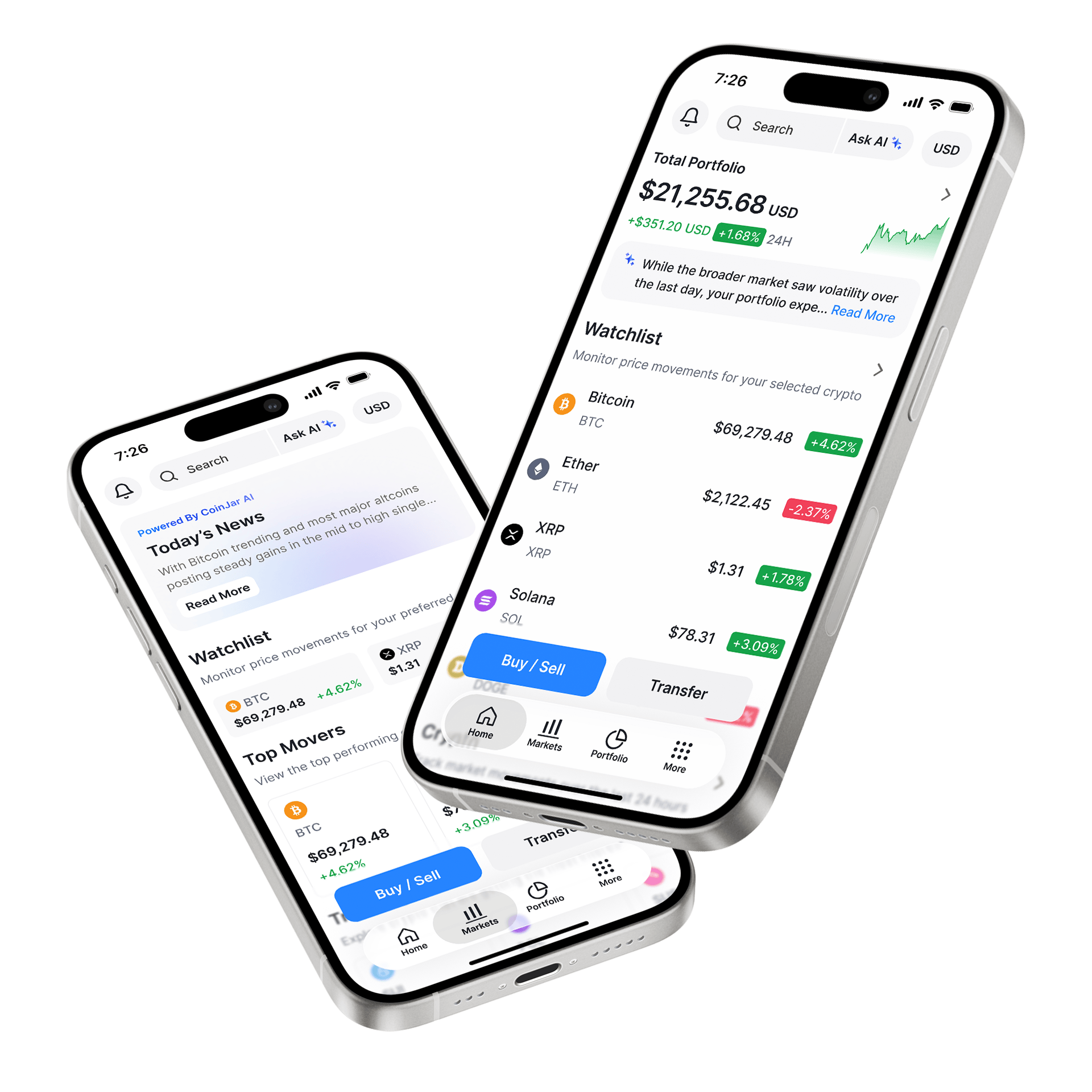
CoinJar App
Buy, sell and send your crypto with the favorite cryptocurrency app in the US.
Get the CoinJar appCoinJar App
Buy, sell and send your crypto with the favorite cryptocurrency app in the US.
Get the CoinJar app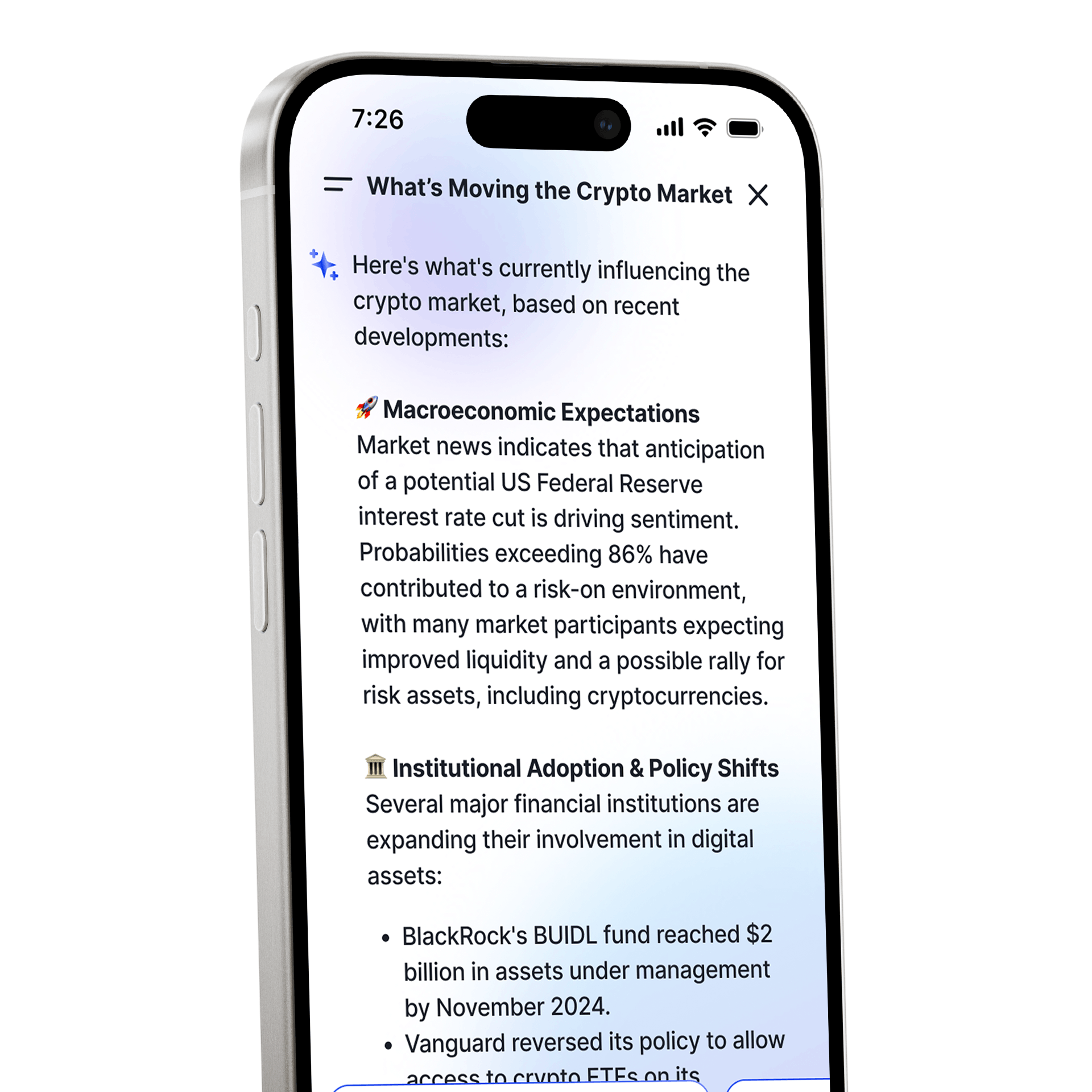
CoinJar AI
CoinJar AI understands your portfolio, tracks the market, and gives you insights that matter. Instead of searching for answers, simply ask a question to get the specific information you need.
Learn moreCoinJar AI
CoinJar AI understands your portfolio, tracks the market, and gives you insights that matter. Instead of searching for answers, simply ask a question to get the specific information you need.
Learn moreBuying, selling, and holding cryptocurrencies is subject to high market risk. The volatile and unpredictable nature of the price of cryptocurrencies may result in a significant loss. CoinJar, inc. is not responsible for any loss that you may incur from price fluctuations when you buy, sell, or hold cryptocurrencies. CoinJar, Inc. does not provide any investment, tax or legal advice; before making the decision to buy, sell or hold any cryptocurrencies, you should conduct your own due diligence and consult your financial, tax and/or legal advisor.
It is your responsibility to determine whether any investment, investment strategy or related transaction is appropriate for you according to your personal investment objectives, financial circumstances, and risk tolerance. Enter into a transaction only if you fully understand its nature, the contractual relationship into which you are entering, all relevant terms and conditions, and the nature and extent of your exposure to loss. Past performance is not a reliable indicator of future results. Geographic restrictions may apply. CoinJar does not endorse the content of, and cannot guarantee or verify the safety of any third party websites. Visit these websites at your own risk.

CoinJar
Get the app.