Key Takeaways
- See how fraudsters use fake emergencies and intimidation to push people into depositing cash at crypto ATMs.
- Learn the key warning signs that show you are dealing with a scammer, not a real bank, company, or agency.
- Use the simple Stop, Check, and Protect framework to keep your money safe from irreversible crypto transactions.
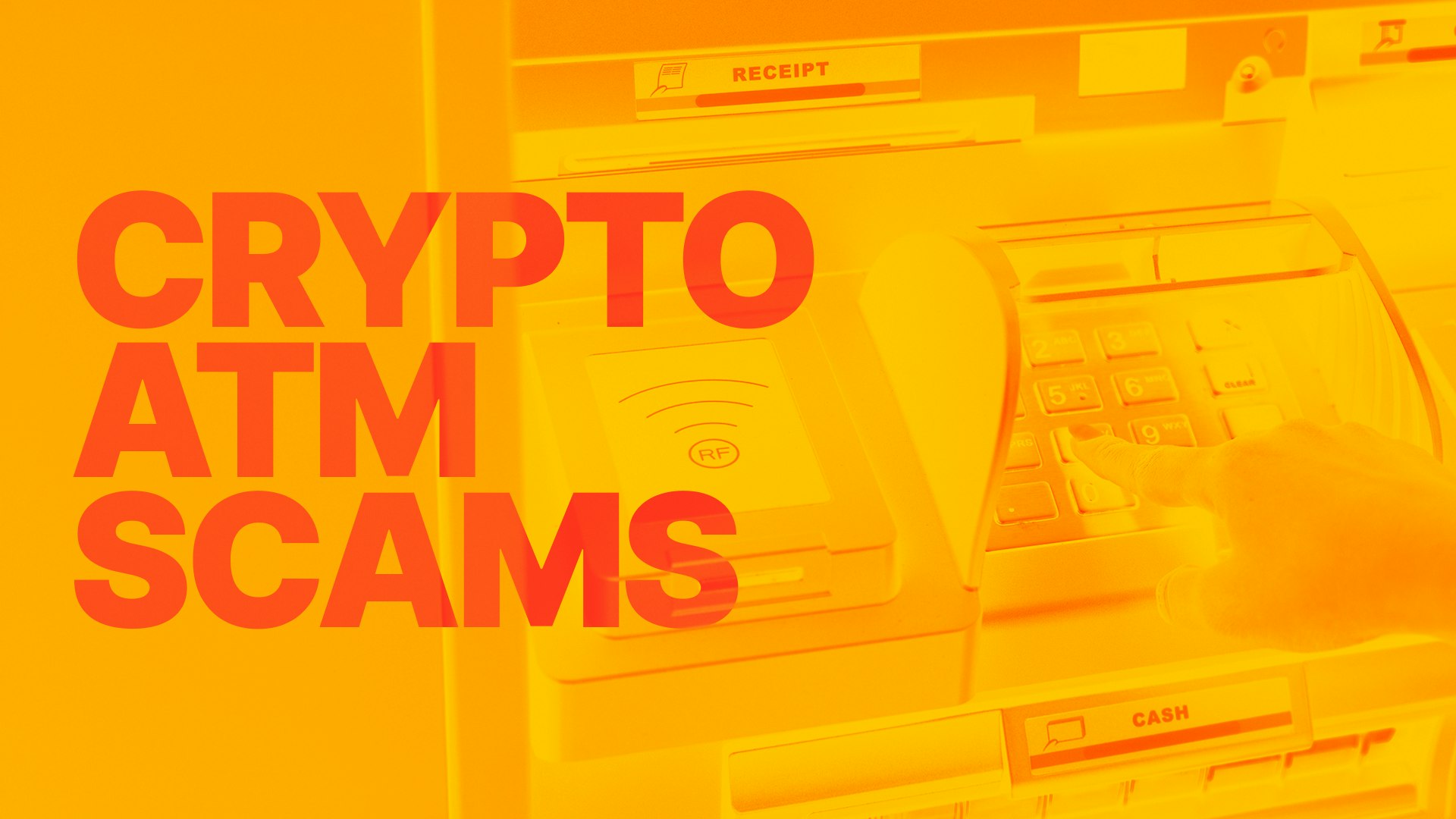
Cryptocurrency ATMs are popping up across the United States, from gas stations to grocery stores. At the same time, scammers are using them more often to steal from unsuspecting people and the numbers are staggering.
According to the FBI, crypto ATM scam losses reached $389 million in 2025, a 58% increase from 2024. That followed a year where losses had already more than doubled from the year before. This is not a fringe problem. It is one of the fastest-growing forms of financial fraud in the country.
Imagine your phone rings and the caller ID shows your bank's name. The person sounds professional, even kind, but also urgent. They say your account is compromised and your savings are at serious risk right now. To "secure" your money, they tell you to withdraw your cash, drive to a nearby cryptocurrency ATM, and deposit the money into a "safe" wallet they set up for you.
This is not just a story. It is a fast-growing scam happening across the U.S. As more than 45,000 crypto ATMs spread into everyday locations, criminals are using them to get around normal banking protections and move your money out of reach in minutes.
How it works in practice
Scammers are skilled at manipulating emotions. They often target older adults and people under financial stress. But anyone can get caught in the moment. The scam usually starts with an unexpected call, email, text, or social media message. The criminal might push a "sure thing" investment, offer a fake work-from-home job, or claim you owe money on taxes, utilities, or medical bills.
Very quickly, they try to move the conversation to an encrypted messaging app. That makes it harder for law enforcement or banks to trace the interaction. Once they have you worried or scared, they tell you to withdraw cash from your bank or credit union.
The scammer then stays on the phone and guides you, step by step, to a nearby crypto ATM. They may send you a QR code or a wallet address and tell you to scan it at the machine. When you feed cash into the ATM, it turns your dollars into cryptocurrency, often Bitcoin, and sends it straight to the scammer's wallet.
Crypto transactions usually cannot be canceled or reversed. Once the machine processes the transfer, your money is almost always gone for good.
Who is most at risk?
Older Americans are disproportionately targeted. According to the FTC, consumers over the age of 60 are more than three times as likely as younger adults to report losing money to Bitcoin ATM scams, with a median reported loss of $10,000. The FBI's 2025 Internet Crime Report found that Americans aged 60 and older lost $4.4 billion across all crypto fraud categories, nearly double the losses reported by victims in their 50s.
If you have older relatives or friends who may be less familiar with cryptocurrency, share this article with them. Awareness is one of the strongest defenses we have.
The Stop, Check, and Protect framework
Fraudsters rely on panic and pressure. If they can stop you from thinking clearly, they win. A simple three-step approach can help you slow things down and protect your money.
Stop: Pause before you use a crypto ATM
Scammers need you to act fast. They want you to feel like every second you wait puts you in more danger. To do that, they use threats, tight deadlines, and heavy emotional pressure.
Stop right away if any of the following happen:
- Someone is on the phone with you while you stand at a crypto ATM, giving you step-by-step instructions.
- You are told your bank account is "compromised" and you must move your money into crypto to keep it safe.
- You are being threatened with arrest, lawsuits, immigration problems, or huge fines if you do not pay immediately.
- The caller or sender tells you to pay a bill, fee, or debt using a QR code or wallet address they provided.
If any of this sounds familiar, pause. Put the phone down or walk away from the machine for a moment. That short break can keep you from losing thousands of dollars.
Check: Verify the story before acting
Scammers often pretend to be from trusted organizations. They may claim to be your bank, the IRS, Social Security, the local power company, a tech support line, or even law enforcement. They can fake caller ID so the number on your screen looks real.
Before you withdraw cash or send any money, you must verify the request on your own.
Here is how to check safely:
- Hang up. Then call the company or agency back using the official phone number on its website, your bank card, or a recent statement.
- Do not click links in texts, emails, or social media messages that ask you to "confirm" or "secure" your account. Go to the website directly by typing the address into your browser.
- Talk to someone you trust. Explain what is happening to a friend, family member, or coworker. A second pair of eyes can spot red flags you might miss under pressure.
- Keep this rule in mind: No real bank, U.S. government agency, or major utility provider will ever tell you to deposit money into a cryptocurrency ATM to protect your account or pay a bill.
If the person on the phone tells you not to talk to anyone else, that alone is a strong sign it is a scam.
Protect: Act fast if something feels wrong
Once cash becomes cryptocurrency and leaves your control, it is extremely hard to get back. There is no "chargeback" like with a credit card. That is why quick action matters so much.
If you think you are in the middle of a scam, or you just sent money and feel uneasy, do the following:
- Contact your bank or credit union immediately, especially if you just made a large withdrawal or shared account details. They may be able to flag suspicious activity or protect the rest of your funds.
- Report the scam to local law enforcement and your state or local consumer protection agency. In the U.S., you can also report to the Federal Trade Commission at ReportFraud.ftc.gov and to the FBI at IC3.gov.
- Change passwords and strengthen authentication on any accounts you mentioned or used while speaking to the scammer. This includes email, banking apps, and social media.
- If you shared sensitive identity documents, such as a driver's license, Social Security number, or passport, contact an identity protection service or credit bureau to discuss fraud alerts or credit freezes.
- Pay attention to your mental health. The emotional impact of financial fraud can be heavy. Reach out to trusted friends, family, support hotlines, or a mental health professional if you feel overwhelmed, embarrassed, or anxious.
You are not alone. Many smart people fall for these schemes. Speaking up helps you and also helps prevent the same thing from happening to someone else.
The bigger picture
The scale of this problem is growing fast. The FBI reported $333.5 million in crypto ATM scam losses in the first eleven months of 2025 alone, up from $250 million for all of 2024. A bureau spokesperson described it as a "clear and constant rise" that is "not slowing down."
Regulators are starting to respond. Several states have introduced new rules: West Virginia now requires crypto kiosk operators to hold money transmission licenses, Minnesota is weighing an outright ban, and Connecticut suspended one major operator's license after regulators found it overcharged users and failed to refund fraud victims. But regulation takes time, and in the meantime, education remains your best protection.
For criminals, these machines provide a fast and often anonymous way to move stolen money across cities, states, and borders in minutes. Once your cash enters the crypto system and lands in a scammer's wallet, it can be split, moved, and mixed almost instantly.
Remember this simple rule: A legitimate bank, government agency, or well-known company will never demand that you use a crypto ATM to pay a bill, clear a debt, or "secure" your money. If someone tells you otherwise, stop, check, and protect yourself.
Taking a minute to slow down, ask questions, and verify the story can be the difference between a short inconvenience and a major financial loss.

Lukas Jackson
Lukas Jackson is a leading expert in compliance with over 5 years of experience in crypto, AML/CTF regulations and scams prevention. Actively involved in initiatives focused on scam prevention and public education, Lukas has a passion for protecting individuals from online threats. With a focus on raising awareness and developing strategies to combat scams, Lukas is committed to driving efforts that help people recognise and avoid scams.
Read full bio